Oil prices close at 1-month low as US pauses tariffs on Mexico
Oil prices edged up in volatile trade on Monday but closed at a one-month low on the expiration of a higher-priced contract, as the market digested U.S. President Donald Trump's planned imposition of tariffs on Canada, Mexico and China.
Concerns over imports from two of the main crude suppliers to the U.S. boosted prices by over $1 a barrel earlier in the session before Trump paused the new tariffs on Mexico for one month as Mexico agreed to reinforce its northern border to stem the flow of illegal drugs, particularly fentanyl.
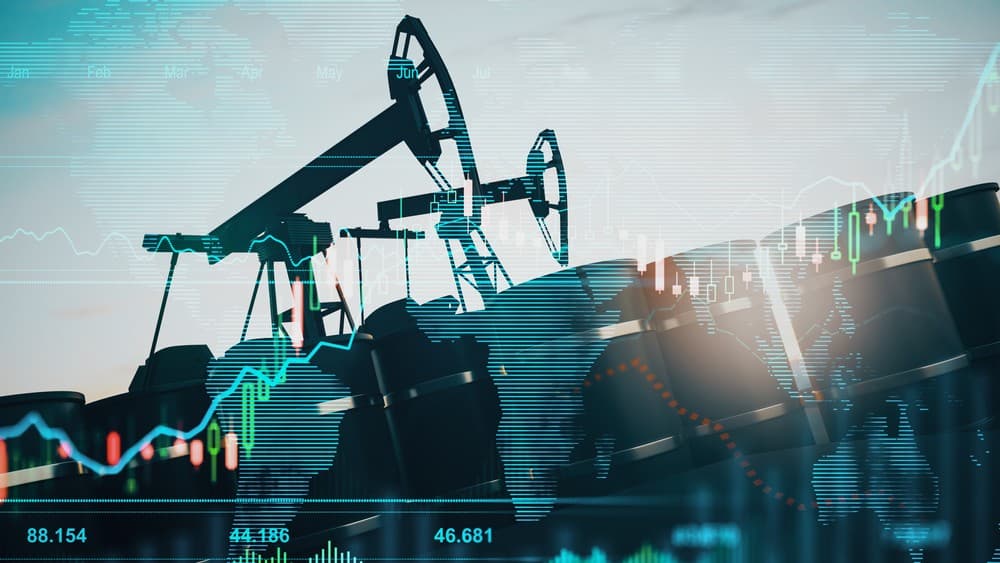
Brent futures for April delivery rose 29 cents, or 0.4%, from where that contract closed on Friday to settle at $75.96 a barrel, while U.S. West Texas Intermediate (WTI) crude rose 63 cents, or 0.9%, to settle at $73.16.
That was the lowest close for Brent since Jan. 2 now that the lower-priced April contract is the front-month after the expiration of the higher-priced March future on Friday.
Trump's sweeping tariffs on goods from Mexico, Canada and China on Tuesday had threatened to kick off a trade war that could dent global growth and reignite inflation.
The proposed tariffs included a 25% levy on most goods from Mexico and Canada, with a 10% tariff on energy imports from Canada and a 10% tariff on Chinese imports.
U.S. manufacturing grew for the first time in more than two years in January, but recovery was likely to be short-lived due to Trump's tariffs, which will potentially further raise raw material prices and snarl supply chains.
Boston Federal Reserve President Susan Collins said the type of tariffs announced by the Trump administration may drive up inflation, while noting there's a lot of uncertainty and no urgency on the part of the U.S. central bank to change the direction of monetary policy.
Higher inflation could prompt the Fed to raise interest rates to combat rising prices. That could reduce demand for energy by boosting borrowing costs and slowing economic growth.
Tariffs will raise costs for the heavier crude grades that U.S. refineries need for optimum production, industry sources said.
Gasoline pump prices in the U.S. are certainly expected to rise with the loss of crude for refineries and the loss of imported products, said Mukesh Sahdev at Rystad Energy.
Trump has already warned that the tariffs could cause "short-term" pain for Americans.
U.S. gasoline futures climbed up about 3% to a two-week high, helping to boost the 3:2:1- crack spread, which measures refining profit margins, to its highest since August 2024.
The Organization of the Petroleum Exporting Countries and their allies like Russia, collectively known as OPEC+, agreed to stick to its policy of gradually raising oil output from April and removed the U.S. government's Energy Information Administration from the sources used to monitor its production and adherence to supply pacts.
Source: Reuters