Oil falls 1% as Iran risks ease and geopolitical premium fades
Oil prices corrected by around 1% on Monday (January 19), reversing the previous session's gains. Pressure came after civil tensions in Iran eased, leading the market to assess a decrease in the likelihood of a US attack—which could potentially disrupt supply from one of the Middle East's major producers. However, sentiment has not completely calmed down as the market continues to monitor the risks of a US-Europe trade war and potential supply disruptions from Russia to Kazakhstan.
At 09:12 GMT:
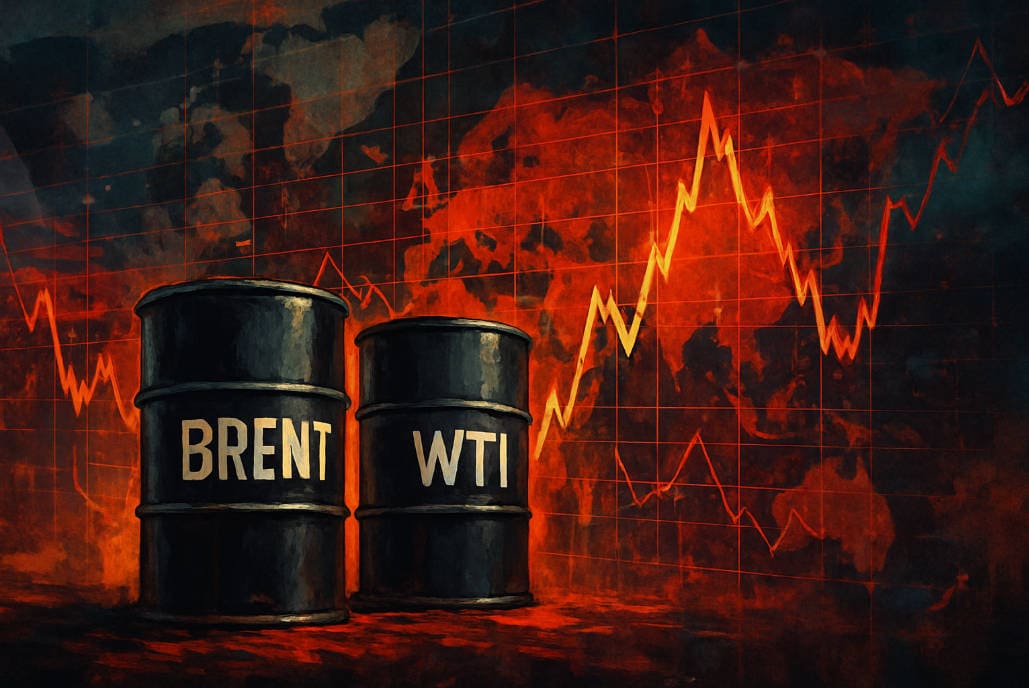
Brent fell 65 cents (1%) to US$63.48/barrel
February WTI fell 65 cents (~1%) to US$58.84/barrel
The February contract expires on Tuesday, while the March WTI contract (more active) was at US$58.77, down 57 cents (1%).
Iran calms down, chances of intervention seen as diminishing
According to reports, protests sparked by economic pressure in Iran have begun to subside after a crackdown by authorities. Iranian officials reportedly claimed the death toll reached 5,000. At the same time, US President Donald Trump appeared to tone down the threat of intervention, stating on social media that Iran had canceled plans for a "mass hanging"—although Iran had not officially announced the plan.
This dynamic is seen as reducing the likelihood of US intervention that could disrupt the export flow of Iran, which is the fourth-largest producer in OPEC.
Market focus shifts: trade war & oil demand
Analyst John Evans of PVM Oil Associates believes the current cautious sentiment is largely influenced by concerns about the impact of a widening trade war on the global economy—ultimately suppressing oil demand.
"The cautious sentiment is driven by the impact of an expanding trade war... on global trade and ultimately oil demand," Evans said.
The market is also monitoring US-European tensions over the Greenland issue, which are seen as having the potential to increase trade uncertainty and increase volatility.
Supply risks remain: Russia, cold weather, and Kazakhstan
Although Iran's geopolitical premium has weakened, the market is not yet fully comfortable. Evans added that the risk of damage to Russian infrastructure and disruptions to distillate supplies remains a concern, especially ahead of projected colder weather in North America and Europe.
Meanwhile, on the supply side, Kazakhstan's Tengizchevroil (led by Chevron) announced it had temporarily halted production as a precaution at its Tengiz and Korolev fields following problems with the electricity distribution system.
Trading Notes
US markets were closed on Monday for the Martin Luther King Jr. Day holiday, which could also lead to thinner liquidity and faster movements when news comes in. (yds)
Source: Newsmaker.id