Gold Tops $3,000 as Trump Drives Record Rally
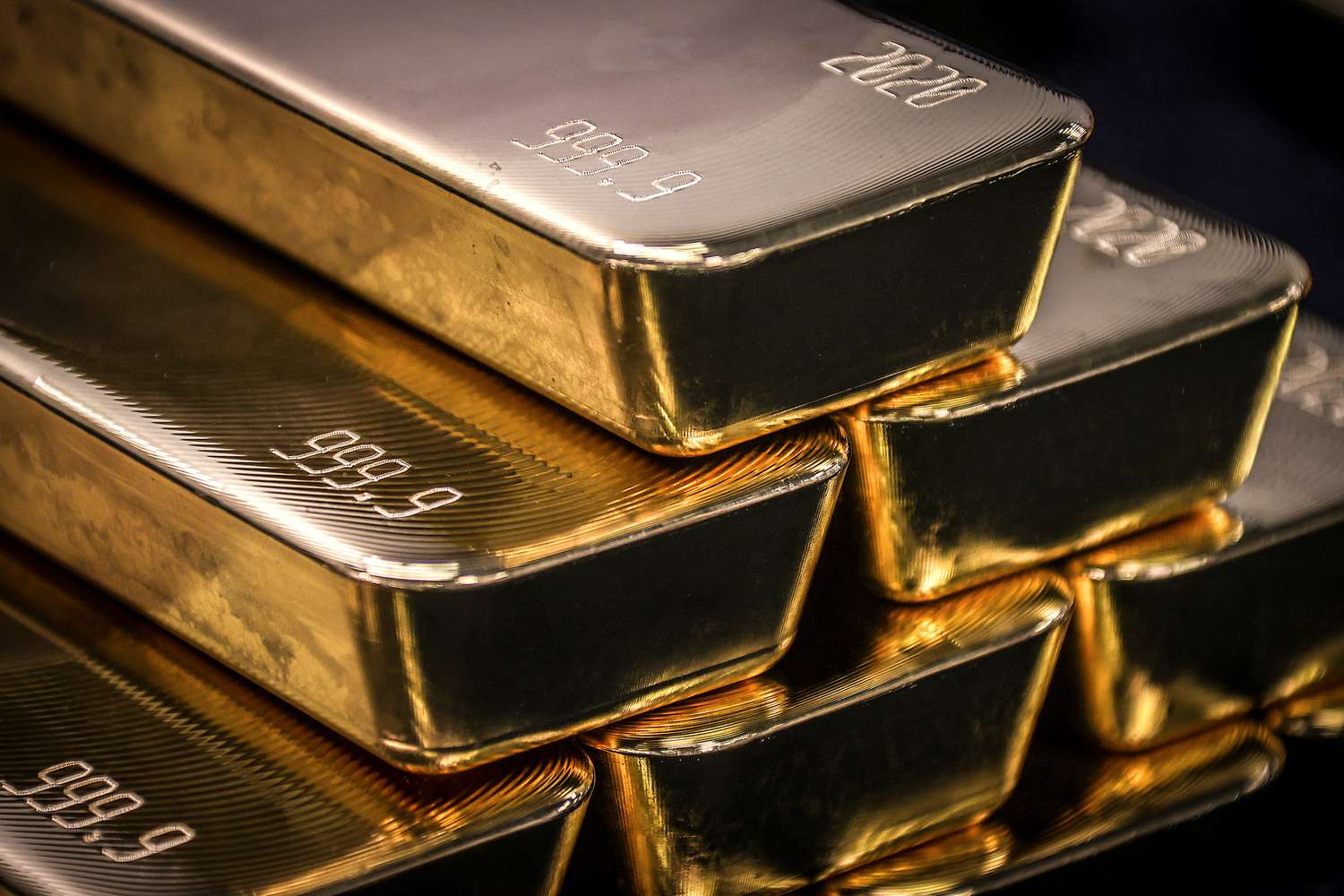
Gold prices have topped $3,000 an ounce for the first time, driven higher by massive central bank spending, fragile economies around the world and President Donald Trump’s efforts to rewrite the rules of global trade by imposing tariffs on strategic allies and rivals.
Bullion prices rose as much as 0.4% to $3,001.20 an ounce on Friday.
The move through the psychological $3,000 level underscores gold’s centuries-long role as a store of value in turbulent times and as a gauge of fear in markets. In the past quarter-century, prices have risen 10-fold, even outperforming the S&P 500, the benchmark for U.S. stocks, which has quadrupled over the same period. As traders braced for tariffs, U.S. gold prices surged above other international benchmarks, prompting traders to rush bullion into America in large volumes before the levies take effect. More than 23 million ounces of gold, worth about $70 billion, poured into New York’s Comex futures exchange between Election Day and March 12. The influx was so large that it helped push the U.S. trade deficit to a record in January.
Gold’s price surges typically follow broader economic and political pressures. The metal topped $1,000 an ounce after the financial crisis, and topped $2,000 during the Covid pandemic. Prices fell back toward $1,600 after the pandemic, but began to rise again in 2023, driven by central banks buying bullion to diversify away from the dollar, on concerns that the currency made them vulnerable to punitive U.S. action. In early 2024, the market surged again, driven by buying in China, where concerns about the country’s economy have been growing.
The rally gained further momentum after the U.S. election, as markets absorbed the new administration’s aggressive trade policies. “Gold is an asset that has been able to hold its value under some of the biggest macroeconomic dislocations that we’ve ever seen,” said Thomas Kertsos, co-portfolio manager at First Eagle Investment Management LLC. “We’ve seen that over the centuries gold has been able to — despite its volatility — always come back and always maintain its purchasing power, while providing significant liquidity.” Gold’s recent rally has come despite a couple of headwinds: higher interest rates and a strong U.S. dollar. When bonds or cash in the bank are providing solid returns, gold, which doesn’t earn interest, becomes less attractive. The U.S. dollar is the primary currency in which gold is bought and sold. When it becomes more expensive for holders of other currencies, it typically puts selling pressure on the metal.
Source: Bloomberg