Gold Rises to Record High as Trump Tariffs Spur Haven Buying
Gold rose to a record high after President Donald Trump said he would announce tariffs on steel and aluminum imports on Monday, adding to growing uncertainty in global financial markets.
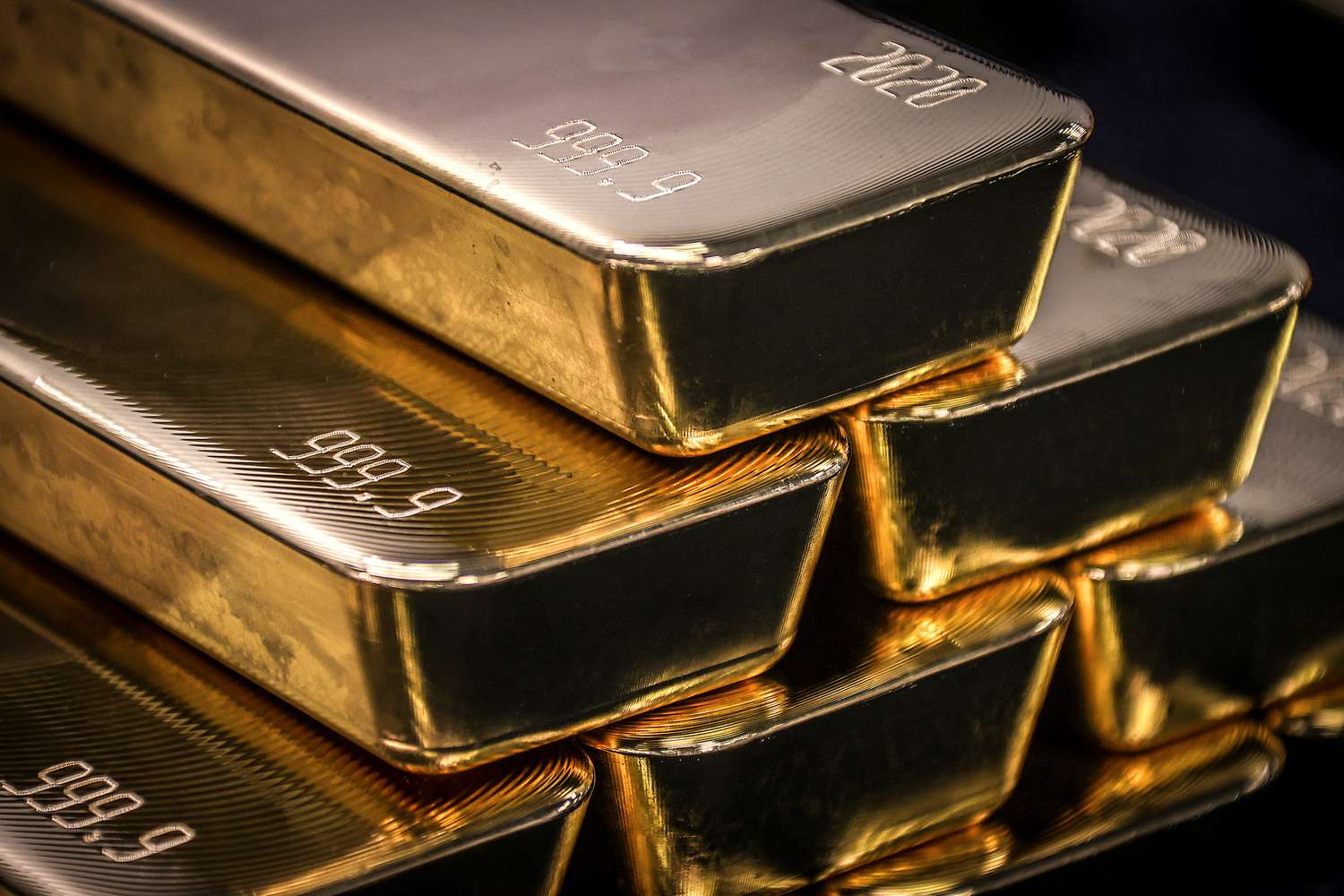
Bullion rose to an all-time peak above $2,895 an ounce — after rising 2.2% last week — as the president’s latest trade threats helped boost demand for haven assets. Trump said Sunday that 25% levies would apply to steel and aluminum from all countries, but did not specify when they would take effect.
“Gold remains in a good position, with few headwinds,” Westpac Banking Corp. analyst Richard Franulovich said in a note. “The intrinsically unpredictable and disruptive Trump, hurling tariff threats at allies and adversaries alike, along with threats of 100% tariffs on the BRICs if they diversify away from the dollar, all point to increasing gold’s appeal as a safe haven.”
Traders will also focus on Federal Reserve Chairman Jerome Powell’s semiannual testimony to lawmakers on Tuesday and Wednesday for clues on the path forward for U.S. monetary policy. Powell is likely to highlight a resilient economy as the main reason central bankers are in no rush to cut borrowing costs further — a scenario that would theoretically be bearish for bullion since it doesn’t pay interest.
Still, the metal’s role as a store of value in uncertain times continues to drive investor interest, with the market trying to get a sense of the potential implications for the U.S. economy and monetary policy if the new administration’s trade and immigration policies reignite inflation and hurt growth.
Asia’s largest economy also announced a pilot program to allow 10 major insurers to invest as much as 1% of their assets in bullion for the first time. That would raise as much as 200 billion yuan ($27.4 billion) in potential funds, Minsheng Securities Co. said in a note.
Spot gold rose 1.1% to $2,893.55 an ounce as of 7:41 a.m. in London. The Bloomberg Dollar Spot Index rose 0.2%. Silver and platinum rose, while palladium was slightly lower.
Source: Bloomberg