Warsh Wants Fed to Be More Flexible
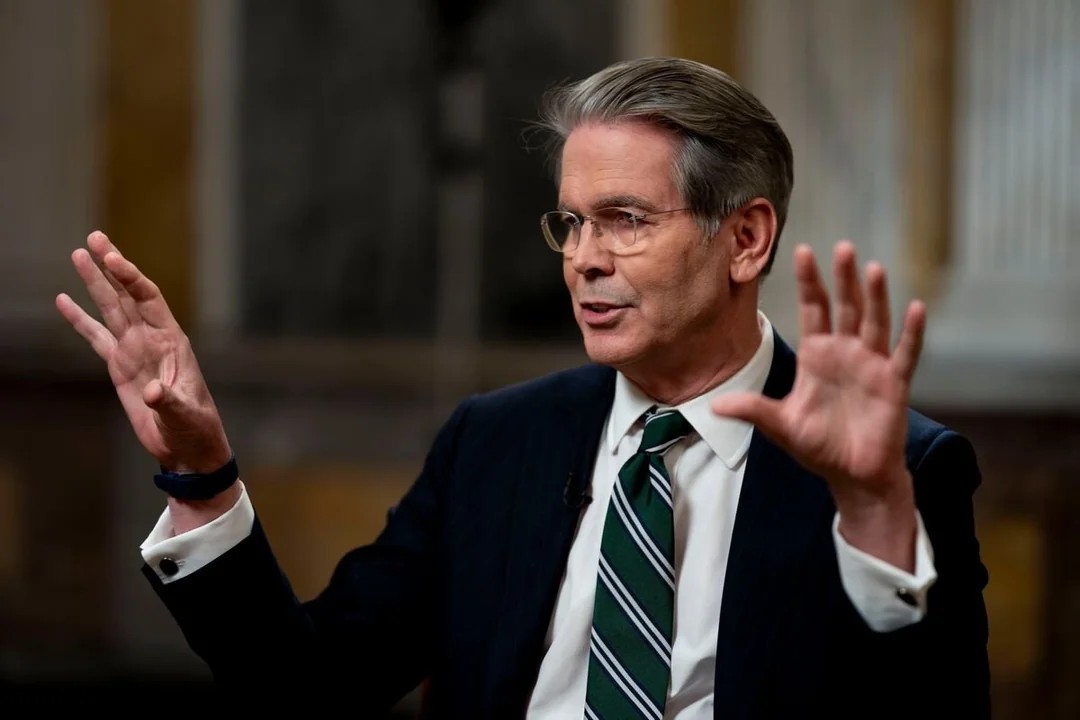
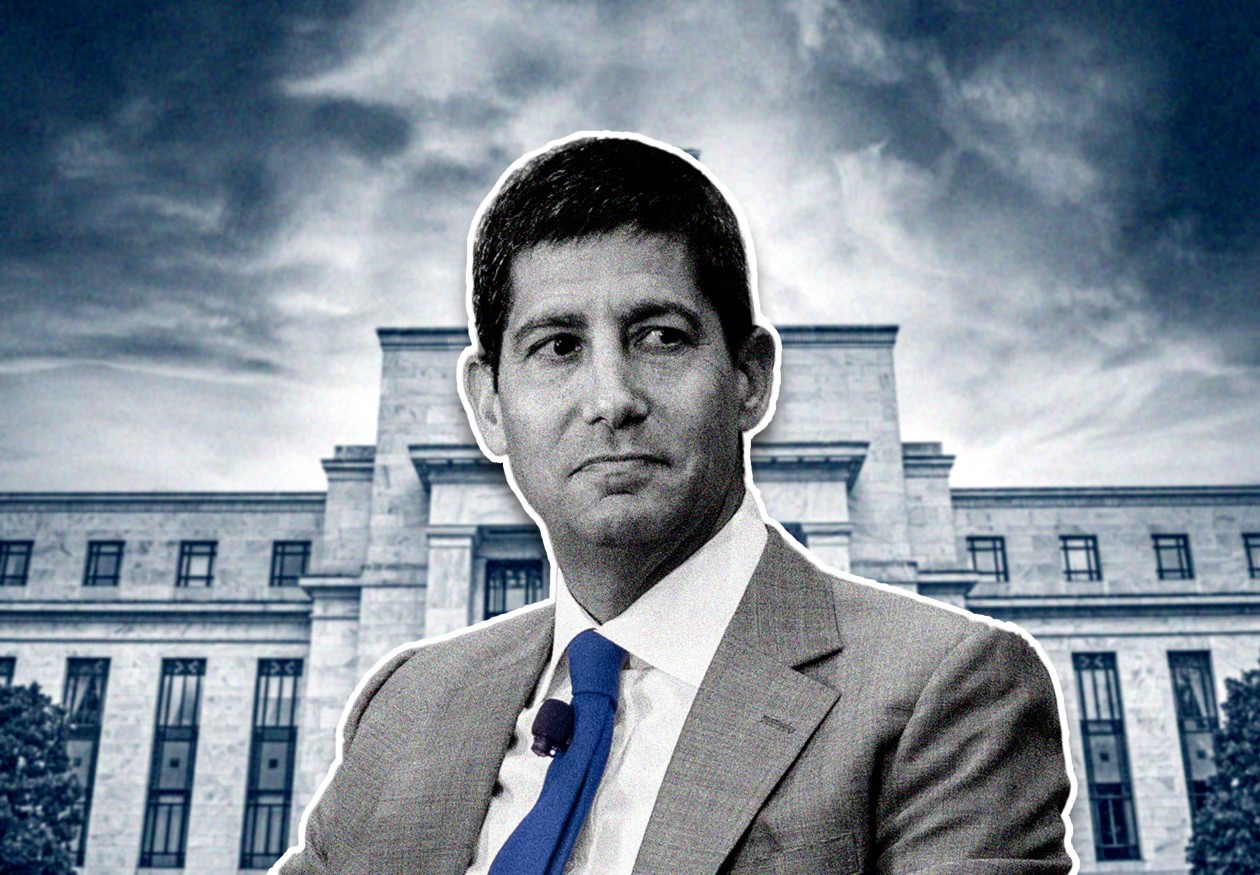
Federal Reserve Chairman Kevin Warsh heads into his first interest rate meeting this week with an agenda that focuses not only on the direction of policy but also on how the Fed communicates to the market. Warsh has previously signaled his desire to overhaul the central bank's communications, including reducing the Fed's tendency to provide too much guidance on future policy moves.
Over the past several decades, the Fed and other major central banks have moved toward more open communication. The goal is to help markets, households, and businesses understand the direction of policy so they can adjust their borrowing, investment, and consumption decisions. However, Warsh believes that overly detailed communications could leave the central bank trapped in its own words when economic conditions change.
This debate is crucial because markets currently rely heavily on Fed signals. One key instrument is the Summary of Economic Projections (SEP), which contains projections for growth, unemployment, inflation, and interest rate dot plots from Fed officials. If the format of the SEP is trimmed or changed, investors may receive fewer direct clues about the future direction of interest rates.
Warsh also inherits a challenging communication situation. At its last meeting, the Fed maintained language that signaled a likely rate cut next, although some officials wanted to remove that bias. At the same time, the market was starting to price in the possibility of a rate hike as inflation remained high and energy risks increased.
Fundamentally, Fed communications influence the market through interest rate expectations. If the Fed provides clear guidance, bond yields and the dollar could move more directionally. However, if the Fed reduces forward guidance, the market will have to read more direct economic data, potentially increasing volatility in bonds, the dollar, stocks, and gold.
The biggest focus this week will be Warsh's press conference after the interest rate decision. The market will assess whether he maintains the Fed's open communication style or begins to reduce forward-looking policy guidance. Even the slightest change in tone could be an early signal of the Fed's direction under new leadership. (Arl)
Source: Newsmaker.id