Warsh Affirms Fight Against Inflation, But Hasn't Signaled a Hike
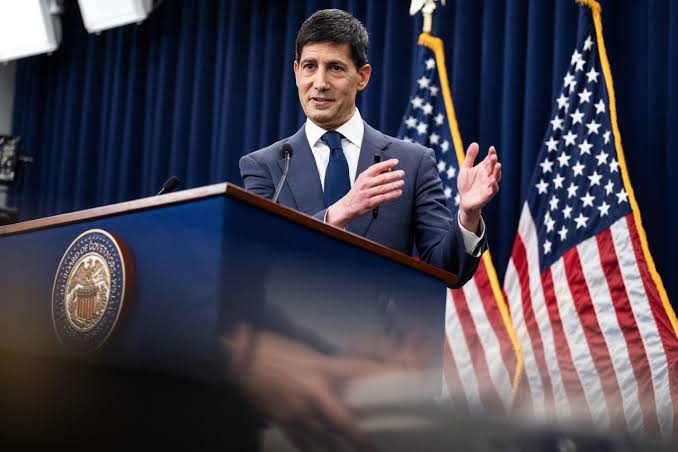
Federal Reserve Chairman Kevin Warsh reiterated his commitment to lowering inflation in his first testimony before Congress since taking over the US central bank. However, Warsh has yet to clearly signal whether he supports raising interest rates to achieve that target.
Before the House Financial Services Committee, Warsh said the Fed will establish appropriate policies to make the inflation spike of the past five years a thing of the past. He also emphasized that Fed officials will not tolerate persistently high inflation and remain committed to restoring price stability.
Warsh's statement came alongside the release of US CPI data for June, which showed a sharp decline in inflation. The decline in energy prices due to the temporary ceasefire with Iran weakened headline inflation, while core inflation also fell more than expected. This data is positive news for the Fed, although risks could resurface as the US-Iran conflict escalates and oil prices rise again.
Warsh also assessed that the US labor market remains quite strong. He noted that layoffs remain relatively low, job openings have changed little, and nominal wage growth remains solid. The strong labor market continues to focus on controlling inflation.
Despite this, the market still sees the possibility of an interest rate hike at the Fed's July 28-29 meeting. This uncertainty arises because Warsh is reluctant to provide explicit guidance on the future policy path. Several other Fed officials, such as Christopher Waller and John Williams, have signaled that the resurgent inflation data could strengthen the case for a rate hike.
In addition to energy inflation, the Fed is also monitoring price pressures from massive investments in the artificial intelligence (AI) sector. High demand for semiconductors, chips, servers, and AI infrastructure has driven prices for several components up sharply this year. Warsh said the Fed will continue to monitor the impact of AI on inflation and the labor market, while assessing the potential for AI investments to boost productivity in the US economy. (arl)*
Source: Newsmaker.id