Lagarde: ECB Was Right to Raise Interest Rates
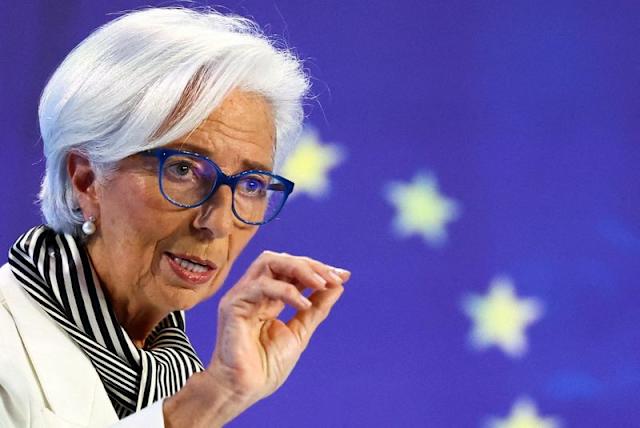
European Central Bank President Christine Lagarde defended the central bank's decision to raise interest rates last month. She emphasized that the move was the right one, even though oil prices have now fallen and inflationary pressures in the eurozone have begun to ease.
In an interview with the French newspaper Les Echos on Thursday (July 2), Lagarde said the ECB Governing Council was convinced that the decision to raise interest rates was the right one. She explained that the vast majority of council members had been ready to make the decision since April, but the ECB did not yet have all the necessary information.
Last month, the ECB became the first central bank among the Group of Seven countries to raise interest rates after the outbreak of the Iran war. The central bank assessed that energy price shocks were beginning to spread to the eurozone economy, and it could not allow inflation to spiral out of control.
The decision was made at a time when price pressures remained a major concern. At the time, the ECB raised its inflation projections and assessed that price risks remained substantial. The central bank also assessed that the impact of the war on energy and supply chains could affect production costs, prices of goods, and inflation expectations.
However, since the interim peace deal between the United States and Iran, oil prices have fallen sharply, alleviating one of the main sources of inflationary pressure. Recent data also shows that eurozone inflation has declined more than expected, leading some market participants to believe the ECB now has room to be more patient before raising interest rates again.
Nevertheless, Lagarde emphasized that external supply shocks are still spreading through the economy. She said the ECB is now beginning to see the indirect effects of these pressures. Therefore, the central bank still needs to monitor whether previous cost increases are being passed on to other prices in the economy.
Lagarde also said the ECB continues to monitor the risk of second-round effects, where an initial price shock triggers broader price and wage increases. However, she emphasized that these knock-on effects are not yet material.
For the market, Lagarde's statement signals that the ECB is not yet ready to declare the war on inflation over. Although inflation has begun to fall and oil prices have subsided, the central bank still wants to ensure that price pressures do not spread more widely to the services sector, wages, and consumer expectations.
Overall, Lagarde's comments indicate that the ECB will remain cautious in its next decision. If inflation continues to fall and no knock-on effects emerge, the likelihood of additional interest rate hikes may become increasingly remote. However, if price pressures rise again, the ECB could still maintain a tight stance. (arl)
Source: Newsmaker.id