Daly: AI and Inflation Are the Fed's New Dilemma
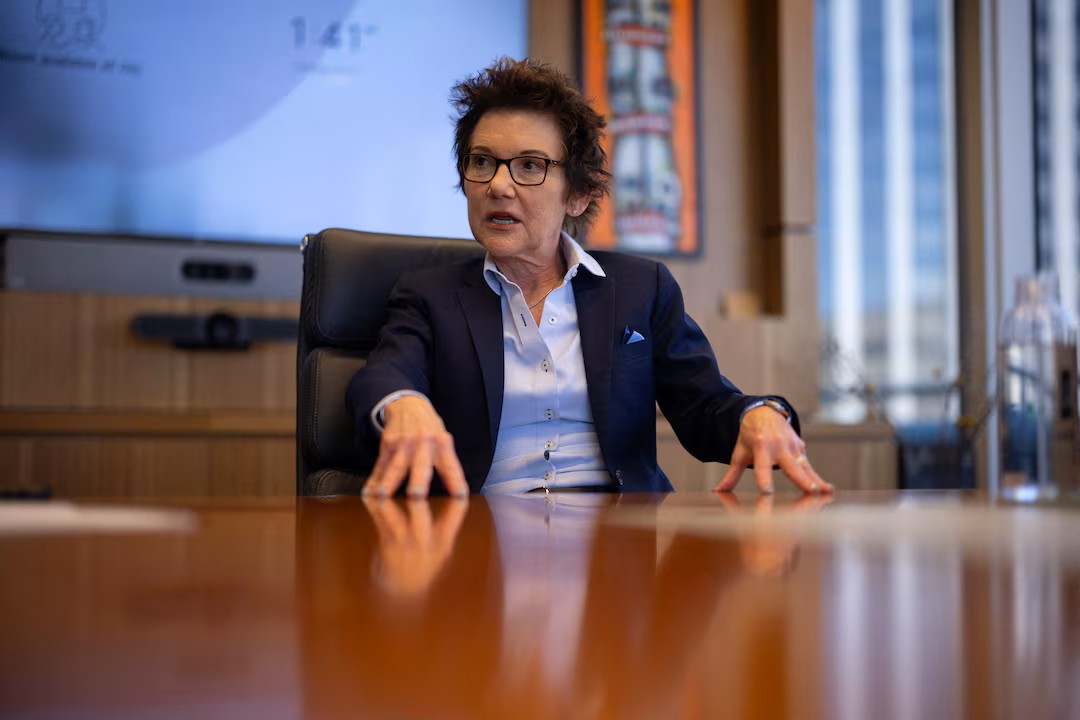
Federal Reserve Bank of San Francisco President Mary Daly said that US monetary policy is currently in a slightly restrictive state. However, she believes the Fed's next steps remain unclear because the US economy is facing conflicting signals.
Daly said that investment in the artificial intelligence (AI)-based technology sector remains very strong, while the labor market is relatively stable. This situation makes it uncertain whether the Fed needs to raise interest rates again, hold off for longer, or wait for additional data before making a decision.
According to Daly, there is one scenario where the Fed must return to combating inflation that turns out to be more persistent than expected. However, there is also another scenario where economic growth is unable to sustain itself, or investment begins to slow because businesses have not yet seen tangible results from their significant spending.
Daly's statement came after US labor data showed a sharp slowdown in June. Nonfarm payrolls added only 57,000 jobs, far below market expectations. This data led traders to reduce bets on the Fed's interest rate hikes in July and September.
Despite the weak labor data, Daly believes the decline in oil prices following the Iran ceasefire is good news for the economy and consumers. Lower energy prices can help ease inflationary pressures, particularly on transportation costs and household purchasing power.
However, Daly also emphasized that the impact of AI on the economy remains highly uncertain. AI investments can boost demand in the short term, but in the long term, they can increase productivity and supply. These two effects can have different impacts on inflation.
Fed Chairman Kevin Warsh previously emphasized that the US central bank will not disappoint those who expect the Fed to remain serious about curbing inflation. US inflation has remained above its 2% target for several years, so the central bank remains cautious in determining its policy direction.
Daly said the significant uncertainty surrounding AI makes him reluctant to make hasty interest rate decisions. He said that when the world is changing so rapidly, the central bank needs to carefully assess the situation before acting to ensure more informed decisions.
For financial markets, Daly's comments signal that the Fed will likely remain highly data-driven. If inflation strengthens again, the possibility of another interest rate hike could emerge. However, if growth and the labor market slow further, the Fed will have greater reason to hold policy.
Overall, Daly's statement suggests that the direction of US interest rates is not yet on a certain path. The Fed must still balance the risks of persistent inflation, a labor slowdown, falling oil prices, and the significant impact of AI investments on the economy. (arl)
Source: Newsmaker.id