Bailey Confirms BoE Not Ready to Cut Interest Rates
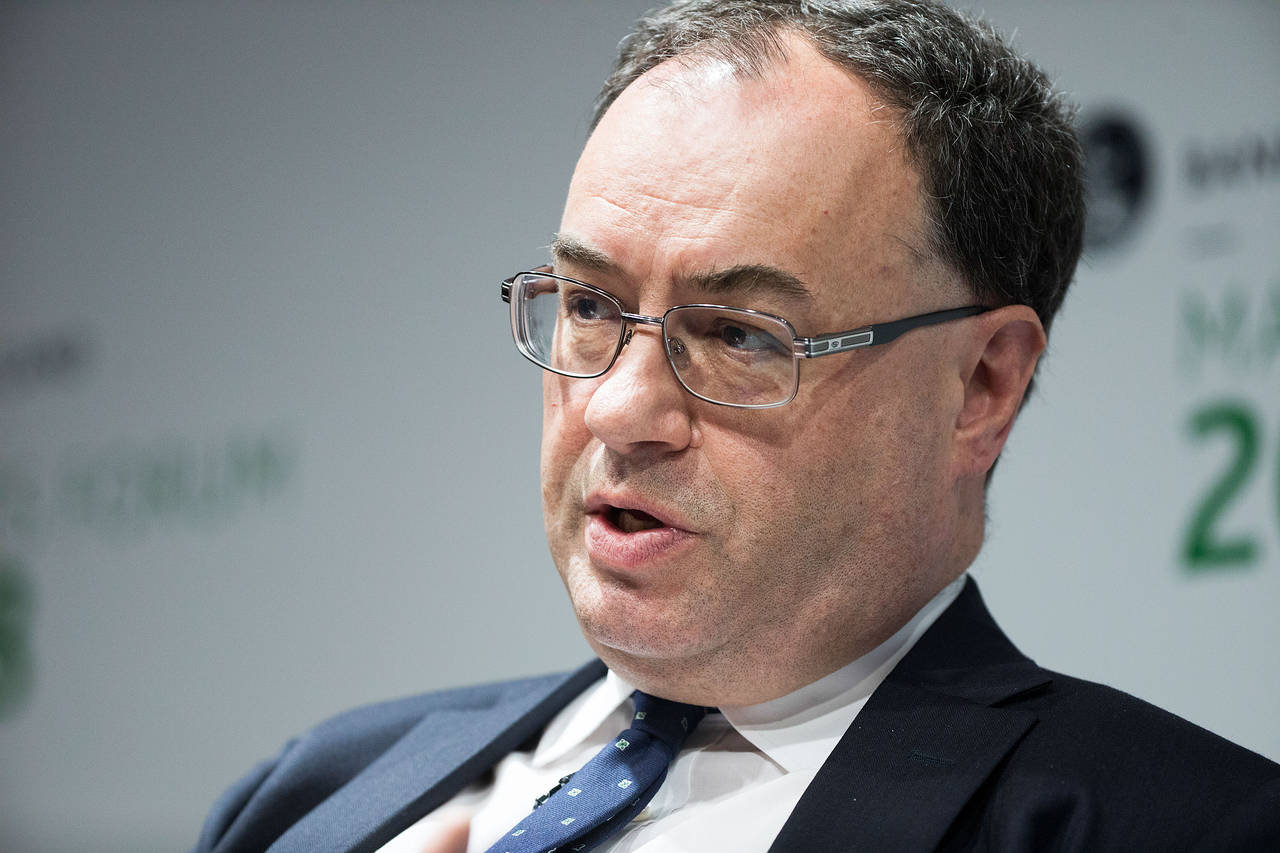
Bank of England Governor Andrew Bailey said the Bank of England is not yet in a position to consider cutting interest rates. This statement was made even though oil prices have fallen back to near pre-Iran war levels.
Speaking at the European Central Bank conference in Sintra, Portugal on Wednesday (July 1), Bailey said that expectations of an interest rate cut this year had previously been reasonable as the UK economy began to slow. However, he said that option has been off the table since March and is not currently under consideration.
Bailey also emphasized that the BoE should not rush into making monetary policy decisions. The central bank still needs time to assess how the previous spike in oil prices has affected the UK economy, particularly inflation, production costs, and household purchasing power.
This cautious stance comes as energy prices begin to ease after a spike due to the Iran conflict. However, Bailey believes oil and gas price movements are still difficult to predict. He even called oil and gas futures prices a poor indicator of future energy price direction.
Energy uncertainty is one of the main challenges for the BoE. If oil prices rise again, inflationary pressures could intensify. However, if energy prices continue to fall, inflationary pressures could ease, giving the central bank room to hold policy for longer.
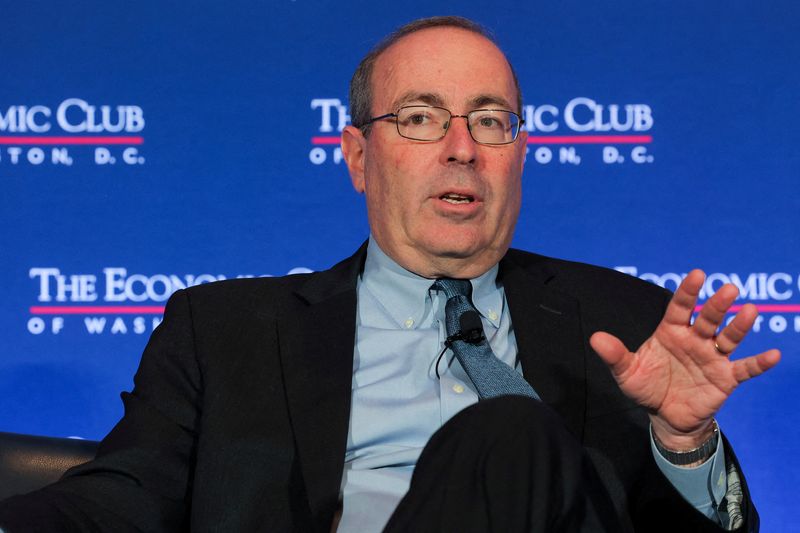
At the same forum, several central bank policymakers, including Federal Reserve Chairman Kevin Warsh, also declined to provide forward guidance or explicit guidance on future policy direction. This suggests that major central banks are now preferring a data-driven approach rather than providing definitive signals to the market.
A slim majority of economists surveyed by Reuters expect the Bank of England to keep interest rates unchanged this year. However, financial markets still price in a roughly 75% chance of a single 25 basis point rate hike, significantly lower than the three rate hikes expected after the Iran conflict first erupted.
For the market, Bailey's comments signal that the Bank of England is not yet ready to turn dovish. Although the UK economy is slowing, inflation risks remain significant enough to keep the central bank cautious. This could support the pound sterling, but also limit the room for stock gains if market concerns about high interest rates resurface.
Overall, the Bank of England's policy direction remains highly dependent on inflation data, energy prices, and domestic economic conditions. As long as the impact of oil prices on inflation remains unclear, interest rate cuts are likely to remain off the Bank of England's top agenda. (arl)
Source: Newsmaker.id