Trump Optimistic, But US-Iran Ceasefire Remains Fragile
US President Donald Trump said negotiators have made progress in indirect talks with Iran. Both countries are working to maintain a temporary ceasefire and turn it into a more permanent peace deal.
Trump's envoys, Steve Witkoff, and his son-in-law, Jared Kushner, were in Qatar on Tuesday (June 30) to discuss the continuation of the initial agreement between Washington and Tehran. The agreement gave both sides 60 days to negotiate a resolution to the conflict and address a number of key issues that remain bottlenecks.
Trump said the meeting in Qatar went very well. He said the United States and Iran were starting to "get along very well," although he did not provide specific details about the breakthroughs achieved in the talks.
Witkoff and Kushner also met with Qatari Emir, Sheikh Tamim bin Hamad Al-Thani, in Doha to discuss the progress of the negotiations. A Qatari statement said the United States was committed to continuing the negotiation process.
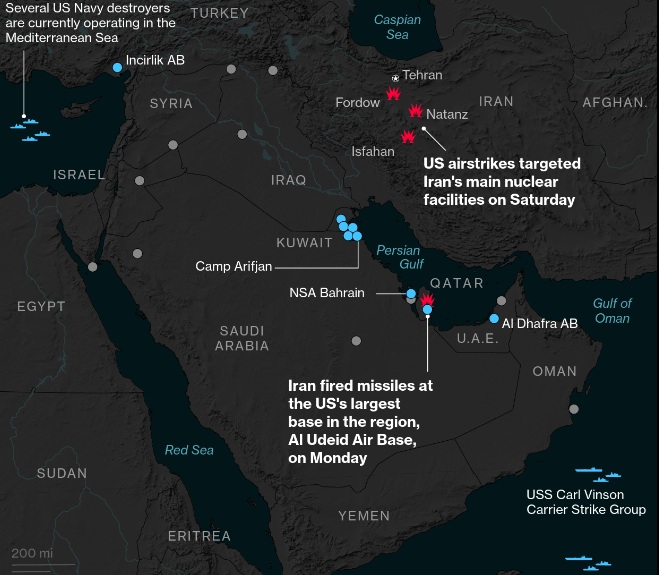
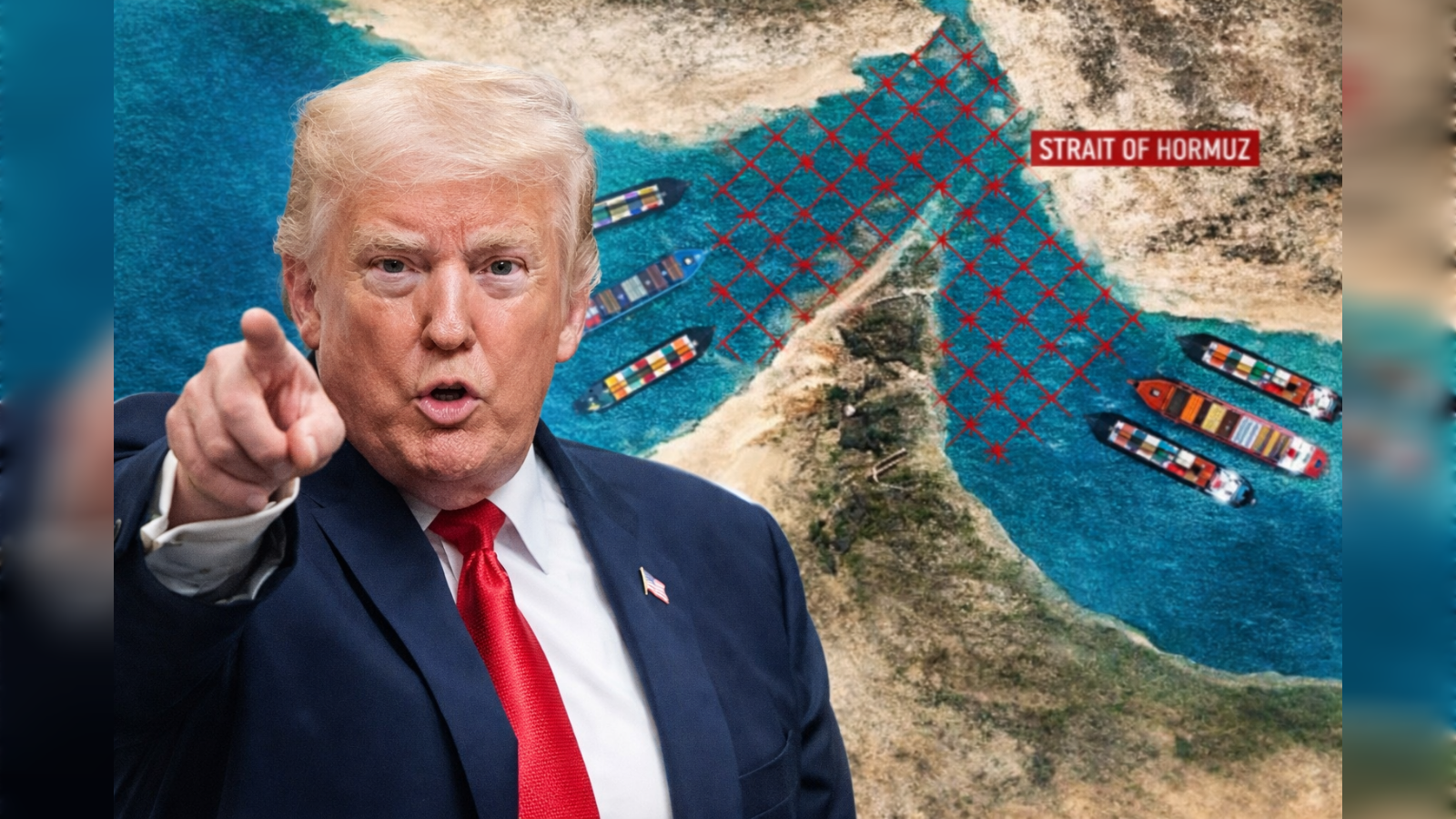
However, the situation on the ground remains fragile. The ceasefire was briefly shaken last week after the United States and Iran exchanged retaliatory strikes following an Iranian drone attack on a commercial vessel near the Strait of Hormuz.
The attack demonstrated Tehran's continued desire to maintain influence over the strategic shipping lane. The Strait of Hormuz is a crucial chokepoint connecting Persian Gulf energy producers to global markets. The issue of managing this waterway has become a major stumbling block in the talks.
Beyond the Strait of Hormuz, the future of Iran's nuclear program remains a major issue. Trump has insisted that Iran must never acquire nuclear weapons. He has described the ongoing process as part of his denuclearization efforts.
Meanwhile, a Wall Street Journal report stated that Trump is reconsidering the option of a full-blown war with Iran. He reportedly discussed military options with Defense Secretary Pete Hegseth and Joint Chiefs of Staff Chairman Dan Caine, but for now, he remains committed to diplomacy.
For global markets, the progress of the US-Iran talks is crucial because it directly relates to geopolitical risks, oil prices, inflation, and the direction of the Fed's interest rate policy. If negotiations continue to improve, pressure on energy prices could ease. However, if the ceasefire is violated again, volatility in the oil market and safe-haven assets like gold could potentially increase.
Overall, Trump's statement signals optimism regarding the diplomatic process. However, the lack of concrete details and ongoing tensions in the Strait of Hormuz are keeping the market cautious. Until a permanent agreement is reached, geopolitical risks in the Middle East will remain a key factor for investors to monitor. (arl)
Source: Newsmaker.id