ECB Hikes Rate, Lagarde Highlights Energy Inflation
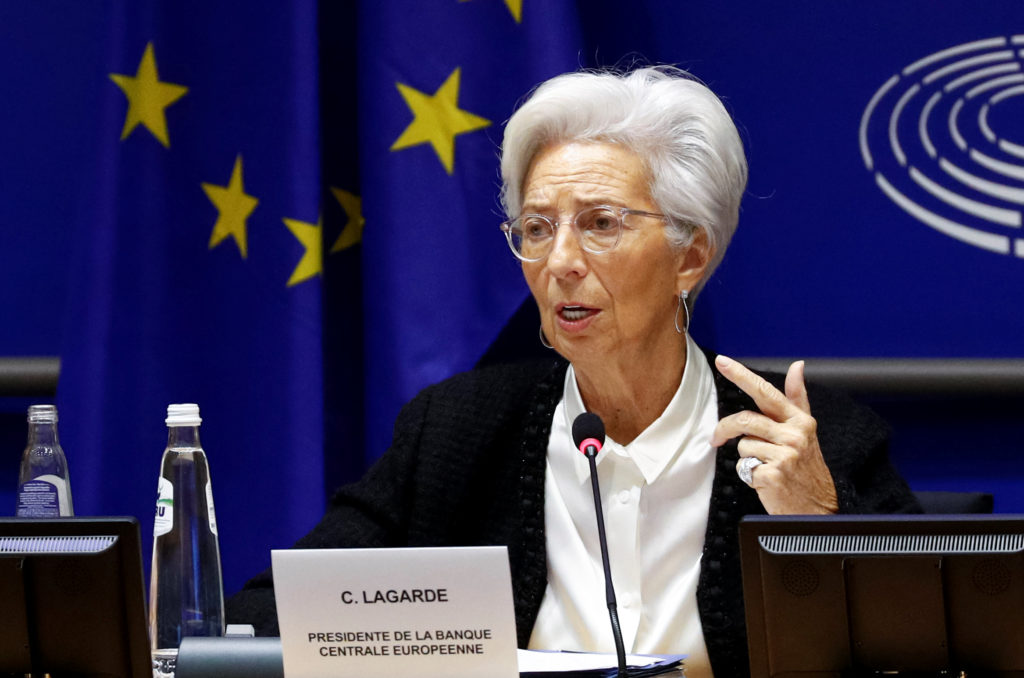
European Central Bank (ECB) President Christine Lagarde emphasized that the decision to raise interest rates by 25 basis points at the June meeting was driven by the risk of inflation remaining uncontrolled. The ECB sees price pressures beginning to expand, particularly following the surge in energy costs due to geopolitical tensions and supply disruptions.
Lagarde said the manufacturing sector remains resilient, while consumption is expected to be one of the drivers of growth. She also assessed that positive net incomes for workers can help support household spending, even though the Eurozone economy continues to face pressures from energy prices and global uncertainty.
The ECB also highlighted the role of investment, which is still supported by government spending. However, the central bank will continue to monitor the size and duration of energy price increases, as prolonged pressures could make it more difficult for inflation to return to target.
According to Lagarde, short-term inflation expectations have risen, while longer-term expectations remain relatively anchored around the target. The ECB now expects inflation to return to target only in the fall of 2027, indicating a slower price normalization process than previously.
From a financial stability perspective, Lagarde warned that a sharp and sudden decline in asset prices could pose risks to the financial system. This statement demonstrates that the ECB is not solely focused on inflation but is also mindful of the impact of high interest rates on financial markets and investor sentiment.
For the market, Lagarde's message is rather cautious. The ECB has not signaled rapid easing as inflation remains widespread and energy remains a key risk. However, the central bank must also maintain a balance so that tightening does not overly suppress growth. The next focus will be inflation data, energy prices, consumer expectations, and the resilience of Eurozone household consumption. (Arl)
Source: Newsmaker.id