The Gold Shock Isn't Over Yet, Gold Drops Again!
Gold prices weakened for a third day after the United States launched a new attack on Iran. This escalation increases the risk of a prolonged war in the Middle East, while maintaining market concerns about inflation and the direction of global interest rates.
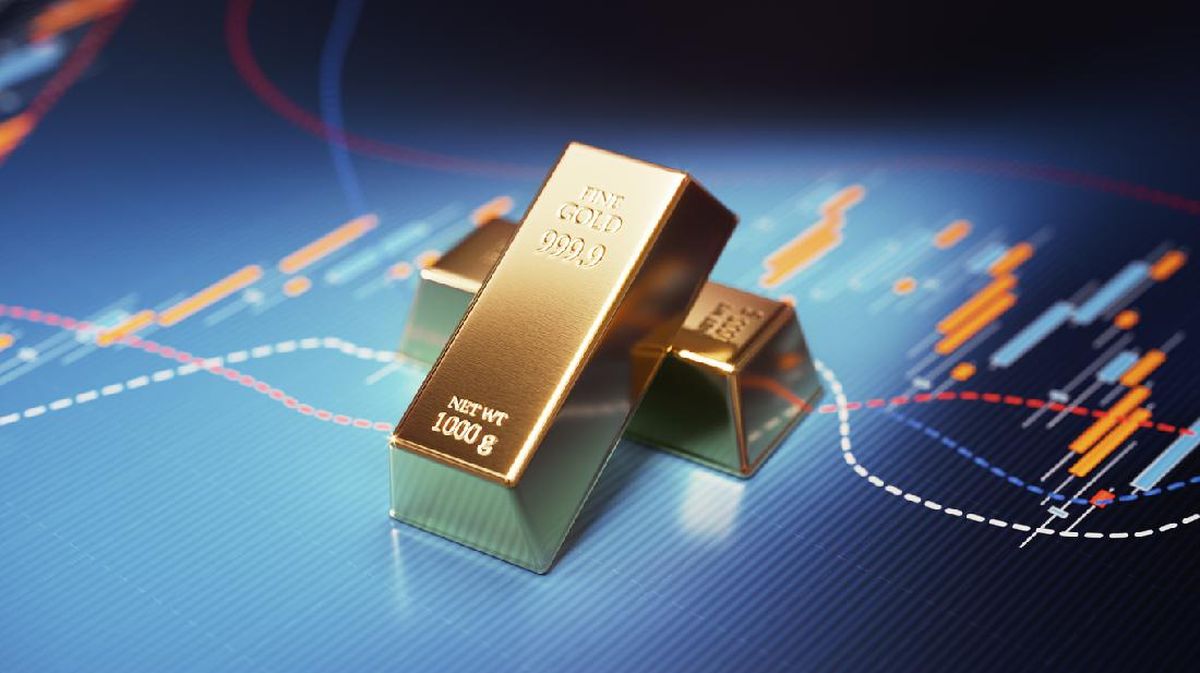
Gold briefly fell as much as 1.2% to near US$4,024/oz, extending the sharp 4.4% decline in the previous session, before paring some of its losses. At 7:50 a.m. Singapore time, spot gold fell 0.6% to US$4,062.76/oz. Silver also weakened 1.3% to US$62.55/oz, while platinum fell and palladium remained relatively stable.
Pressure arose after the US military fired missiles at several targets in Iran. President Donald Trump accused Tehran of delaying temporary peace talks for too long, while Iran responded by closing the Strait of Hormuz to all shipping. This situation again made it difficult for the market to gauge the direction of the conflict and the outlook for global energy supplies.
For gold, this conflict did not immediately provide a safe haven boost. The market was instead focused on the impact of energy on inflation. The war, now in its fourth month, has disrupted energy flows through Hormuz, pushing up oil prices and increasing the likelihood that central banks will maintain high interest rates or raise them again.
US inflation data also added pressure. May's CPI rose 0.5% from the previous month and 4.2% year-on-year, the fastest pace in more than three years. Because gold does not pay interest, expectations of higher interest rates weaken its appeal compared to yield-based assets.
Technically, gold has become increasingly vulnerable after falling below its 200-day moving average and breaching the key US$4,100/oz area. This decline triggered additional selling from institutional investors. However, the recent weakness reflects more risk reduction and portfolio adjustments, rather than a complete change in gold's position as a long-term hedge. (asd)*
Source: Newsmaker.id