Fed's Bowman: Energy Inflation Could Be Transitory
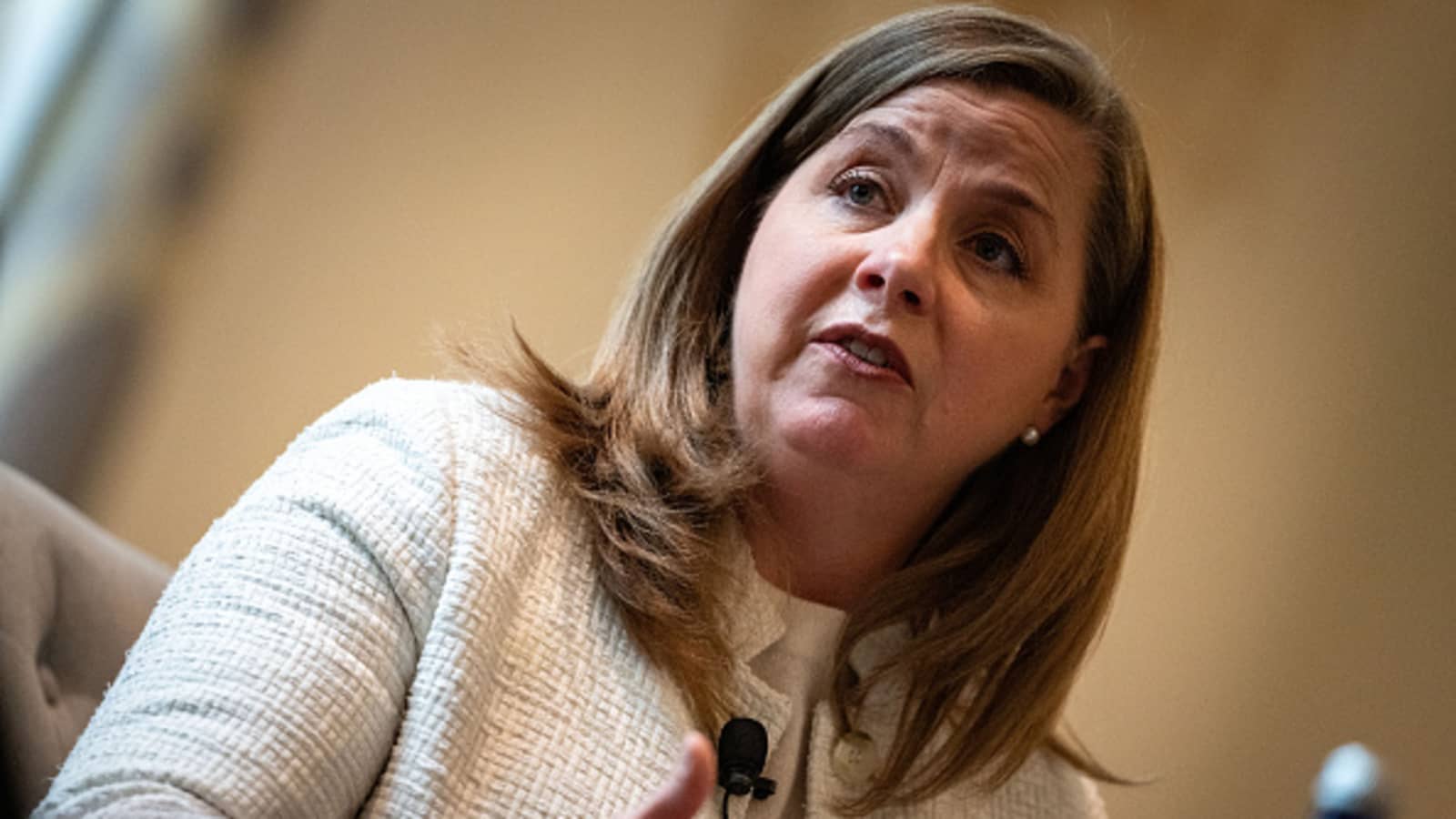
Fed Vice Chair for Supervision Michelle Bowman said it was too early to assess the inflationary impact of the Iran war and that policymakers needed to "look past" the temporary price spike. In a speech on Friday (May 29) at a central banking conference in Iceland, Bowman emphasized that the energy-driven inflation spike could be temporary as long as the Fed's credibility with its inflation target remains intact.
Unlike a growing number of officials who want the Fed to emphasize that the next step could be either a rate hike or a rate cut, Bowman said she supported last month's decision to maintain the statement language that left open the possibility of a rate cut. She said the Fed needed greater clarity on the economic impact of the Middle East conflict and how long it would last.
Bowman also noted that the "one-off" effects of tariffs could potentially fade. However, the Iran war has pushed up energy prices and increased the risk of widespread price pressures, reflected in US PCE inflation, which rose 3.8% year-on-year through April—the highest level since 2023 and well above the 2% target.
According to Bowman, economic research suggests the central bank should be cautious in responding to energy supply shocks. Reacting to temporary energy inflation could actually add unnecessary tightening, depressing economic activity and labor market conditions. He said the current "moderately restrictive" policy stance is intended to keep the labor market stable while allowing inflation to return to 2% when the impact of tariffs and oil prices subsides.
However, Bowman issued an important warning: the longer the Iran war drags on, the greater the chance that the inflationary impact will become more severe. If high oil prices persist or broader effects of energy on PCE inflation begin to emerge, Bowman said he would consider changing his assessment of the balance of policy risks. (Arl)
Source: Newsmaker.id