Fed Rate Cut Prospects Remain Conditional
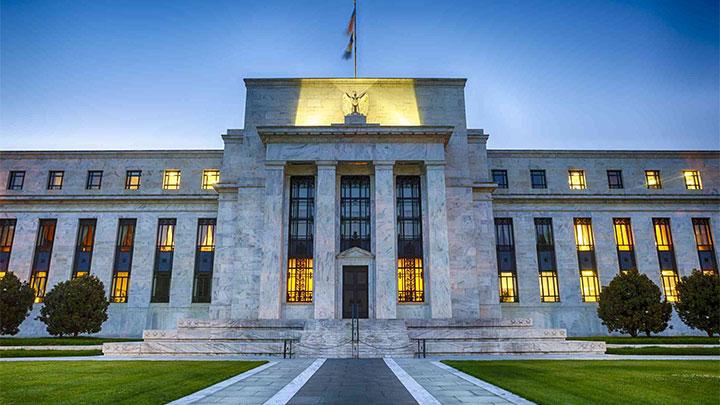
The outlook for Federal Reserve interest rate policy in 2026 is becoming increasingly complex, with markets and economists split between a “higher for longer” scenario and the possibility of limited rate cuts. Most central bank officials continue to adopt a cautious stance, as inflation pressures have not fully eased, largely due to energy factors and ongoing global geopolitical tensions.
From a market probability perspective, recent data suggests that holding rates remains the dominant expectation. There is roughly a 65% chance that rates will stay on hold through the end of the year, while the probability of rate cuts ranges between 34% and 58%, depending on surveys among global investors and fund managers. Meanwhile, the likelihood of a rate hike is considered minimal, at only 2%–5%, indicating that markets do not anticipate aggressive tightening in the near term.
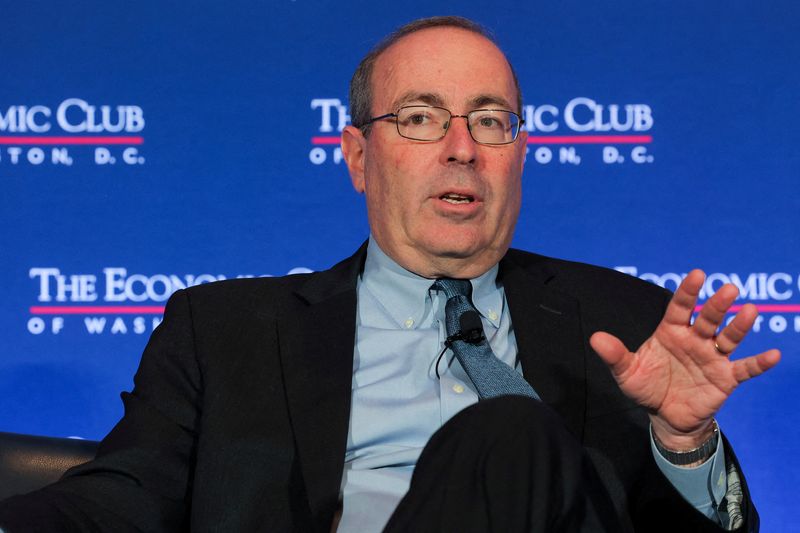
Statements from Fed officials reinforce this wait-and-see approach. Policymakers have indicated that interest rates are likely to remain “on hold for some time” as they seek clearer evidence that inflation is sustainably moving lower. At the same time, concerns persist that rising energy prices—driven by Middle East tensions—could keep inflation elevated, potentially justifying a longer period of tight monetary policy. However, some officials, including Christopher Waller, have opened the door to possible rate cuts if price pressures begin to ease, albeit with a cautious approach.
From an economic standpoint, the consensus leans toward one to two rate cuts toward the end of the year, rather than in the near term. Surveys indicate that easing is likely only if inflation declines meaningfully and the labor market shows signs of weakening. However, as long as global uncertainty—particularly geopolitical conflict and energy price volatility—remains elevated, the base case scenario is still that rates will be held higher for longer, with rate cuts viewed as conditional rather than guaranteed.
Ultimately, the policy direction will be heavily influenced by global energy dynamics, especially the US–Iran conflict. If tensions escalate and push oil prices higher, keeping inflation elevated, the “hold” scenario is likely to dominate and may persist longer. Conversely, if tensions ease and energy prices stabilize, inflationary pressures could decline, opening the door for gradual rate cuts later in the year.
Source : Newsmaker.id