Goolsbee Firm: Inflation No. 1, Cuts Later
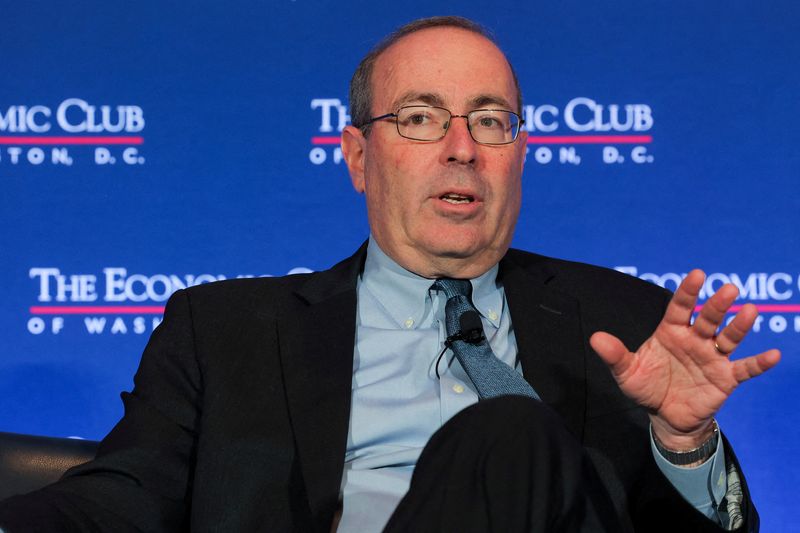
Chicago Federal Reserve President Austin Goolsbee emphasized that the US central bank's primary focus remains the same: taming inflation and re-keying it to its 2% target. He said labor market conditions are actually starting to show signs of stabilizing, allowing more attention to be focused on price issues.
In an interview with CNBC on Thursday, Goolsbee said many businesses in his region are still complaining about rising costs and affordability issues. He believes that as long as price pressures remain unabated, the Fed must not "lose its grip" on its inflation mandate.
On the labor front, Goolsbee said that previous concerns have now subsided. He said uncertainty has indeed caused companies to hold back on hiring, but there has not yet been a wave of large-scale layoffs. Indicators in the Chicago area, he said, show the labor market is in fairly stable condition—there is still energy, and economic growth has not drastically lost momentum.
This statement aligns with signals from several other Fed officials who have recently been leaning toward holding interest rates at the meeting later this month. Inflation did rise slightly, while the unemployment rate improved to around 4.4% in December and annual CPI inflation hovered around 2.7%.
Market-wise, investors have not been aggressively betting on an imminent interest rate cut—many believe the earliest chance of a cut will only strengthen around mid-year. The Fed's latest projections also point to limited room for easing, with expectations of a modest reduction throughout 2026.
Goolsbee also raised a sensitive issue: the Fed's independence. He reiterated his warning that inflation could "go crazy again" if the central bank loses its independence in policymaking. These comments come amid political scrutiny of the Fed, including an investigation into the cost of renovating the central bank's Washington headquarters—which Fed Chairman Jerome Powell called a "pretext" to push for more easing policy.
Nevertheless, Goolsbee emphasized that he still sees the potential for lower interest rates going forward—provided there is concrete evidence that inflation is consistently moving toward the 2% target.
Source: Newsmaker.id