BOJ Prepares to Hike Interest Rates, What Will the Impact Be?
The Bank of Japan (BOJ) is expected to raise interest rates on Friday to a three-decade high, from 0.5% to 0.75%, signaling readiness for further increases beyond next year. This move demonstrates the BOJ's confidence that sustained wage increases will keep inflation around its 2% target, even as interest rates remain low by global standards.
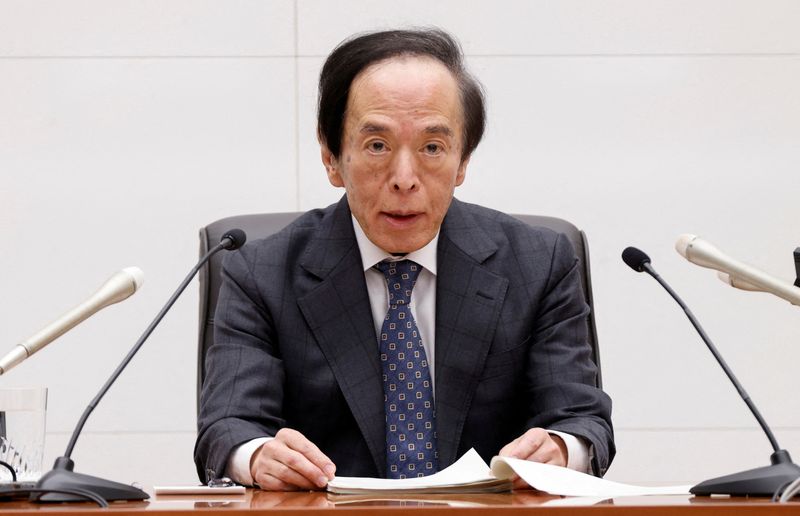
This hike is a key step in Governor Kazuo Ueda's efforts to normalize monetary policy in Japan, which has long been accustomed to extreme easing and near-zero interest rates. Markets are now focused on Ueda's post-meeting press conference for clues about the pace and magnitude of future hikes, which could potentially impact the yen's status as a cheap source of funding for global investors.
Analysts at Evercore ISI believe Ueda will likely emphasize that inflation is on track, real interest rates remain low, and financial conditions remain accommodative. This suggests the possibility of further normalization over time. A Reuters survey showed that around 90% of economists expect a rate hike to 0.75%, and more than two-thirds expect the rate to reach 1% by September next year.
The BOJ's decision came a day after the European Central Bank maintained its policy rate and signaled the end of its rate-cutting cycle. With Japan's core consumer inflation reaching 3% in November, stable from the previous month and well above target, BOJ board members are increasingly ready to support a rate hike to prevent the risk of inflation becoming too high.
Another factor influencing the BOJ's decision is the weakening yen, which increases import costs and pushes up inflation. The government of Prime Minister Sanae Takaichi, who is pro-money easing, is believed to agree to a rate hike to offset the effect of a weaker yen on the stimulus package. Toshihiro Nagahama, a government aide, emphasized that the exchange rate has a significant impact on BOJ policy. (az)
Source: Newsmaker.id