Trump vs. Netanyahu, Iran Negotiations Dragged Into Derailment
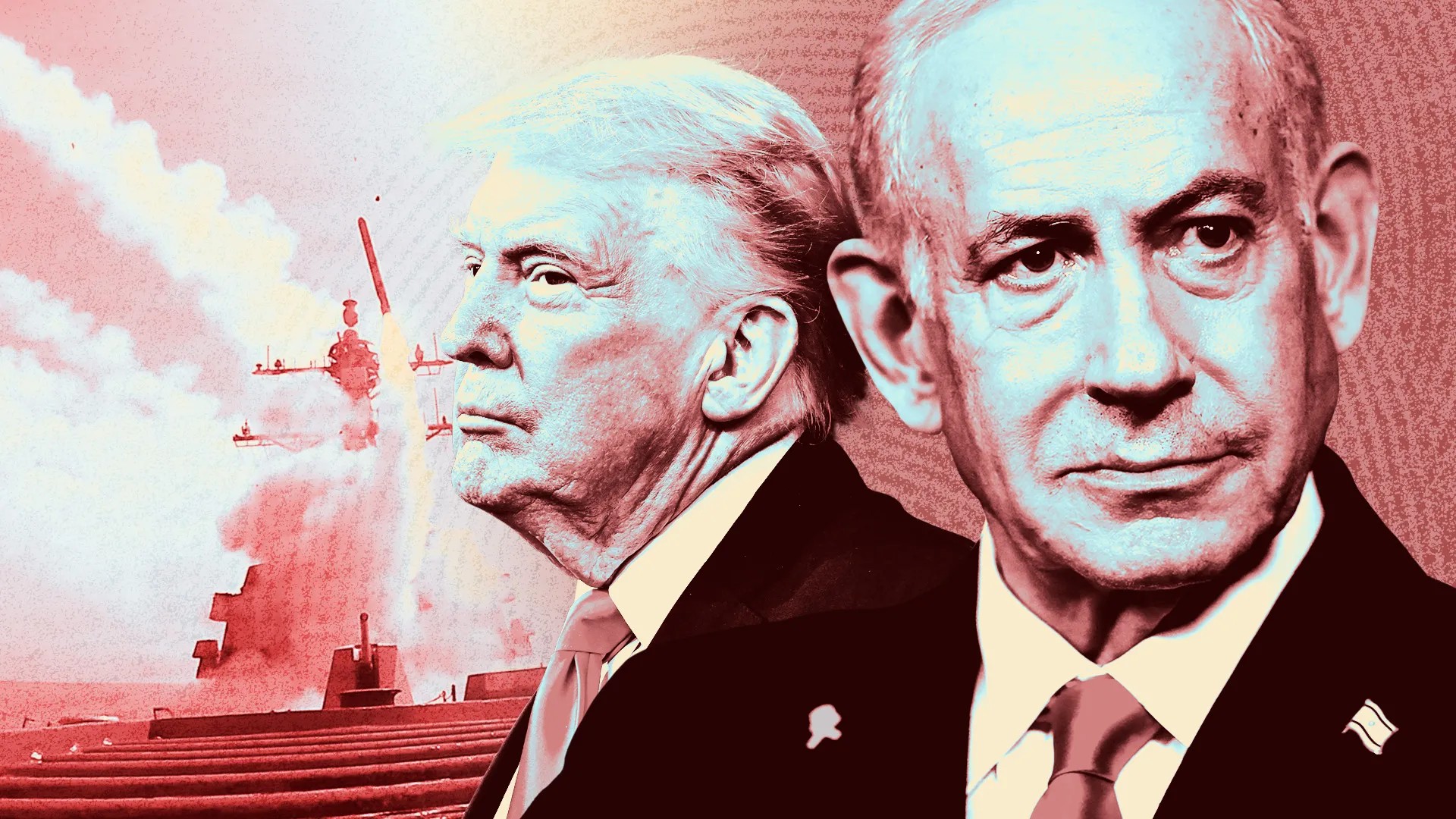
President Donald Trump has projected confidence for months that a deal to end the Iran conflict is near. However, Israel's determination to pursue its own security agenda suggests Trump's control over the outcome of the crisis is less than he has portrayed, especially as the war enters its fourth month and the focus shifts to Lebanon.
The latest rift emerged after Israel's military escalation against Hezbollah in Lebanon prompted a Trump-Netanyahu call. The two sides offered differing versions of what was agreed upon: Trump described a broader ceasefire, while Netanyahu hinted only at certain restrictions on attacks and insisted that Israeli operations in southern Lebanon would continue. This difference highlights a gulf in interests: the US and Israel are not entirely aligned on what they desire to see as an "end to the war."
This divergence of objectives has also disrupted the Washington-Tehran talks, as Iran insists Lebanon must be part of any deal. Iran said Monday that exchanges through mediators had stopped, while Trump denied on Tuesday that talks had stopped. This uncertainty arose as Netanyahu threatened a new attack on Beirut, reinforcing the perception that diplomacy is vulnerable to the dynamics of the war in Lebanon.
Energy markets responded by reintroducing a risk premium, though not explosively. Oil rallied for the second consecutive session as market participants focused more on physical flows and the risk of shipping disruptions than on conflicting narratives from the US and Iran. Brent closed around US$96 per barrel, confirming that prices remain sensitive to headlines and chokepoint status.
Behind the scenes, an Axios report described the Trump-Netanyahu call as heated, including accusations of inadmissibility, although there has been no official confirmation from the White House or the Israeli Embassy. Some observers believe Iran is trying to exploit the US-Israel differences to weaken Washington's negotiating position, and so far, there appears to be a gap that can be exploited.
The pattern is becoming increasingly clear: every time there is a sign of a temporary ceasefire, tensions in Lebanon escalate, Iran threatens to withdraw from the talks, Trump presses Netanyahu again, and then new claims of "progress" emerge—a repeating cycle that leaves markets doubtful about a truly stable solution. At the same time, core issues such as freedom of navigation in Hormuz, frozen Iranian funds, and the regional security landscape remain unresolved.
For the market, the measure of success is no longer optimistic statements, but verifiable execution. As long as the Lebanon war remains unabated and the US-Israel divide remains open, risks to energy flows—including the threat of tighter restrictions in Hormuz and Bab el-Mandeb—will continue to be a source of volatility and keep geopolitical premiums sticky. (Arl)*
Source: Newsmaker.id