

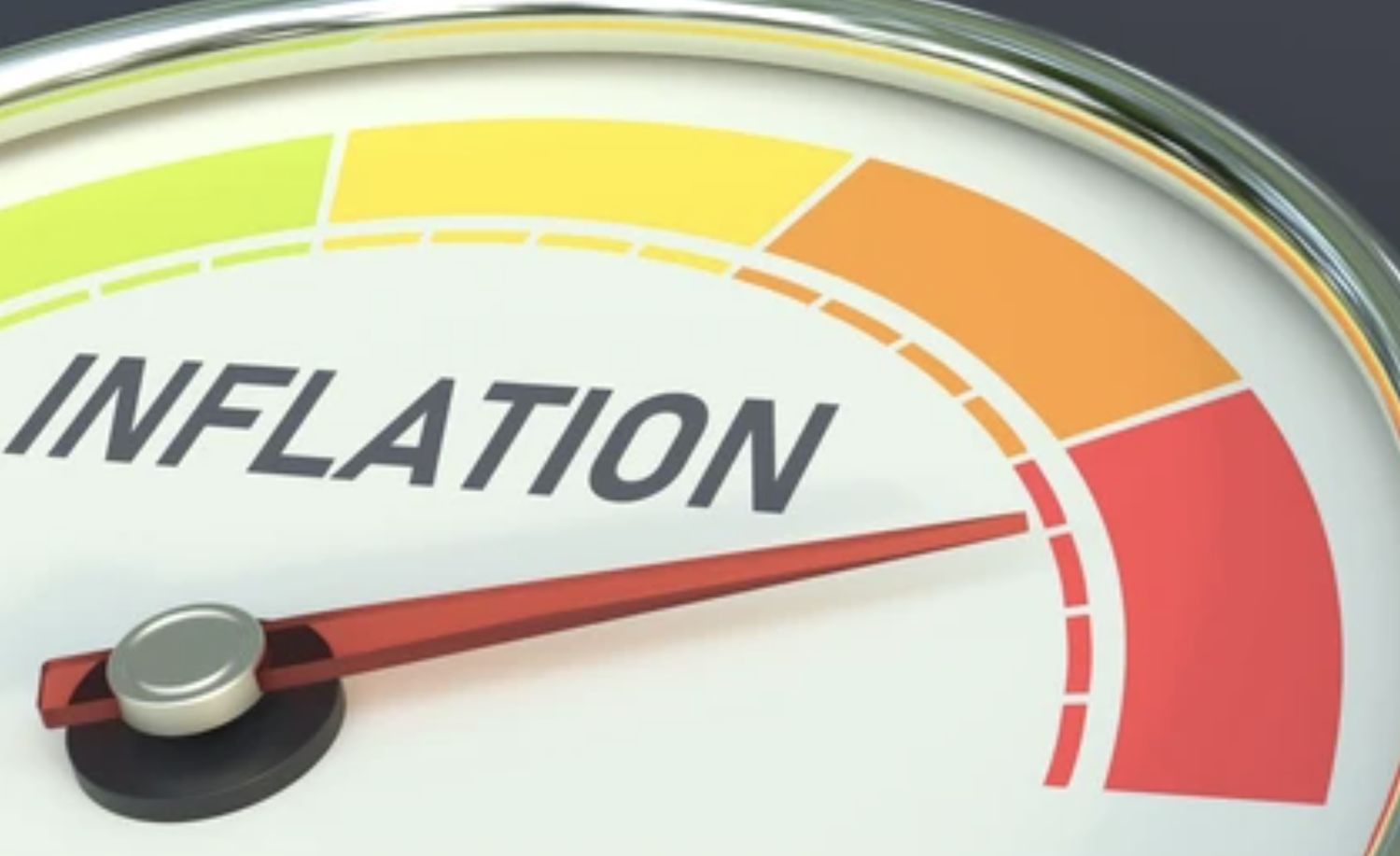
Australian Inflation Accelerates Again, RBA Grows Concerned
Australia's annual inflation rate rose sharply to 3.2% in the third quarter of 2025, from 2.1% in the second quarter. This figure was higher than market expectations (3.0%) and the highest level since mid-2024. This surge indicates price pressures are starting to return after a brief lull, and somewhat undermines the narrative that "inflation is safe."
The increase came primarily from household goods. Goods inflation rose to 3.0% from 1.1% previously, driven by increasingly burdensome energy costs for consumers. Electricity prices jumped more than 20% year-on-year due to tariff adjustments, while fuel prices also rose after declining in the first quarters. Food, rent, transportation, and even clothing also experienced stronger price pressures.
It's not just goods; services are also becoming more expensive. Services inflation rose to 3.5%, from 3.3%, indicating that the service sector—such as healthcare, recreation, and domestic holidays—also contributed to price increases. The central bank's favorite core inflation measure (trimmed mean) rose to 3.0% annually from 2.7%, exceeding expectations. This is important because it indicates that price pressures are not just a temporary effect of gasoline or electricity, but have broadened.
For the Reserve Bank of Australia (RBA), this figure creates a complex situation. The market had been hoping for further rate easing after two cuts earlier this year, but this data suggests caution. With core inflation still above its 2%–3% target and a relatively strong labor market, the RBA may hold off on cutting interest rates again. This means that cost-of-living pressures remain a major issue for Australian households, and hopes for a "quick rate cut" could recede. (asd)
Source: Newsmaker.id








