

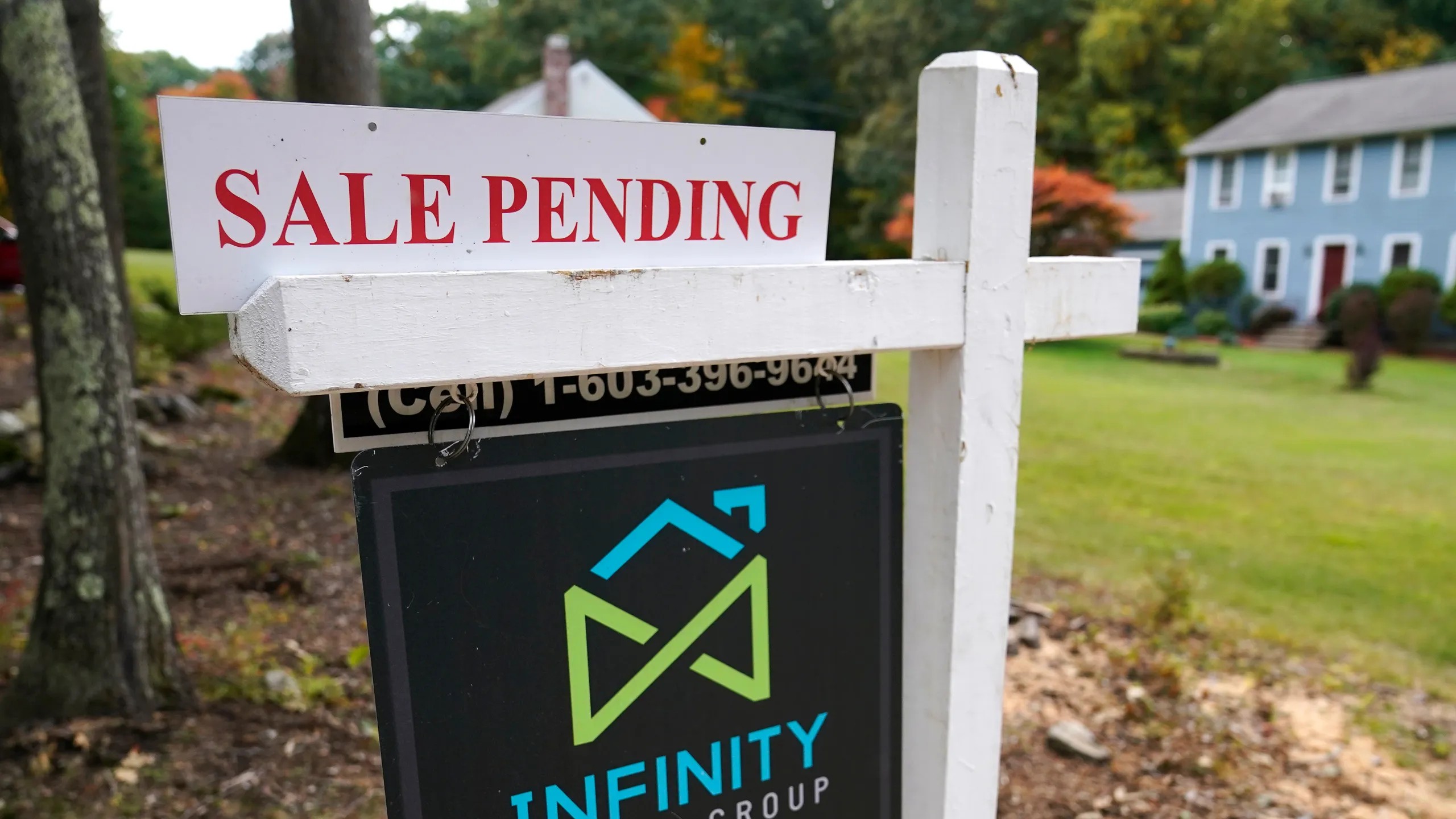
Pending US Home Sales Jump to Highest Level in Five Months
Pending sales of US existing homes rose in August to the highest level in five months, as falling mortgage rates gave a much-needed lift to the sluggish housing market.
An index of contract signings increased 4% last month to 74.7, according to National Association of Realtors data out Monday. The gain exceeded all estimates of economists surveyed by Bloomberg. During the hot housing market of the pandemic era, the index was well above 100.
The bigger-than-expected advance follows a similar surprise in purchases of new homes last month, suggesting the housing market may be in the early stages of breaking free of a years-long slumber. Mortgage rates have fallen to the lowest in a year at 6.34%, encouraging many Americans to get off the sidelines and others to finally list their homes for sale.
“The noticeably larger than anticipated increase in pending-home sales between July and August is a tentative sign that the housing market is beginning to thaw and we haven’t reaped the benefits of the recent slide in mortgage rates,” Ryan Sweet, chief US economist at Oxford Economics, said in a note. “Housing will find its footing and begin to improve more noticeably as the 30-year fixed mortgage rate closes in on 6%.”
By region, pending sales jumped nearly 9% in the Midwest, the most since early 2023. Contract signings also rose in the South and West.
While the drop in mortgage rates is welcome, millions of Americans still have rates well below current levels and aren’t inclined to move, which has suppressed inventory and kept prices elevated.
Meantime, one of the lowest rates of hiring since the early 2010s is keeping a lid on job relocations and housing activity, according to a recent blog post by Odeta Kushi, an economist at title insurance giant First American Financial Corp.
Pending-homes sales tend to be a leading indicator for previously owned homes, as houses typically go under contract a month or two before they’re sold.
Contract closings on existing homes fell slightly in August, and they’ve remained frozen in a lackluster range for the better part of the last two-and-a-half years, NAR data show.
Source : Bloomberg.com








