

Middle East Geopolitics Heats Up, Europe Faces New Pressure
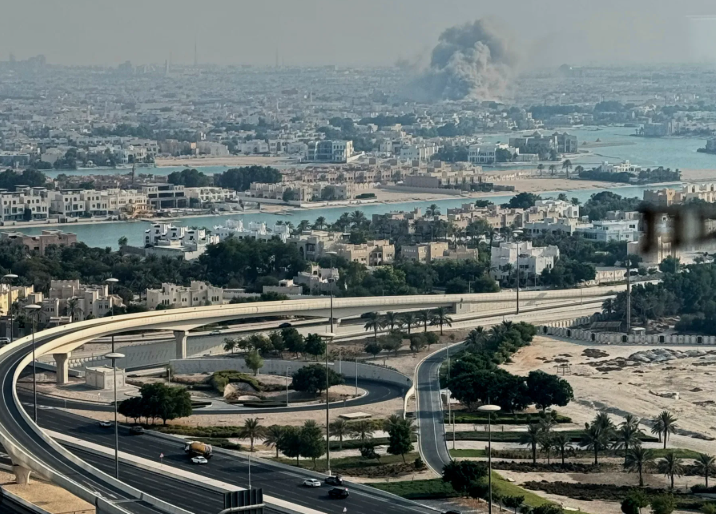
Tensions in the Middle East have escalated again following Israeli military attacks on several targets in Yemen and Qatar, which killed Hamas figures and security officials. This action has triggered a strong reaction from the international community, particularly the European Union, which has begun considering sanctions against Israel, a measure previously difficult to achieve due to political fragmentation within the bloc.
Furthermore, the strategic Red Sea route has once again become a vulnerable point. The Houthi group in Yemen has increased threats against international merchant ships in retaliation for Israeli attacks. This situation worsens global energy security, given that the region is a vital route for oil and gas exports.
Impact on Europe
Energy & Inflation
Europe is highly dependent on external energy imports, particularly oil and gas from the Middle East and North Africa. If tensions continue to escalate, transportation costs and risk premiums will rise, pushing energy prices higher. This could exacerbate inflation, which is already pressuring the European economy following the Ukraine crisis.
Security & Migration
Conflicts in the Middle East have the potential to trigger a new wave of migration to Europe. Countries like Greece, Italy, and Spain are likely to face a larger influx of refugees, which could fuel domestic political tensions and strengthen far-right parties.
Politics & Diplomacy
The European Union is caught in a dilemma: balancing strategic relations with Israel and the US, while facing public pressure demanding a firm stance against human rights violations. This crisis could deepen the EU's internal divisions between pro-Israel and pro-Palestinian states.
Financial Markets
Geopolitical uncertainty is driving European investors to seek safe havens like gold and the US dollar. As a result, the euro could weaken, while energy sector stocks (oil, gas, and defense) are likely to strengthen.
Source: Newsmaker.id








