US Congressional Deadlock Leads to Continued Government Shutdown
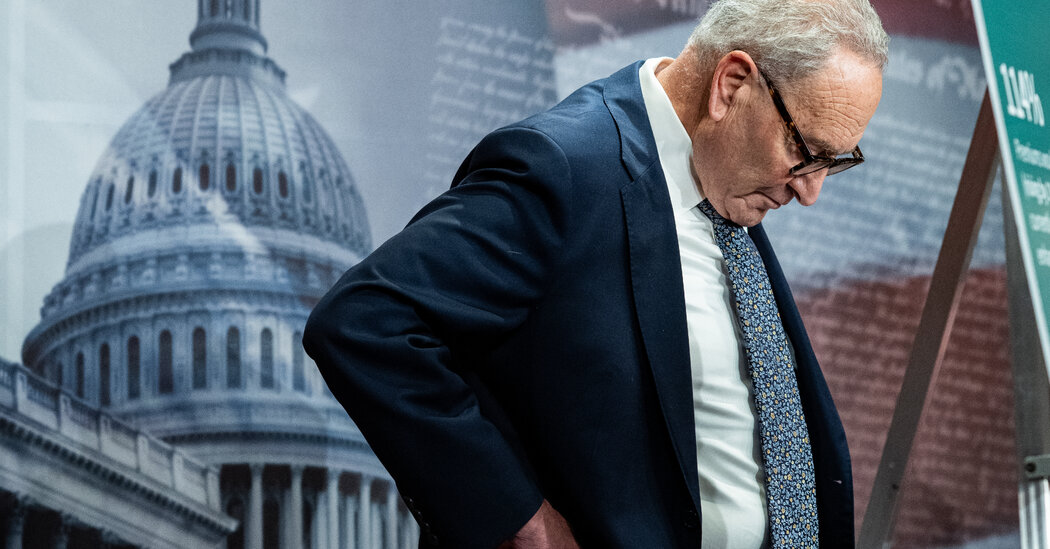
Budget discussions in the United States Congress have reached another deadlock after overnight meetings failed to produce a deal between Republicans and Democrats. This situation has pushed the partial federal government shutdown into its second week, raising concerns about domestic and global economic stability.
The failure to reach an agreement occurred after the Senate rejected two stopgap funding bills proposed by each party. Neither version of the bill received the minimum 60 votes needed to pass the filibuster mechanism. This rejection extended the political deadlock in Washington and deepened fiscal uncertainty ahead of the new funding deadline.
From the executive branch, former President Donald Trump, who now wields significant influence within the Republican Party, expressed openness to dialogue with Democrats regarding healthcare subsidies under the Affordable Care Act (ACA). However, Democratic leaders emphasized that no formal talks had begun, and they refused to link government funding to a broader social policy agenda.
The White House warned that if the shutdown continues, the potential for mass layoffs of federal employees is inevitable. Some government agencies have even begun delaying payroll payments, while infrastructure projects and public research have experienced significant slowdowns. This situation has had a ripple effect on the service sector and domestic consumption, which depend on government activity.
On the legislative side, House Speaker Mike Johnson decided to postpone the plenary session and put members of the House into recess, further slowing the negotiation process. Although several senators from both parties have attempted informal meetings, no compromise draft has been found strong enough to bridge the differences.
The main dispute now centers on healthcare subsidies and the Medicaid program, with Democrats insisting on maintaining these social spending plans while Republicans refuse to link them to government operational costs. This tension has made global financial markets cautious, with investors shifting assets to safe havens like gold and long-term US bonds.
The deadlock in Congress is not only weighing on the domestic economy but is also having a ripple effect on America's major trading partners. International investors are becoming concerned about a potential US economic slowdown that could depress global demand, particularly in the energy and manufacturing sectors. As long as there is no agreement in Washington, this fiscal uncertainty has the potential to be a major driver of market volatility in the coming weeks.
Source: Newsmaker.id