Trump Rules Out Negotiations; US-Iran Peace Remains Elusive
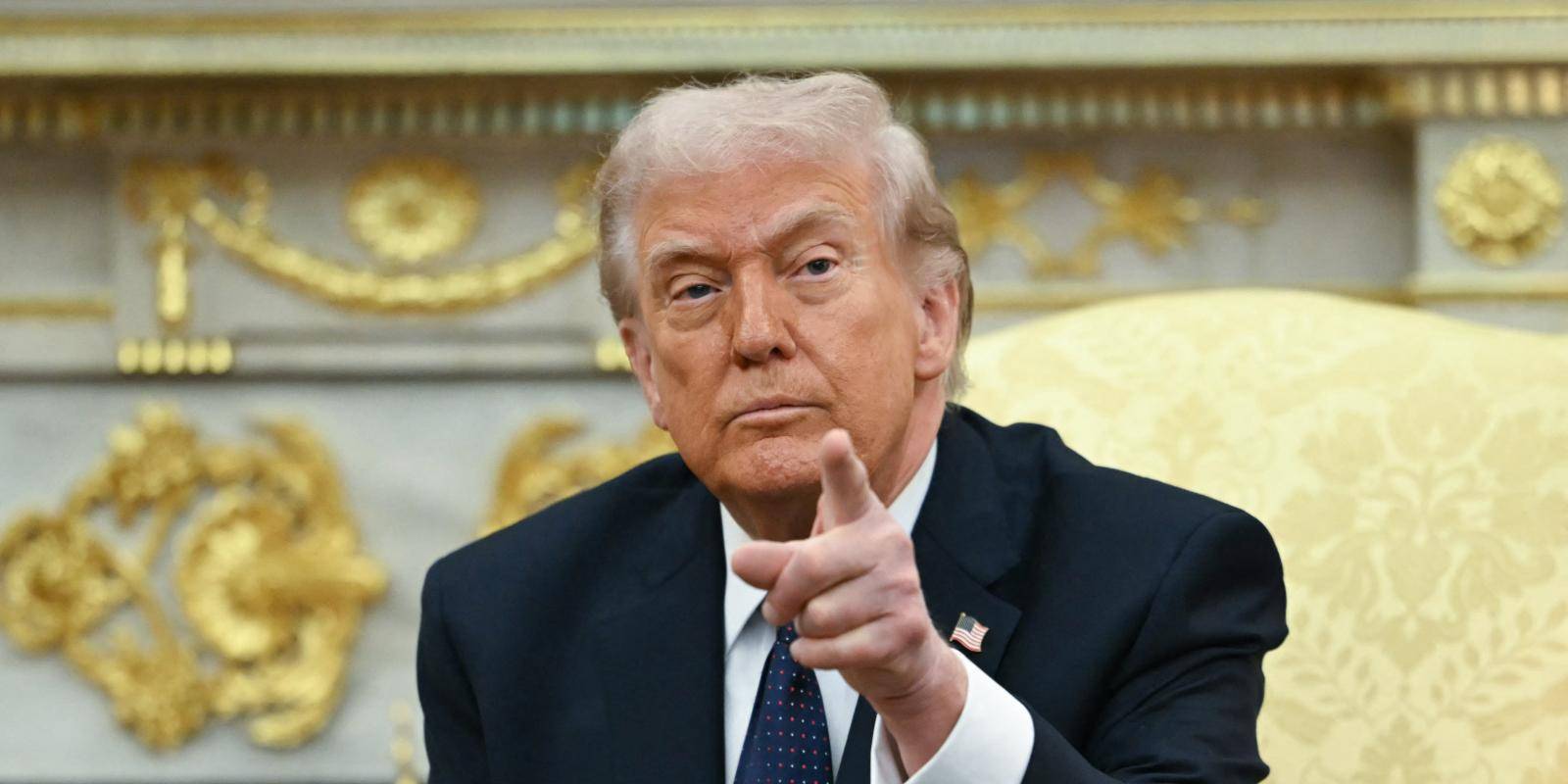
US President Donald Trump has asserted that there are currently no talks or plans for negotiations with Iran. This statement reinforces indications that the Middle East conflict is far from resolution, while the future of the Strait of Hormuz remains a primary source of uncertainty for global energy markets.
Tensions escalated after a US-Iran memorandum of understanding, signed in June, expired without renewal. That agreement had previously provided time for both sides to reach a lasting peace but was repeatedly undermined by clashes and ultimately declared void by both Washington and Tehran.
The Strait of Hormuz has now become the focal point of the dispute. Iran insists the waterway will not reopen until the US lifts blockades on Iranian ports, removes oil sanctions, unfreezes Tehran's assets, and halts its military operations. Meanwhile, Trump continues to demand freedom of navigation and claims the US holds control over the strait.
Security risks are also mounting. Several vessels have reportedly been targeted in recent days, including a ship struck by a projectile while exiting the Strait of Hormuz, resulting in engine room damage and casualties. Shipping activity along the route remains far below pre-war levels.
The conflict is further complicated by ongoing discussions between Iran and Oman regarding a management scheme for the Strait of Hormuz that excludes direct US involvement. Simultaneously, Israel has resumed strikes against Hezbollah targets in Lebanon and Hamas in Gaza, while Yemen's Houthi rebels have intensified attacks on vessels in the Red Sea. These developments suggest a growing risk of the conflict spreading across multiple fronts.
Newsmaker Analysis: The absence of US-Iran negotiations diminishes the likelihood of the Strait of Hormuz reopening in the near future. This situation is likely to keep oil prices elevated, as markets continue to factor in the risk of supply disruptions. Gold also has the potential to gain safe-haven support if tensions escalate, while the dollar could strengthen due to demand for safe assets; however, a surge in oil prices and higher inflation could further complicate the direction of Federal Reserve policy.
Source: Newsmaker.id