Oil Prices Rise as Standoff Over Strait of Hormuz Heats Up Again
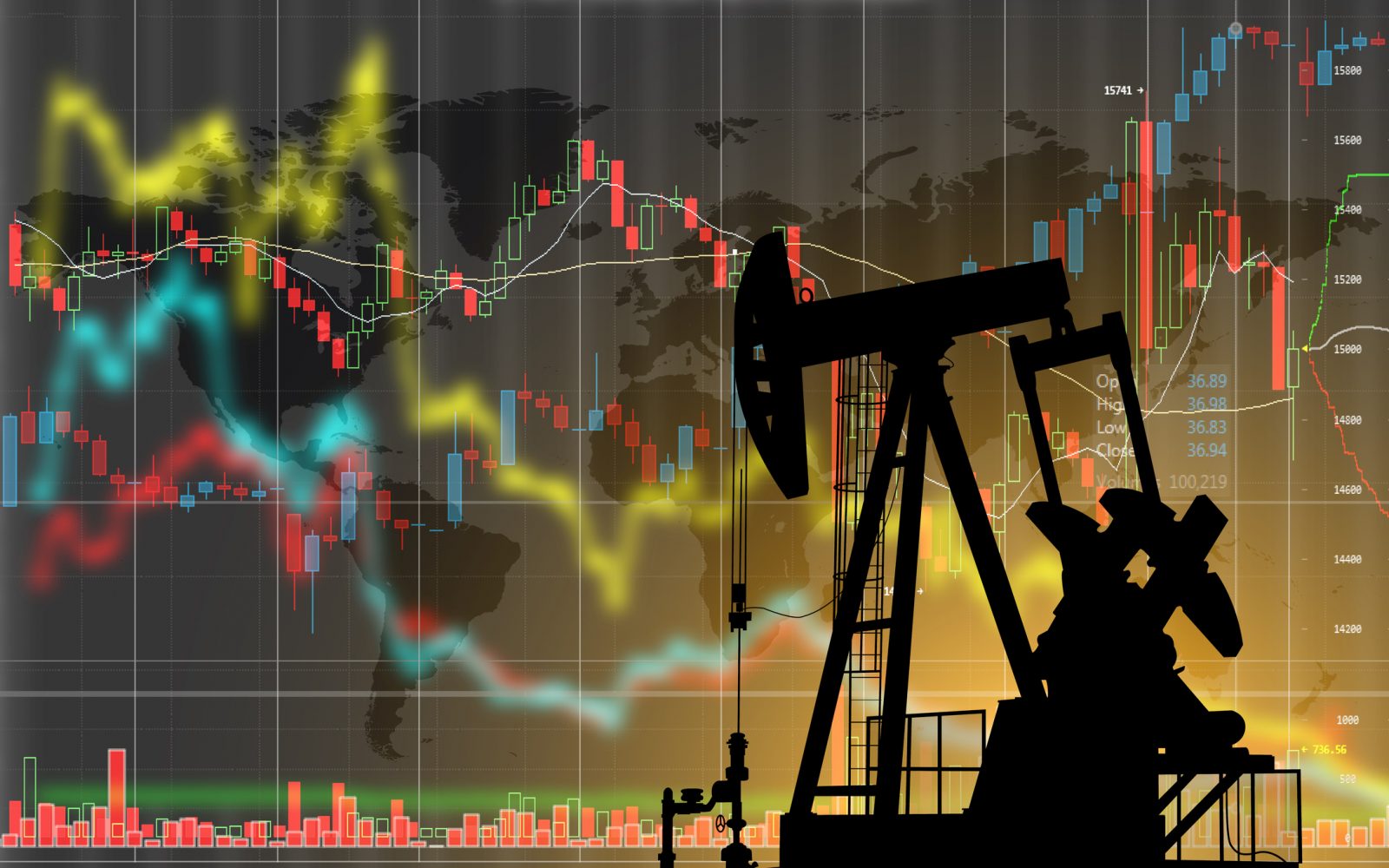
Oil prices surged again during Monday's trading as tensions between the United States and Iran regarding the Strait of Hormuz escalated. Brent crude for October delivery rose approximately 2.5% to US$90.68 per barrel, while WTI gained about 2.7% to reach US$83.64. These gains extend the rally from last week, during which both benchmarks posted increases of over 5%.
Market sentiment intensified after President Donald Trump reiterated that the United States maintains "full control" over the Strait of Hormuz through a naval blockade of Iranian ports. Washington had previously threatened to maintain this blockade indefinitely should Tehran fail to meet U.S. demands.
Tensions mounted further after Trump issued threats against Oman, warning of consequences if the country were to obstruct U.S. blockade operations. Oman is currently engaged in talks with Iran regarding a framework for managing the Strait of Hormuz, though Washington is not a party to these negotiations.
Concurrently, a memorandum of understanding between Washington and Tehran, established in mid-June, officially expired on Monday. The agreement had effectively lost its impact as early as July, and Trump has stated he has no intention of renewing it, thereby diminishing hopes for a near-term diplomatic solution.
Iran continues to assert its control over the Strait of Hormuz and has outlined several conditions for fully reopening the waterway, including a cessation of hostilities and the unfreezing of Iranian assets. The conflicting stances of the two nations keep the risk of disruption to one of the world's most critical energy corridors high.
Newsmaker Analysis: Brent’s rise above US$90 indicates that the market is once again pricing in a geopolitical risk premium following the deadlock in U.S.-Iran diplomacy. As long as the Strait of Hormuz remains disrupted and the U.S. blockade persists, oil prices are likely to maintain their upward momentum. However, the rapid pace of the rally also raises the risk of profit-taking should signs of compromise emerge or shipping traffic through the strait increase.
Source: Newsmaker.id