Houthi Attacks Saudi Tankers, Red Sea Becomes New Oil Hotspot
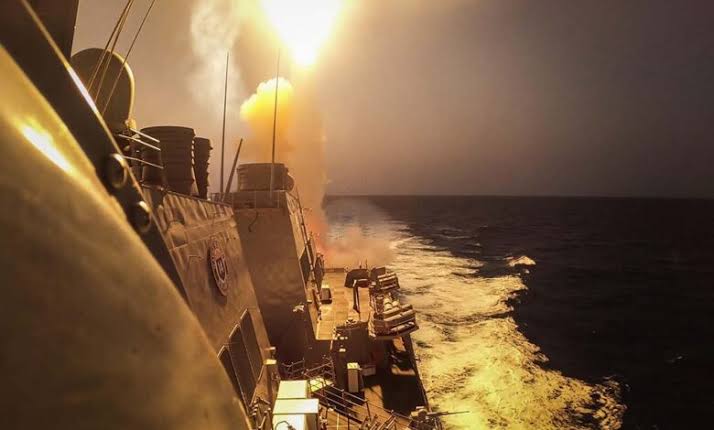
The Iran-backed Houthi group in Yemen claims to have attacked two Saudi oil tankers in the Red Sea. The two vessels, identified as the Encelia and Layla, are said to have violated a naval blockade on Saudi-linked shipping. The attacks were carried out with missiles and drones, according to recent reports from several international media outlets.
Houthi military spokesman Yahya Saree said the attacks were part of the group's implementation of the blockade decision announced earlier. UK Maritime Trade Operations (UKMTO) also received reports of a tanker being hit by an unknown projectile and catching fire in the Red Sea, approximately 70 nautical miles from Al Shuqaiq, Saudi Arabia.
The official Saudi news agency reported that the Saudi-owned vessel, the Encelia, was targeted while sailing in the Red Sea and experienced a fire in the forward section. All crew members are reported safe, and authorities are taking precautions to protect the ship, crew, and the marine environment.
Recent updates indicate that the impact of the attacks is beginning to be felt in shipping lanes. Reuters reported that several ships began changing routes in the Red Sea after the Houthi threat escalated. Some tankers even diverted to the Suez Canal, while the European Union's Aspides mission advised ships to limit tracking signals and avoid the Red Sea and Gulf of Aden.
This attack exacerbates global energy risks, as the Red Sea is a vital waterway, especially as oil flows through the Strait of Hormuz are also disrupted by the US-Iran conflict. If more ships avoid the Red Sea, shipping and insurance costs could potentially rise, while energy trade transit times could be lengthened.
As a result, oil prices are likely to remain sensitive to any developments in the Red Sea and the Strait of Hormuz. If the Houthi attacks continue, the market could reintroduce a supply risk premium, potentially leading to volatility in Brent and WTI. This could also increase global inflationary pressures, support the US dollar as a safe haven, and cause gold to fluctuate following changes in geopolitical sentiment. (asd)*
Source: Newsmaker.id