Iran Prepares Retaliation, Oil Prices Rise
Iranian Foreign Minister Abbas Araghchi warned that Tehran would retaliate against any attack on its infrastructure. This statement came after United States President Donald Trump threatened to bomb Iranian bridges or power plants if ships in the Strait of Hormuz were attacked again.
Araghchi emphasized that Iran's protectionist doctrine is clear: "an eye for an eye." According to him, any aggression against Iran, including against infrastructure, will trigger a strong and decisive response. He also said that the United States' threats will only lead to an escalation of war.
A similar warning was issued by Iran's chief negotiator and Parliament Speaker, Mohammad Bagher Ghalibaf. He said that if Iran cannot export its oil, then no other country in the region can.
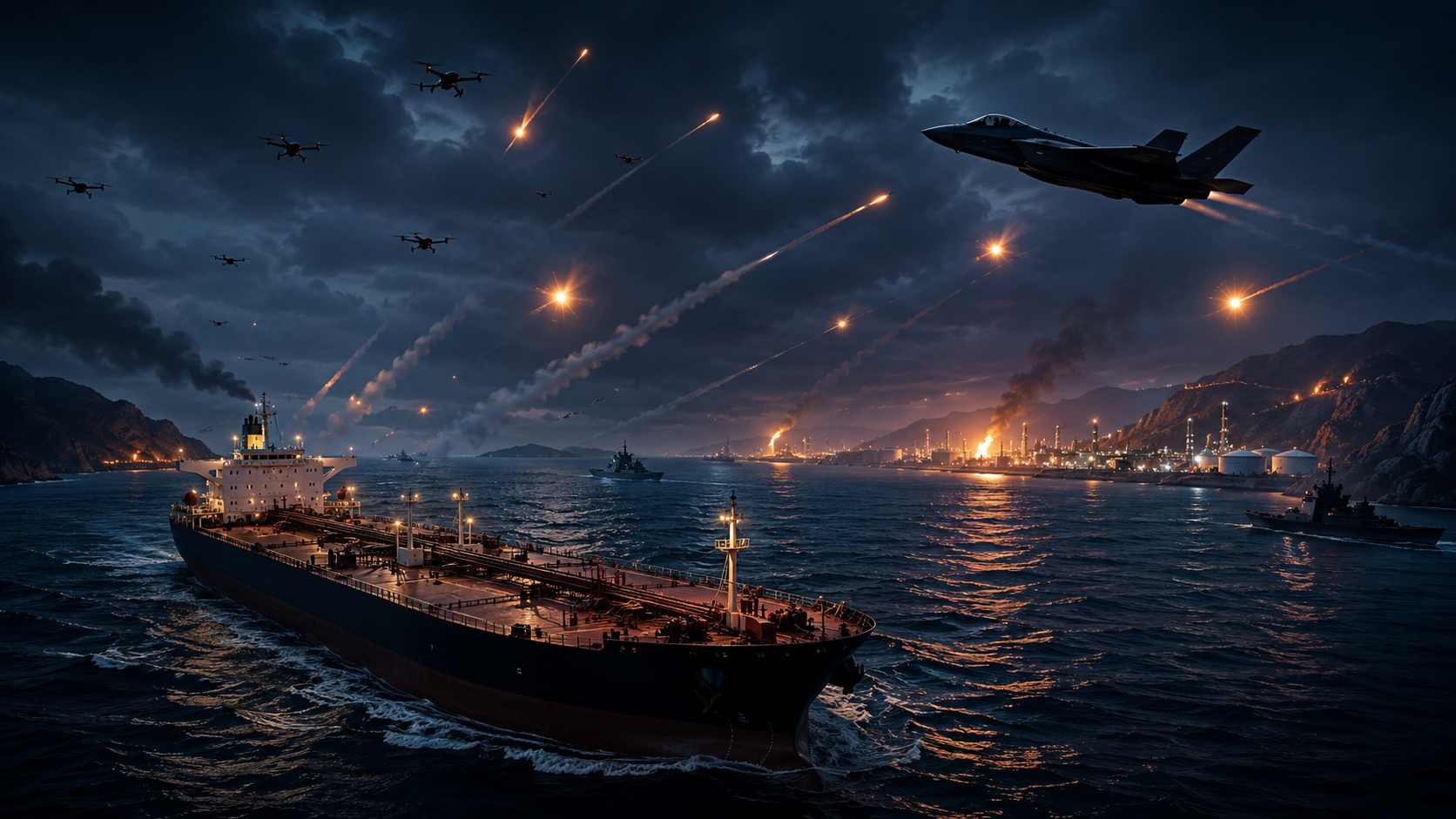
Tensions in the region escalated after Iran's Revolutionary Guard Corps (IRGC) announced that one of three oil tankers caught fire following an explosion south of the Strait of Hormuz. The Iranian military also emphasized that no tanker will be allowed to enter or exit the vital waterway without coordination with Iran.
Meanwhile, the Kuwaiti military said it had intercepted a hostile drone after being targeted by Iranian attacks in recent days. Meanwhile, Iran's semi-official Mehr media outlet reported that a location near Ahwaz was hit by a US missile attack.
In terms of market impact, the threat of Iranian retaliation and tensions in the Strait of Hormuz have the potential to keep oil prices high. At 6:27 a.m. Western Indonesian Time (WTI), WTI rose 3.35% to US$87.05 per barrel. If the escalation continues, the risk of energy supply disruptions could increase, driving global inflation, pressuring risk assets, and making the US dollar and gold more volatile. (asd)*
Source: Newsmaker.id