Hormuz Tanker Traffic Slows, US-Iran Conflict Renews Pressure on Oil Market
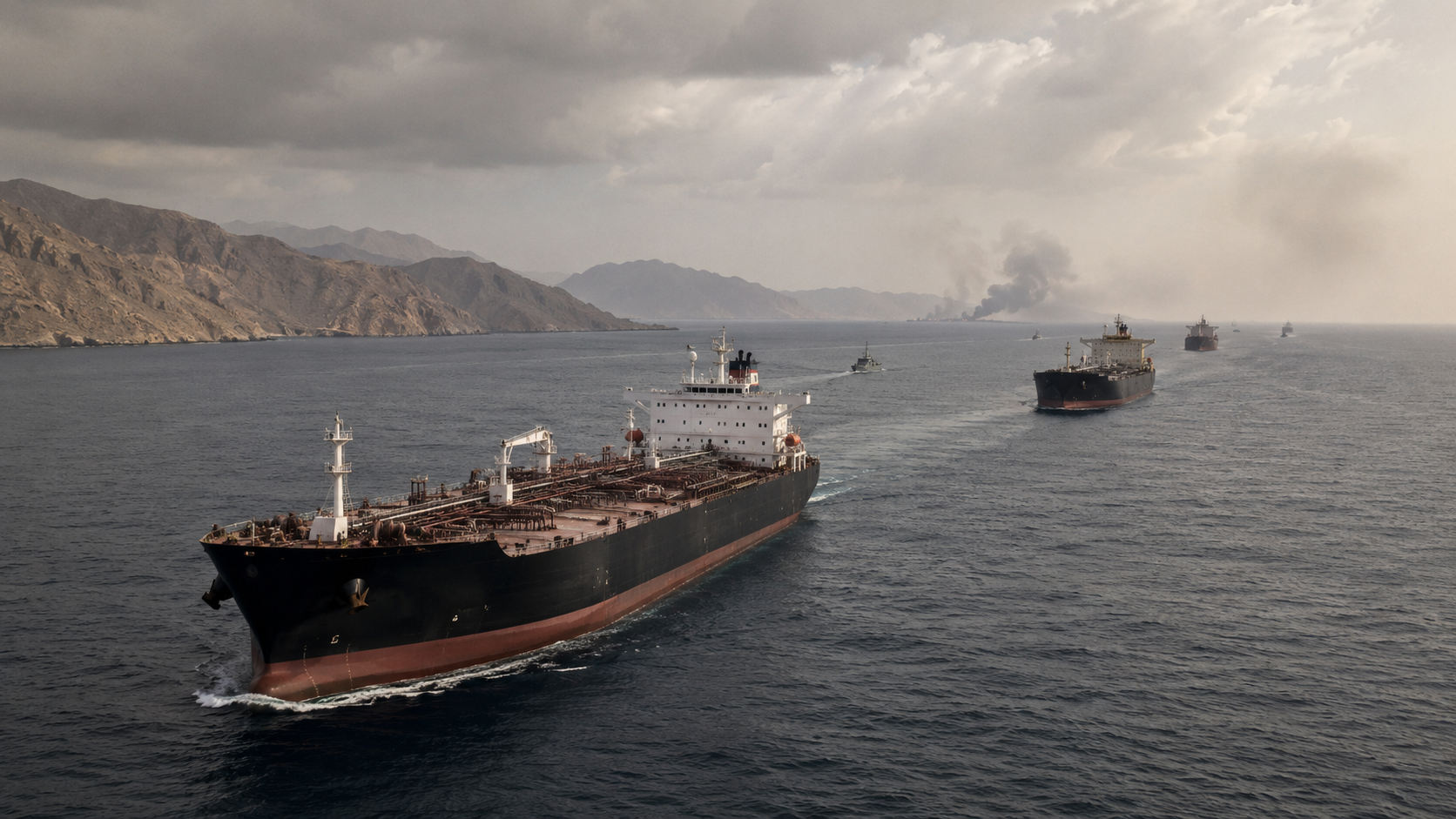
Daily tanker traffic in the Strait of Hormuz slowed on Friday (July 10th). This comes after the United States and Iran launched renewed attacks this week, reinforcing the dispute over control of the vital waterway.
The latest attacks have renewed concerns about the recovery of oil supplies and global shipping. This situation also indicates that the temporary ceasefire between the US and Iran remains fragile, even though both sides are still working to reach a long-term agreement.
Oil prices did weaken on Friday (July 10th), but are still on track for a weekly increase of around 4% to 5%. This increase reflects the market's continued risk premium due to tensions in the Gulf region.
The International Energy Agency (IEA) reported that global oil supplies rose by 4.1 million barrels per day in June after shipments through the Strait of Hormuz resumed. However, this remains 9.4 million barrels per day below pre-war levels.
The IEA also warned that diesel and gasoline supplies remain limited. According to the agency, refineries have been slower to respond to the reopening of the Strait of Hormuz than to movements in crude oil prices.
Before the war, the Strait of Hormuz handled about a fifth of global oil supplies. However, since the conflict began, Tehran has largely taken control of the waterway, bringing the confrontation with the United States to a stalemate.
In an interim agreement, the US ended its naval blockade of Iranian ports. Meanwhile, Iran agreed to guarantee the security of commercial shipping. However, tensions escalated again after Washington accused Iranian forces of attacking three tankers in the region.
In response, the US attacked several military sites on Iran's southern coast and eastern provinces. Iran has not claimed responsibility for the tanker attacks, but analysts believe Tehran often uses such pressure to strengthen its negotiating position.
Iran retaliated by attacking several US military facilities in the Gulf states on Thursday. Washington stated its aim was to keep the Strait of Hormuz open and asserted that Iran does not control the waterway. However, Tehran warned that the opening of the Strait of Hormuz would only be on Iran's terms.
The attacks on three Qatari and Saudi vessels prompted US President Donald Trump to declare that the ceasefire was "over." However, a US official later stated that Washington remained committed to finding a solution with Iran, while technical talks continued. The New York Times also reported that Qatar was participating in negotiations with Washington and Tehran to defuse the crisis.
Before this week's attack, daily tanker traffic had risen to its highest level since the war began, with an average of 40 vessels transiting the Strait of Hormuz. However, that figure remains far below pre-conflict levels, which typically reached 125 to 140 voyages per day.
From a market perspective, the slowdown in tanker traffic in the Strait of Hormuz keeps oil prices vulnerable to volatility. If shipping disruptions continue, the risk of rising oil prices and energy inflation could rise again. This could potentially support the US dollar, pressure risk assets, and make the market more cautious about the Fed's interest rate stance. (yds)
Source: Newsmaker.id