US House Discusses Repealing Canada Tariffs, But Trump Remains in Control
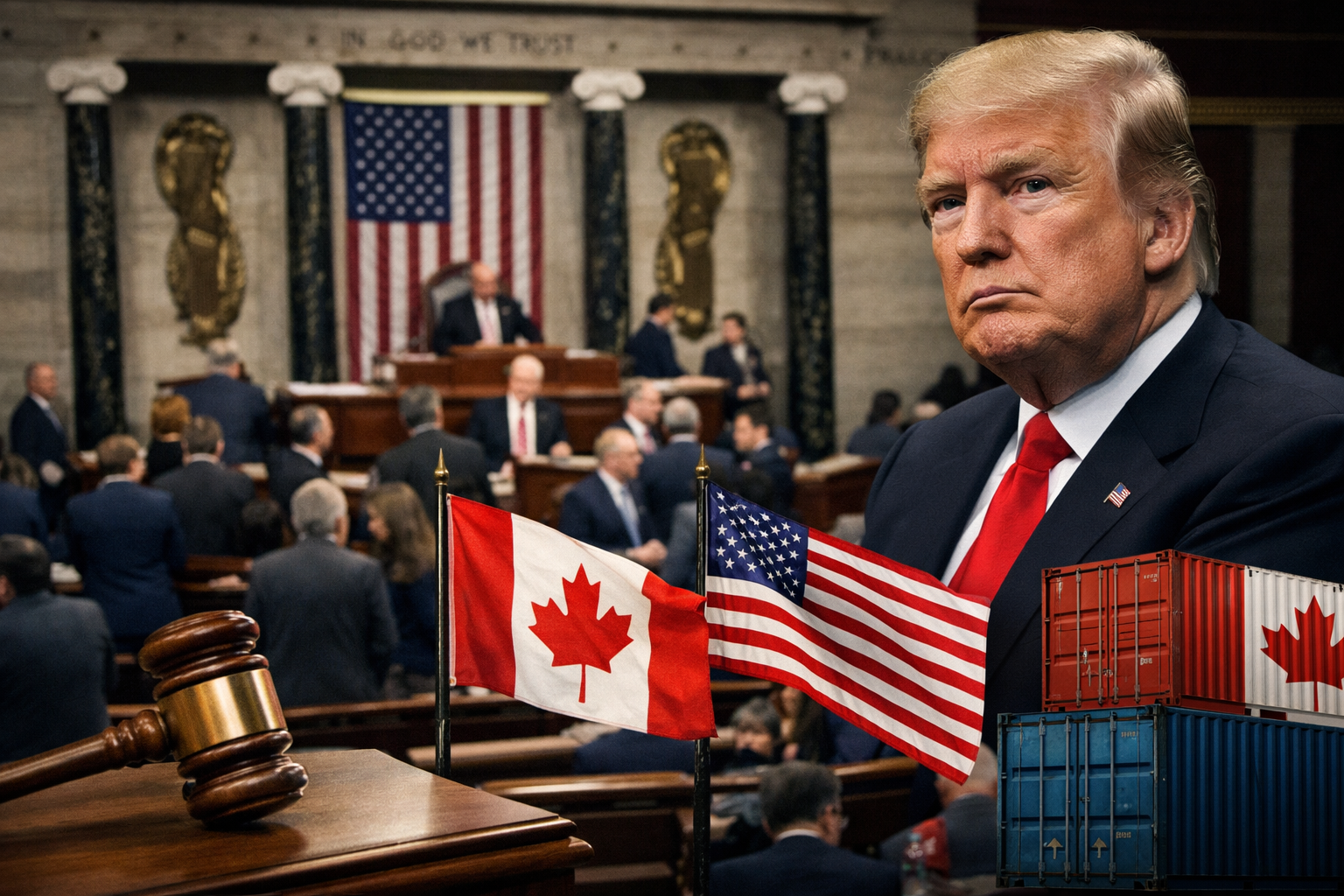
The US House of Representatives (House of Representatives) is scheduled to vote on Wednesday (February 11th) on whether to repeal some of President Donald Trump's tariff policies. The vote comes amid heated political tensions ahead of the midterm elections, when the cost of living and price pressures are top of mind.
The vote was triggered by House Speaker Mike Johnson's failure on Tuesday night to halt the vote. Johnson, a key Trump ally in Congress, has been working for months to preserve the president's latitude on tariff policy by pushing for procedural rules that make it difficult for the House to revoke the president's tariff authority. Johnson's latest effort aimed to extend the "lockdown" until the end of July.
However, the delay was rejected by Democrats, with three Republicans voting to defect. The three Republicans are Thomas Massie (Kentucky), Kevin Kiley (California), and Don Bacon (Nebraska). Their stance highlights the internal rifts within the Republican Party as tariffs begin to be perceived as a political risk in their respective constituencies.
Don Bacon emphasized that Congress should be able to have an open debate on tariffs. He believes tariffs have been a “net negative” for the economy and, in practice, function like an additional tax on American consumers, producers, and farmers. This statement reinforces the narrative that trade policy is now directly intertwined with affordability issues.
The House Democratic leadership announced that the chamber would begin with a resolution drafted by Gregory Meeks (New York) to repeal Trump’s tariffs on Canada, announced in February 2025. Democrats have used tariffs as a campaign weapon, claiming they contribute to inflation and exacerbate the cost-of-living crisis.
In the Senate, a similar dynamic is already evident. Several Republican senators have previously openly opposed certain tariff policies, including by passing measures to end emergency global tariffs and tariffs on certain countries. If the House passes a similar measure—especially given the relatively slim Republican majority—the result would be a powerful political rebuke, though its effect could be more symbolic than direct policy change.
Even if the House approves the tariff repeal, the joint resolution must still become law: signed by the president or overridden by a two-thirds vote in both chambers. In other words, Wednesday's vote has the potential to become a political battleground over tariffs, but it won't necessarily force the White House to back down.
Source: Newsmaker.id