Trump Prepares Sweeping Economic Pressure on Iran, Warns Countries Helping Tehran
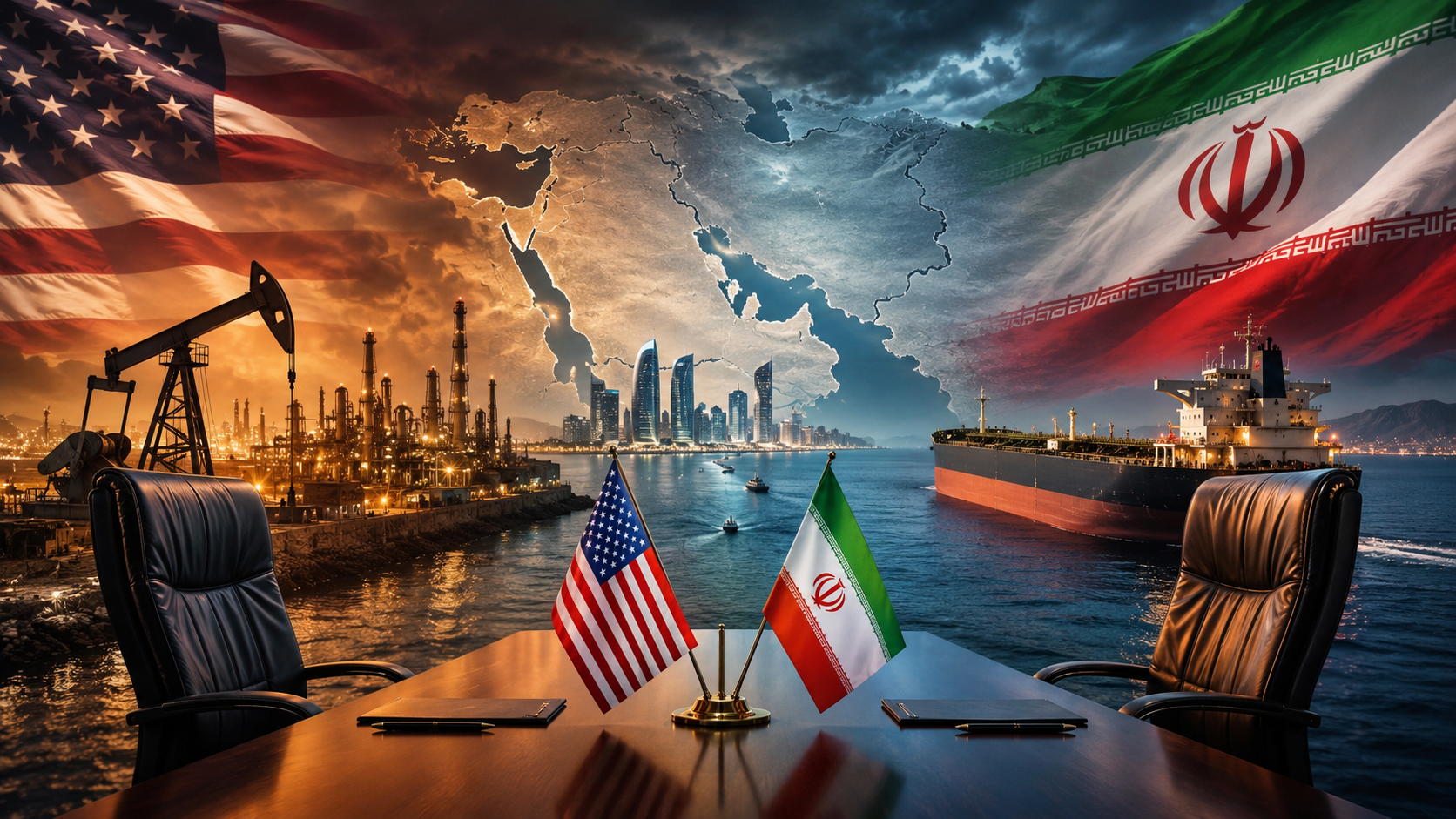
US President Donald Trump said Washington will launch what he described as one of the most aggressive economic pressure campaigns ever imposed on Iran. The measures include threats of severe financial consequences for countries, companies, financial institutions, airports, or government entities that are seen as helping Tehran evade international sanctions.
In a Truth Social post, Trump described the policy as “economic warfare and isolation” on an unprecedented scale. He said Iran had been given an opportunity to reach an agreement with the United States but failed to take it. Trump also claimed that Iran’s military capabilities and defense production facilities had been heavily damaged, while pressure on the country’s currency had intensified.
Washington is now targeting a wide range of channels believed to provide Iran with continued access to economic resources, including oil smuggling, currency swap arrangements, cash transfers, exchange houses, ship registries, and front companies. Trump reiterated that the United States would not allow Iran to acquire a nuclear weapon. The move extends the Trump administration’s broader economic pressure campaign aimed at cutting off Tehran’s international revenue and financing networks.
Iran has rejected the strategy. Foreign Minister Abbas Araghchi said the escalation of sanctions could make a diplomatic resolution more difficult. Tensions also intensified after the United Arab Emirates suspended trade and financial dealings with Iran following allegations that two Iranian ballistic missiles were fired at its territory. Tehran denied responsibility and called the allegation a false-flag claim. Before the war, the UAE was one of Iran’s most important trading partners and accounted for more than 30% of the country’s imports in 2024.
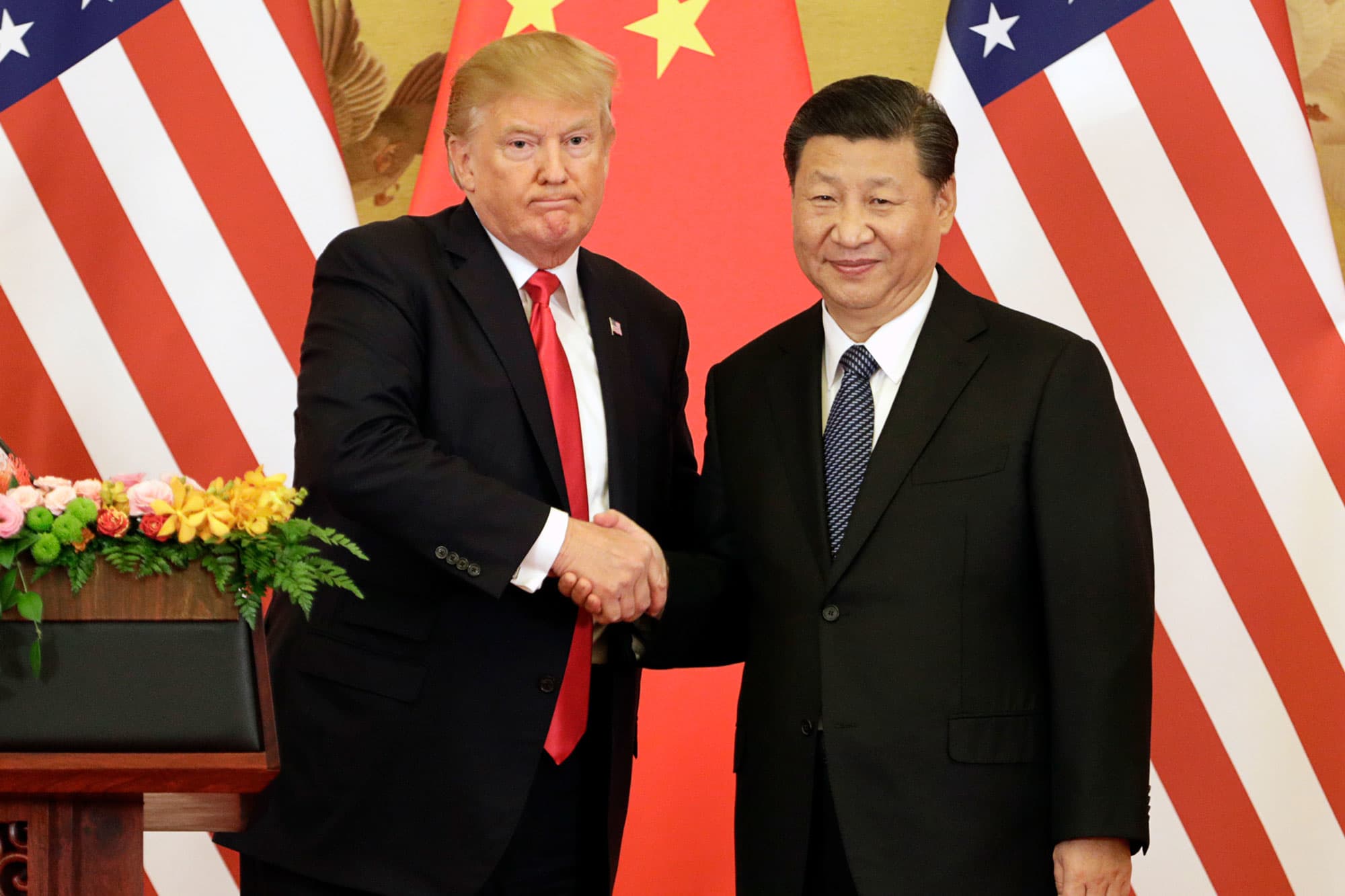
Market attention is also turning to China, which has some of the deepest trade, logistical, and financial ties with Iran. Bob McNally, president of Rapidan Energy Group, said the effectiveness of Washington’s pressure will depend heavily on Beijing’s response. He added that sanctions alone may not significantly move oil prices unless Iran responds with military escalation or further restricts shipping in the region.
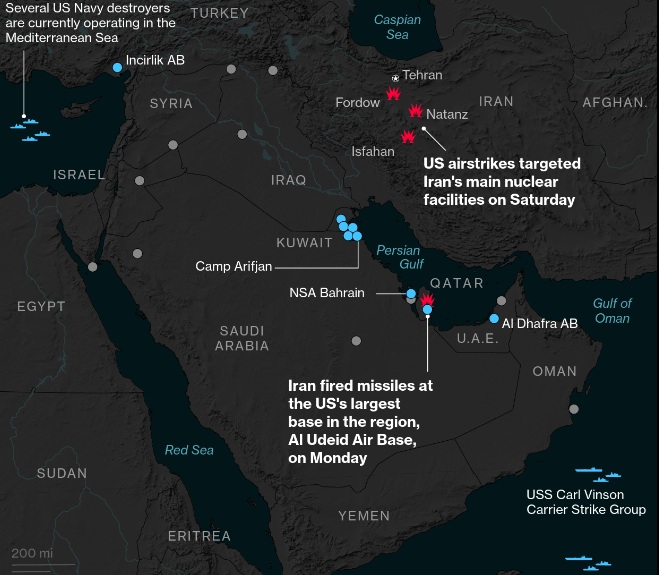
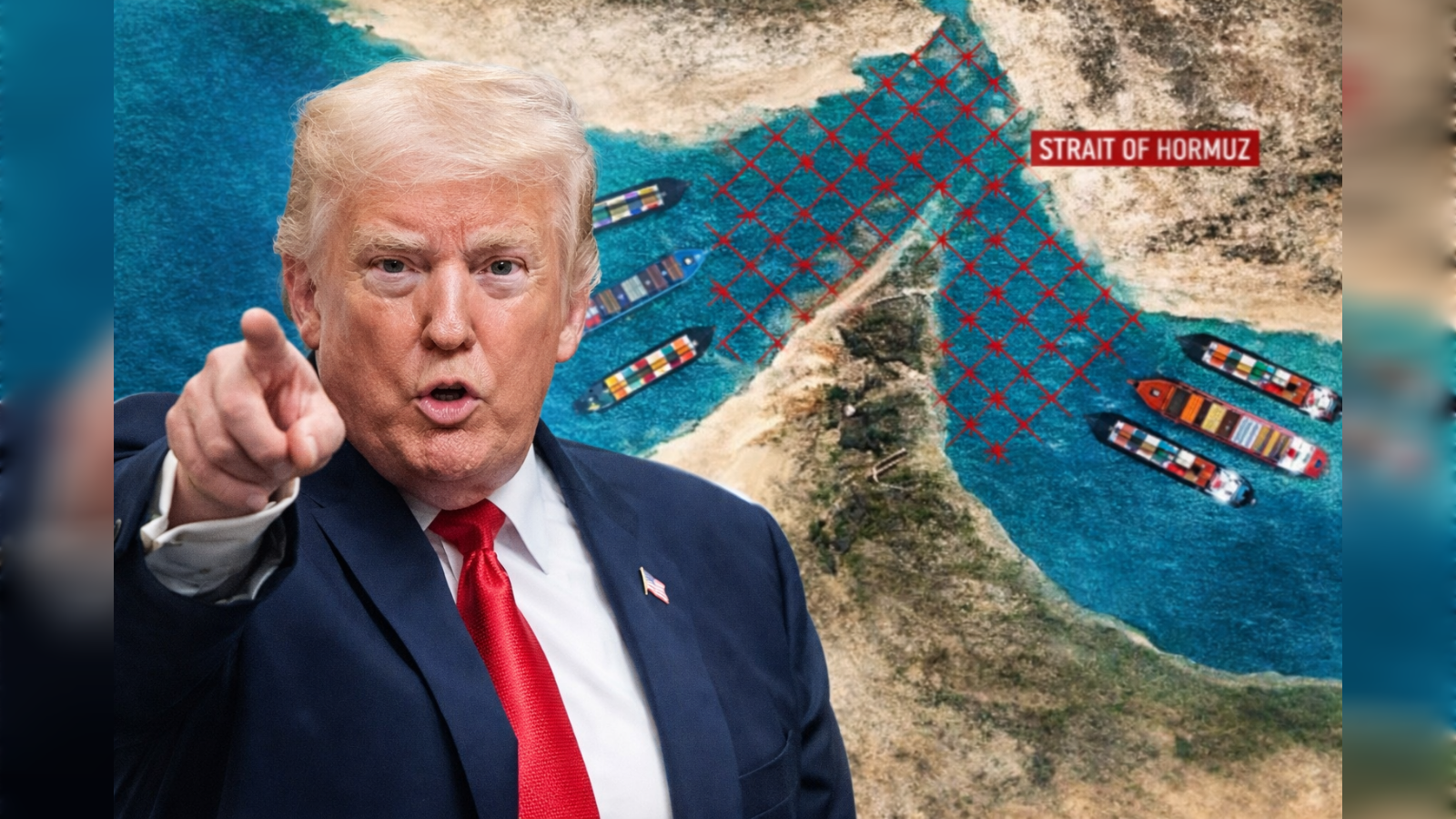
Meanwhile, vessel traffic through the Strait of Hormuz remains well below pre-war levels. Preliminary data from Lloyd’s List Intelligence showed around 73 vessel transits in the week ending Aug. 16, down from 91 the previous week. Threats to commercial shipping and the US naval blockade of Iranian ports have kept many operators away from the strategic waterway, leaving global energy markets highly sensitive to further developments in US-Iran tensions.(mrv)
Source : Newsmaker.id