US-Iran Tensions Heat Up; Europe Could Become a New Front
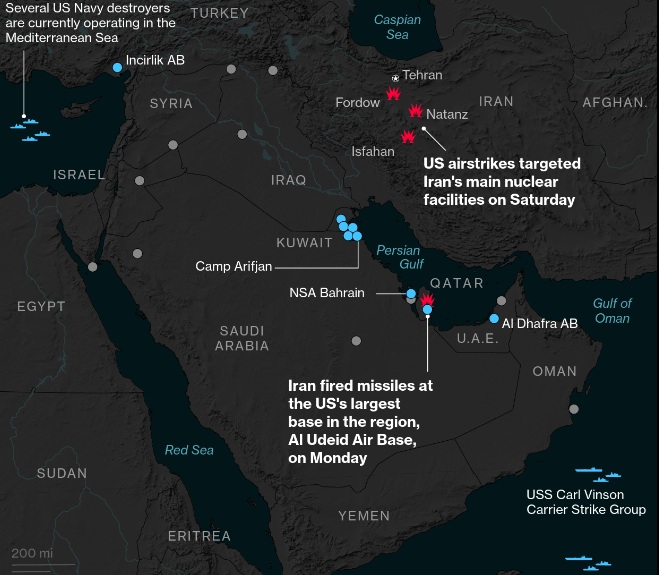
Tensions between the US and Iran have escalated again following a *Financial Times* report that Tehran had considered striking US military targets in Europe should the conflict intensify further. Citing two sources within the Iranian government, the report stated that American assets in Bulgaria and Cyprus were among the targets under consideration. This information has not been independently verified by CNBC.
The emergence of options for attacks outside the Middle East suggests the conflict could enter a broader phase. Negotiations between Washington and Tehran to end the hostilities remain deadlocked, with no signs that talks will resume anytime soon.
Pressure on Iran has also mounted after the United Arab Emirates announced a temporary halt to all trade, commercial exchanges, and financial transactions with Tehran. The decision followed reports from the UAE of two ballistic missiles launched from Iran toward its territorial waters. Both missiles reportedly fell into the sea without causing casualties or damage, while Iran denied targeting the UAE.
Meanwhile, US President Donald Trump emphasized that Washington is not holding talks with Iran and has no plans to restart negotiations in the near future. Trump also declined to extend a 60-day ceasefire agreement that expired earlier this week, further diminishing the prospects for a diplomatic resolution.
The Strait of Hormuz remains a focal point of the dispute. Trump has repeatedly stated that this energy shipping lane is open and under US control. However, observed vessel traffic remains very low, and a previous attack on a cargo ship passing through the Strait reportedly resulted in one fatality. Harsh rhetoric from the Iranian military regarding vessels attempting to transit the area has further heightened concerns about the security of this strategic energy route.
Newsmaker Analysis: If the conflict were to expand to include US targets in Europe or other Gulf nations, global "risk-off" sentiment could intensify sharply. Oil prices could see an added risk premium due to threats surrounding the Strait of Hormuz, while gold may once again be sought after as a safe-haven asset. However, a surge in oil prices could also heighten inflation concerns and drive bond yields higher, potentially leading to increased volatility in gold's performance. For global markets, these developments raise the risk that the US-Iran conflict could escalate beyond the Persian Gulf into a much broader geopolitical crisis. (arl)
Source: Newsmaker.id