Iran's Diplomacy Tested by Revenge Pressure
Iran's chief negotiator, Mohammad Bagher Ghalibaf, defended diplomatic efforts to end the war, amid pressure from hardliners urging the government to abandon the interim peace deal and avenge the death of Iran's supreme leader.
Ghalibaf emphasized that negotiations do not constitute compromise or surrender. He stated that diplomacy, along with military force, is part of Iran's resistance strategy and a way to safeguard Iran's national interests.
This statement comes amid growing divisions between pragmatists and hardliners in Iran. Pragmatists want to promote economic recovery and see diplomacy as a solution, while hardliners believe negotiations only buy time for the US to strike again.
Pressure on diplomacy intensified following the funeral of former Supreme Leader Ayatollah Ali Khamenei. Several hardliners called for revenge and urged the government to prioritize punishment for those deemed responsible, over economic issues such as the release of frozen Iranian assets.
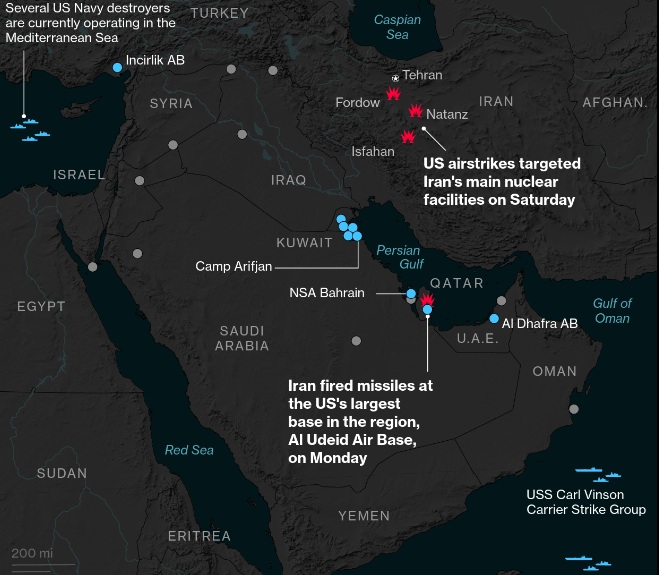
The June ceasefire agreement between the US and Iran is now on the verge of collapse after both sides resumed attacks. The US reimposed a blockade on Iranian ports, while Tehran declared the Strait of Hormuz closed. However, the current intensity of attacks remains lower than at the peak of the previous war.
Impacting the market, political divisions in Iran make the conflict's course increasingly difficult to predict. If hardline groups become more dominant, the risk of escalation in the Strait of Hormuz could increase and keep oil prices high. However, if diplomatic channels remain in place, the market could see the opportunity for a gradual decline in the geopolitical risk premium. (arl)
Source: Newsmaker.id