Trump Ultimatum to Oman Heats Up Hormuz Control Controversy
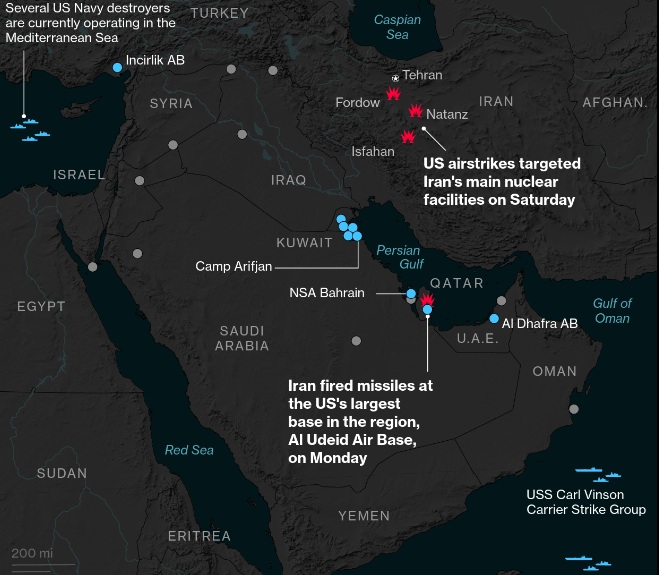
President Donald Trump's threats against Oman, a longtime US ally, have thrust the country, often dubbed the "Switzerland of the Middle East," into the geopolitical spotlight. Situated on the southeastern coast of the Arabian Peninsula and facing Iran in the Strait of Hormuz, Oman has long been known for its role as a mediator in regional crises, including the US-Israeli conflict against Iran.
US Treasury Secretary Scott Bessent warned Thursday that Washington would impose "aggressive" sanctions on Oman if it helps Iran establish a toll system in the Strait of Hormuz, a waterway that typically handles about 20% of global oil traffic. Bessent emphasized that those directly or indirectly involved in facilitating tolls in the strait would be targeted and called on other countries to reject any attempts to disrupt the flow of trade.
The warning came less than 24 hours after Trump, responding to a question about Oman and Iran's control of trade in the strait, made threatening comments about the Gulf partner. Oman has not yet publicly responded, while Iran has previously hinted at the idea of co-managing Hormuz with Muscat, although Oman has never stated it wants to "control" the energy chokepoint.
Several analysts consider the US change in stance toward Oman to be unusual given their close economic and security ties. The Middle East Institute considers Oman's role crucial due to its geography on the western side of the strait and Muscat's traditional policy of keeping trade routes open. Meanwhile, the Bourse & Bazaar Foundation considers this the first time the US has threatened to attack a GCC member state, and argues that practical control of the strait is ultimately determined by geography, regardless of the political mechanisms discussed.
In the US, Trump's comments drew criticism, including from Senator Chris Murphy, who argued that the threat against Oman shows the war is "off track" and risks undermining Oman's role as a mediator. Meanwhile, Reuters reported that the US and Iran have reportedly reached an agreement to extend the ceasefire and ease shipping restrictions in Hormuz, although this is still awaiting Trump's approval, and Iranian state media stated that it is not final. (Arl)
Source: Newsmaker.id