Trump and Iran: Diplomacy at a Crossroads Amid Peace Proposal Standoff
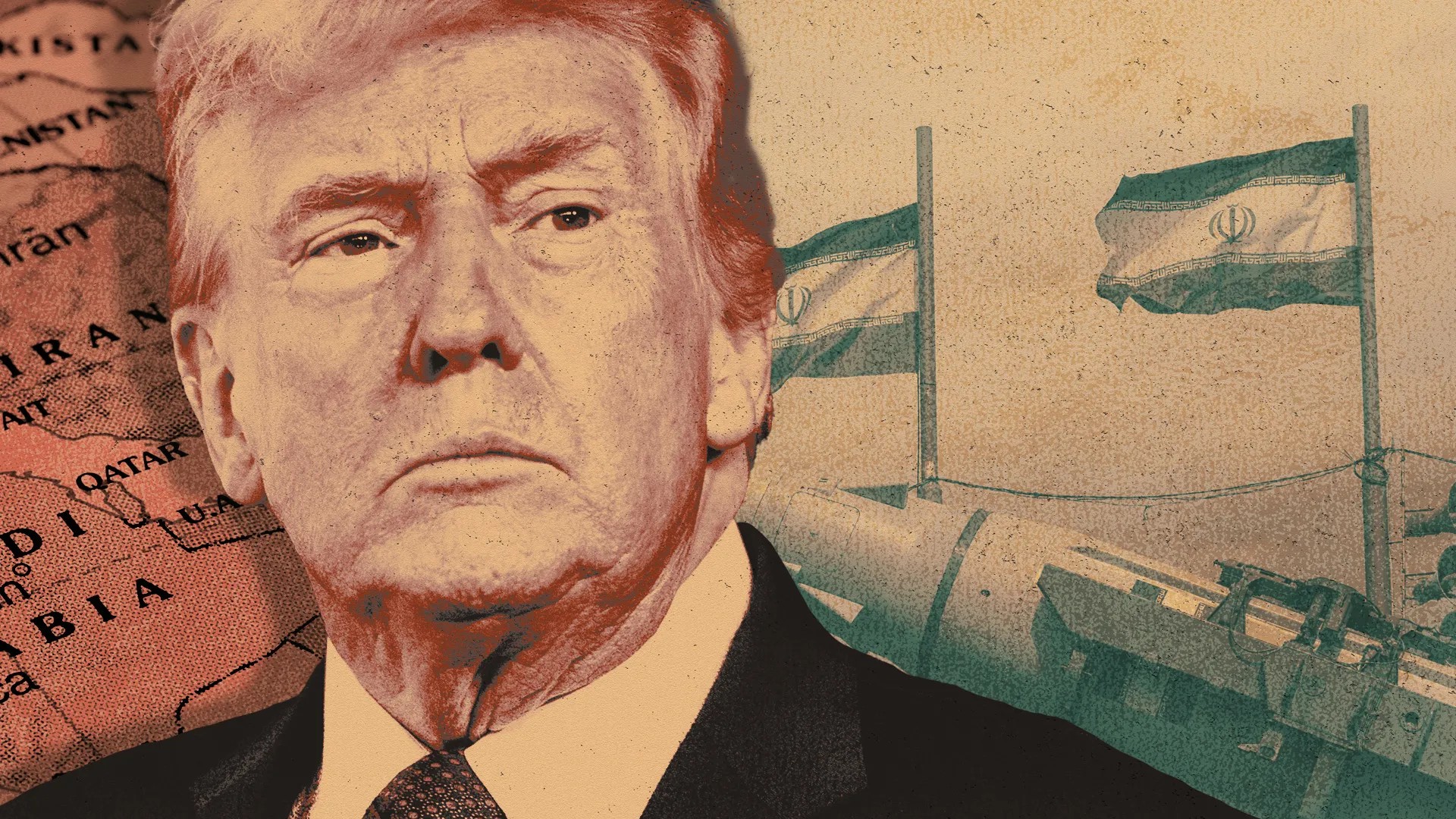
The latest round of U.S.-Iran negotiations is showing tentative progress, but major hurdles remain as both sides navigate a complex path toward a potential peace deal. U.S. President Donald Trump indicated that talks are in their "final stages," while also warning Tehran that failure to agree could lead to renewed military action.
Over the weekend, Iran submitted a revised peace proposal to Washington, calling for an end to fighting on all fronts, reparations for war damages, and mechanisms for control over the critical Strait of Hormuz. The proposal also requested the lifting of U.S. sanctions and the release of frozen Iranian funds. However, the plan did not address Washington's demand for Iran to surrender nuclear stockpiles, a key sticking point for the U.S. administration. Trump promptly dismissed the proposal as "totally unacceptable," emphasizing that the current ceasefire remains fragile and "on life support."
Diplomatic efforts are being supported by regional and international actors. Turkish President Recep Tayyip Erdogan reportedly encouraged dialogue, stating that the conflict can be resolved through negotiations. Meanwhile, mediators from Pakistan are expected to facilitate further discussions over the coming days. Both sides continue to use time as leverage, with the U.S. insisting on strict terms for any reopening of the Strait of Hormuz, and Iran demanding guarantees for its sovereignty and security.
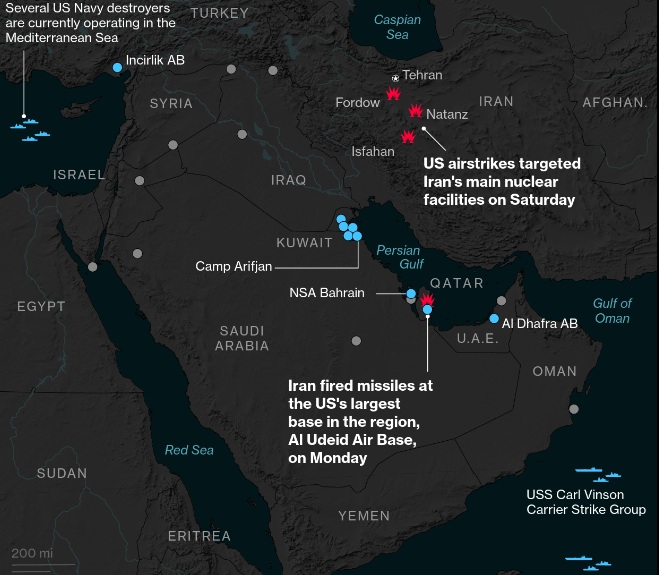
Market reactions have been immediate, with oil prices showing volatility in response to the uncertainty surrounding the negotiations. Traders are weighing the potential impact of a resolution on global oil flows, particularly through the Strait of Hormuz, which has been effectively closed since February. Analysts note that even partial progress toward an agreement could relieve some pressure on global energy markets, though the risk of renewed escalation remains high.
Despite the tension, there are signs that both Washington and Tehran are motivated to avoid a prolonged "no war, no peace" scenario. Iranian sources indicate that the country is open to a preliminary deal that could restore commercial shipping under Iranian oversight while lifting the U.S. naval blockade. Further discussions are expected to tackle the more challenging aspects of sanctions relief and nuclear restrictions.
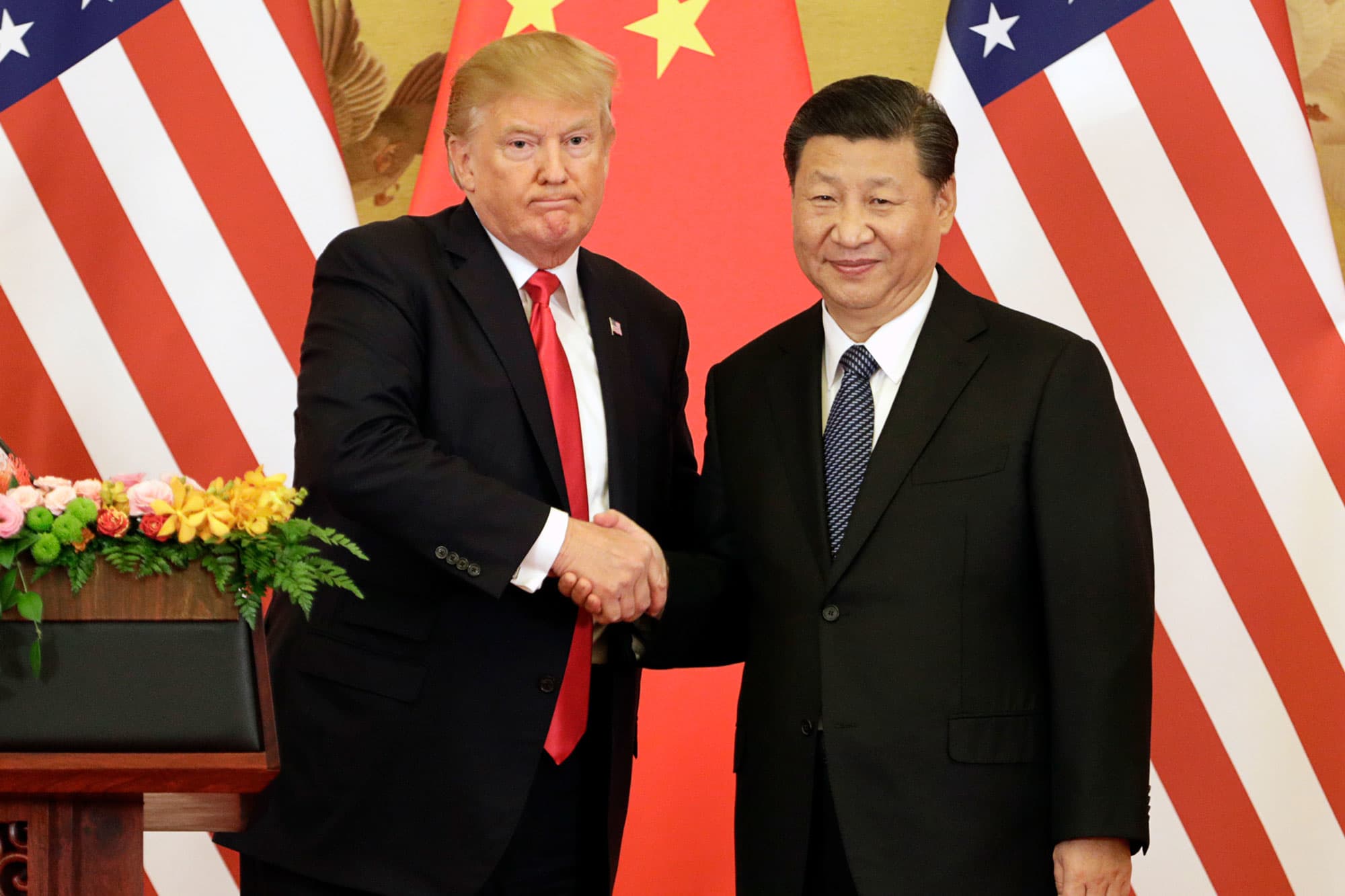
President Trump’s upcoming trip to Beijing adds another layer of complexity, as he is set to discuss Iran, Taiwan, AI, and nuclear issues with Chinese President Xi Jinping. Observers note that the outcome of these diplomatic efforts could shape both regional stability and U.S. energy security, with significant implications for global markets.
Source : Newsmaker.id