Iran Threat Looms Over Energy Markets, Trump Ready to Take Action
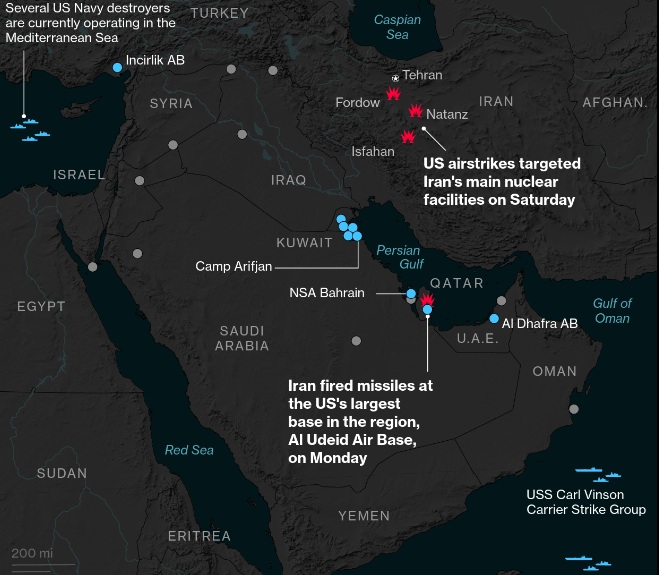
Iran's paramilitary force, the Revolutionary Guard, issued a stark warning on Wednesday (May 20) that the conflict in the Middle East could spill over beyond the region if the United States and Israel continue attacks on Tehran. They asserted that any new aggression would be met with a "devastating blow" in an unexpected place, adding to global geopolitical uncertainty.
Meanwhile, President Donald Trump asserted that the war with Iran could end "very quickly" if negotiations proceed smoothly. However, he kept the US military on alert to strike if a deal is not reached. Vice President JD Vance added that negotiations with Iran are in a "pretty good place," and neither the US nor Tehran wants to restart military operations.
Tensions remain high in the Strait of Hormuz, a strategic waterway that carries about 20% of the world's oil and gas supplies. Since the conflict began in late February, most shipping traffic has come to a near standstill, raising the risk of disruptions to global energy supplies and inflationary pressures in various countries.
Brent crude oil prices for July traded at $110.25 per barrel in the European session, declining slightly after several Chinese and South Korean tankers left the Strait of Hormuz, raising hopes that oil supplies could resume. West Texas Intermediate (WTI) crude traded at $102.75 per barrel. The market is still awaiting US inventory data for further clues on oil stockpiles amid ongoing supply disruptions.
Investors remain cautious, as uncertainty surrounding negotiations and the threat of military escalation could drive volatility in global energy and asset markets. Brent remains well above its pre-war level of around $70 per barrel, indicating that the conflict's impact on energy prices remains significant.
Market participants are now monitoring the official US response to the Iran peace proposal, developments in sanctions, and shipping activity in the Strait of Hormuz. These factors are believed to determine the resilience of energy risk premiums, inflation, and global economic growth going forward. (Arl)
Source: Newsmaker.id