U.S.-Iran Peace Efforts Stalled by Hormuz Issue
The outlook for a U.S.-Iran peace proposal is worsening. After hopes briefly emerged for a deal through a 14-point proposal, Trump has now described Iran’s response as “unacceptable” and said the ceasefire is on “life support,” signaling that it is close to collapse.
The core of the U.S. proposal reportedly asks Iran not to develop nuclear weapons, to halt uranium enrichment for at least 12 years, to hand over around 440 kilograms of 60% enriched uranium stockpile, and to reopen the Strait of Hormuz. In return, the U.S. would gradually lift sanctions, release frozen Iranian assets, and withdraw its blockade of Iranian ports.
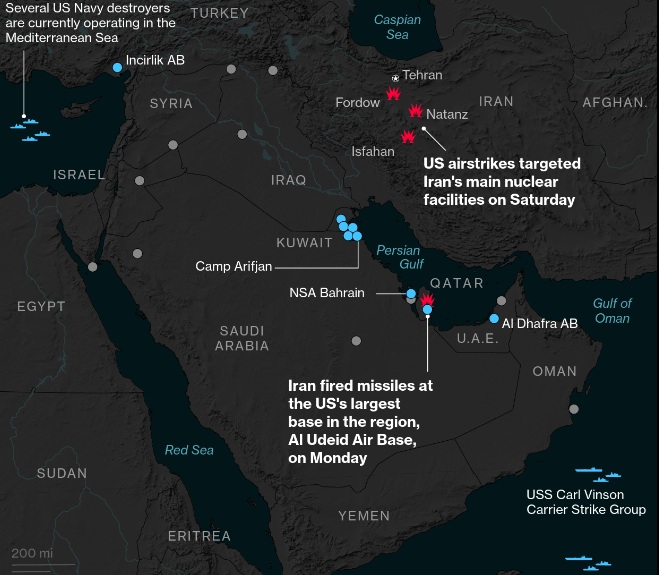
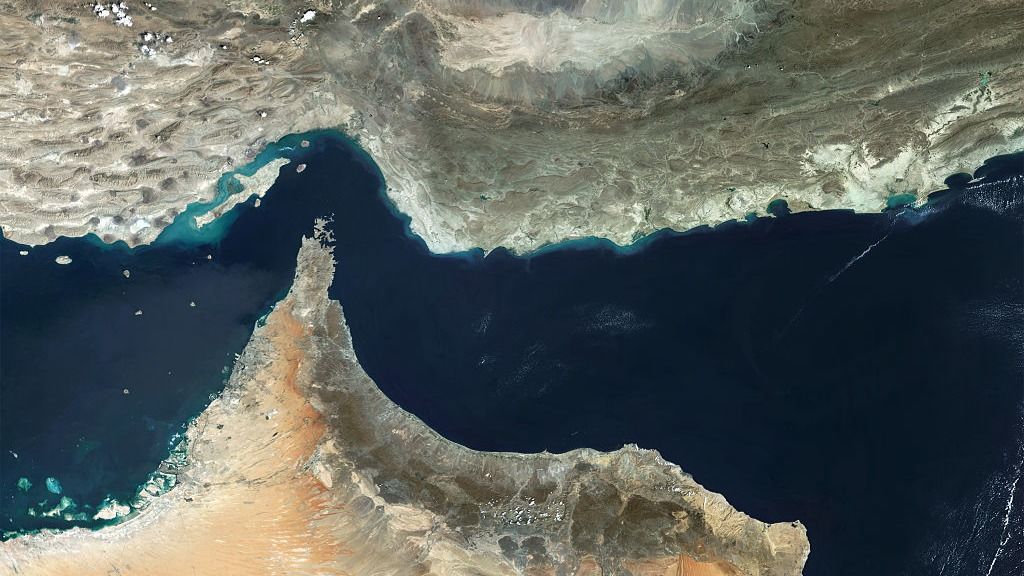
The main problem is that Iran has submitted tough counter-demands: an end to the U.S. naval blockade, sanctions relief, restoration of Iranian oil exports, war compensation, and recognition of Iran’s control over the Hormuz issue. Washington rejected these demands, viewing them as too favorable to Tehran and insufficient in addressing nuclear and regional security concerns.
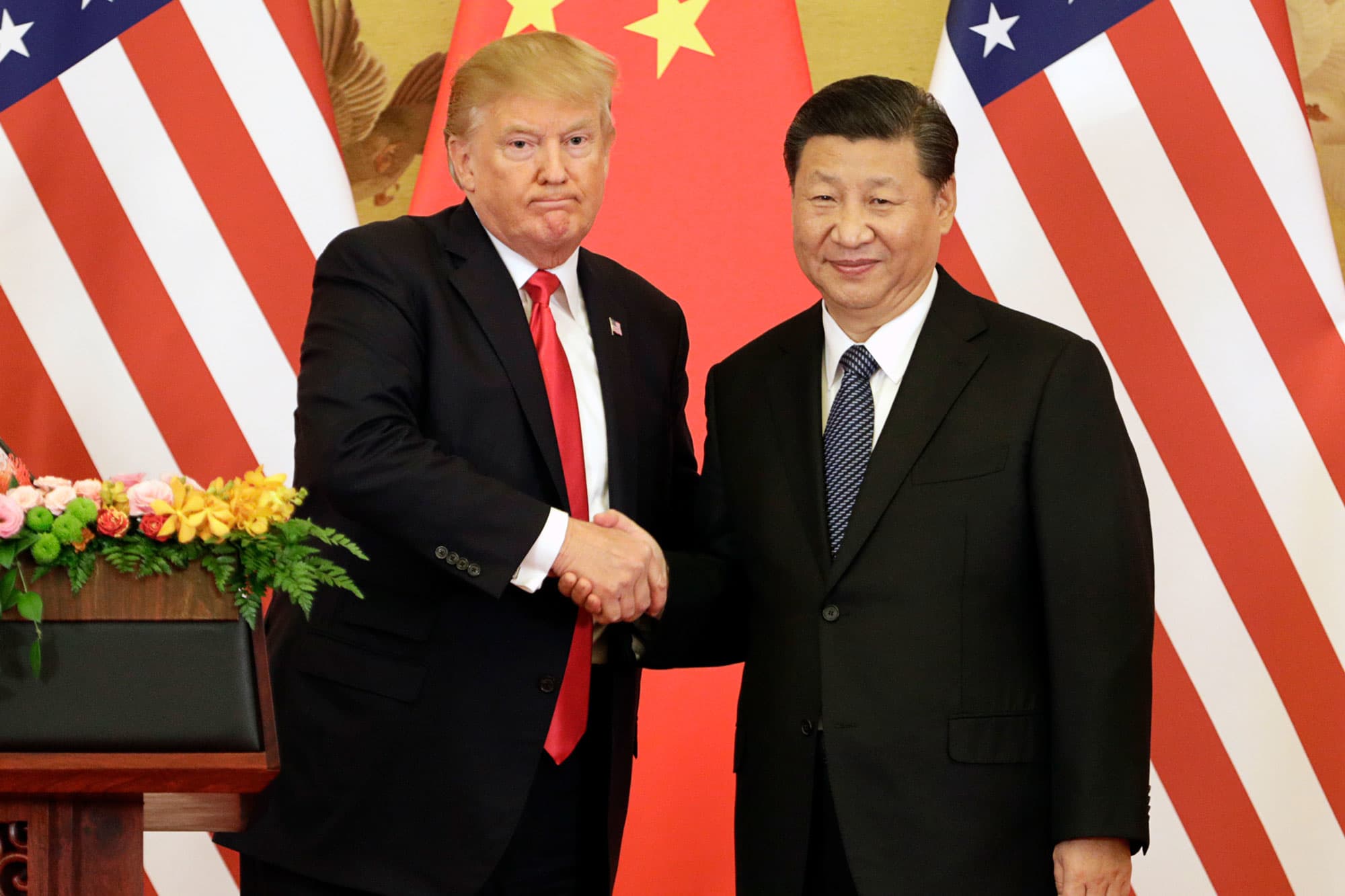
In another development, Trump said he does not feel the need for China’s help to end the war with Iran, even though his visit to Beijing remains closely watched because China has significant influence over Tehran. Meanwhile, both the U.S. and China were reportedly opposed to the idea of imposing tolls or fees on vessels passing through the Strait of Hormuz, one of the key sources of tension.
The market impact is clear: oil prices have jumped sharply as hopes for a quick peace deal fade. Reuters reported that Brent crude rose to around US$107 per barrel, while WTI climbed above US$102, as traders remained concerned about prolonged disruption in Hormuz and global energy supply.
In conclusion, the peace proposal is not completely dead, but its position is now extremely fragile. The main deadlock lies in three issues: Iran’s nuclear program, the blockade and access to the Strait of Hormuz, and demands for sanctions relief plus war compensation. As long as both sides are unwilling to compromise on these points, the risk of escalation remains high and oil prices are likely to stay volatile.
Source: Newsmaker.id