Hormuz Volatility, Oil Prices Hit US$86
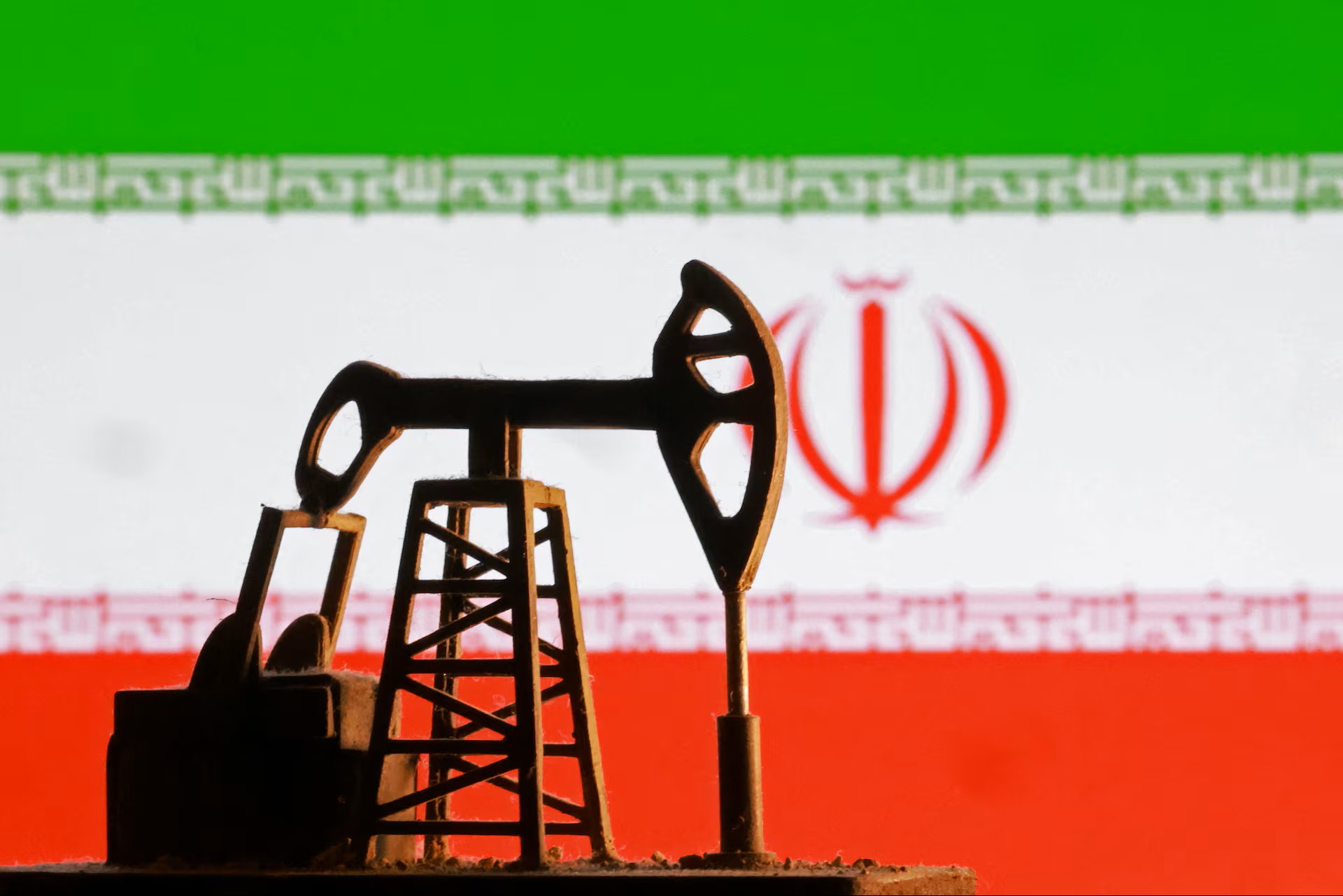
Oil prices rose sharply on Tuesday (July 14th), hitting a four-week high. This increase occurred after the United States reimposed a naval blockade on Iran, while a new attack between Washington and Tehran raised concerns about energy flows through the Strait of Hormuz.
Brent crude rose US$2.74, or 3.29%, to US$86.04 per barrel at 07:51 GMT. Meanwhile, West Texas Intermediate (WTI) rose US$2.21, or 2.83%, to US$80.35 per barrel. Brent is now at its highest level since June 12th, while WTI reached its highest level since June 16th.
Tensions escalated after US President Donald Trump reimposed a blockade on Iranian shipping and proposed a 20% fee to maintain security in the Strait of Hormuz. This waterway is crucial for global energy trade, as before the conflict, about a fifth of the global daily supply of oil and liquefied natural gas passed through the area.
The situation escalated after two United Arab Emirates tankers were reportedly hit by Iranian cruise missiles in the southern Strait of Hormuz, specifically in Omani waters. The incident killed one Indian crew member and injured eight others. Shipping data also showed the number of tankers passing through the Strait of Hormuz fell to its lowest level in two months.
Citi warned that the likelihood of Iran abandoning its memorandum of understanding with the United States until after the US midterm elections is increasing. If this scenario occurs, oil prices could potentially remain high for longer. However, Iranian Oil Minister Mohsen Paknejad stated that Iranian oil exports are continuing as usual, even though the US has canceled a 60-day oil sanctions waiver.
Risks from the Middle East also increased after Yemen's Houthi group fired missiles at Saudi Arabia. Meanwhile, China's crude oil imports in June fell sharply by 41.3% to their lowest level in almost a decade due to weak domestic demand and restrictions on refined product exports. Consequently, oil markets remain potentially volatile as the market must weigh two sides simultaneously: the supply risk from Hormuz and weakening demand from China. (arl)
Source: Newsmaker.id