Iran Fires Missiles at UAE in First Attack Since Ceasefire
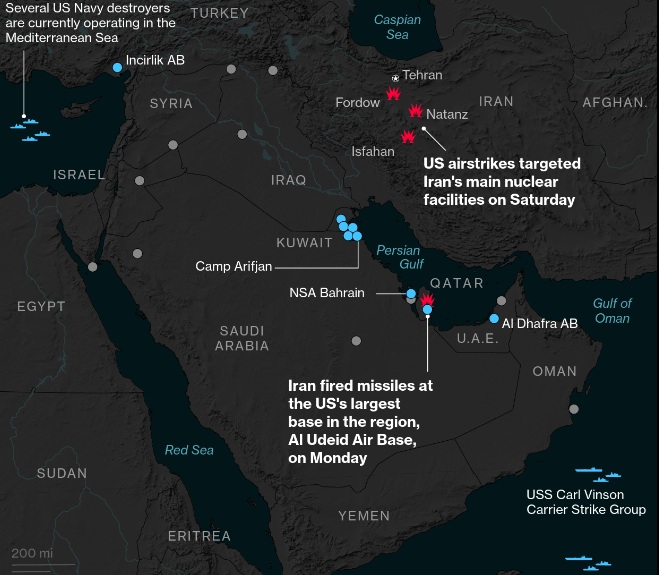
Iran attacked the United Arab Emirates on Monday for the first time in nearly a month, as tensions between the U.S. and the Islamic Republic escalated. The UAE said it intercepted Iranian cruise missiles fired at multiple areas, breaking a fragile calm that has held since a ceasefire between Tehran and the U.S.-Israel alliance took effect in early April.
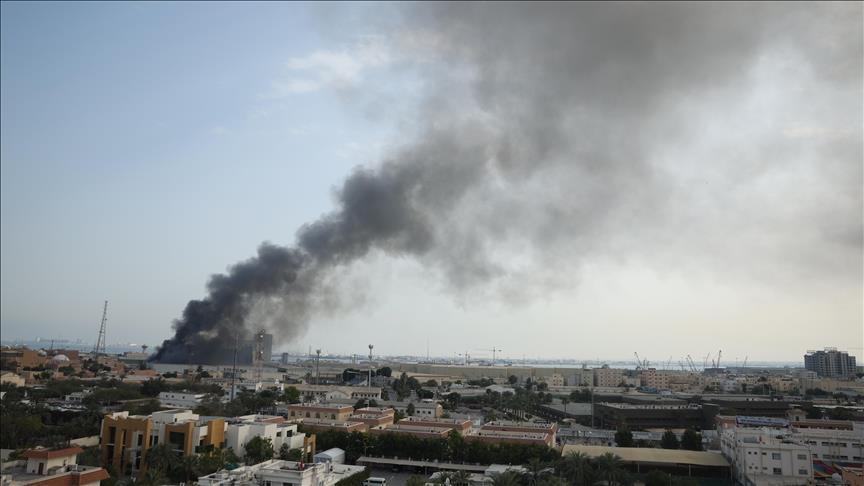
Mobile-phone alerts were sent to residents in Dubai and other emirates, including Abu Dhabi, urging them to move to safe areas. In Fujairah, an oil terminal partly owned by Vitol Group was targeted, according to people familiar with the matter. Fujairah’s media office said a large fire broke out in an oil industrial zone following a drone attack from Iran, and reported three injuries.
The latest strikes underscored how fragile the truce remains. The war began in late February after U.S. and Israeli strikes on Iran, which retaliated by launching thousands of missiles and drones at Israel and Gulf Arab states. Thousands of people have been killed, mostly in Iran and Lebanon, where Israel is also waging a parallel campaign against Iran-backed Hezbollah.
The UAE has been among the most frequently targeted countries. Its Foreign Ministry described the strikes as a “dangerous escalation,” saying the country will not tolerate threats to its security and sovereignty and reserves its “full and legitimate right” to respond. The Ministry of Education also reinstated distance learning from Tuesday through Friday across nurseries and public and private schools nationwide, after having used the same measure earlier in the conflict period.
The alerts came hours after a tanker owned by Abu Dhabi National Oil Co. was fired upon by Iranian drones near the Strait of Hormuz. They also followed the start of what President Donald Trump called a “humanitarian” effort to help ships stranded in the Persian Gulf exit via Hormuz. The U.S. military said two U.S.-flagged merchant ships have so far transited the strait as part of that effort.
Iran has warned it would attack U.S. forces if they approach Hormuz and has told commercial vessels not to cross the waterway without permission. For markets, the renewed strikes and heightened Hormuz risk raise fresh concerns over energy supply disruptions and a potential rise in the region’s geopolitical risk premium.
Source : Newsmaker.id