Wall Street Corrects, Oil Surge Triggers New Risks from Hormuz
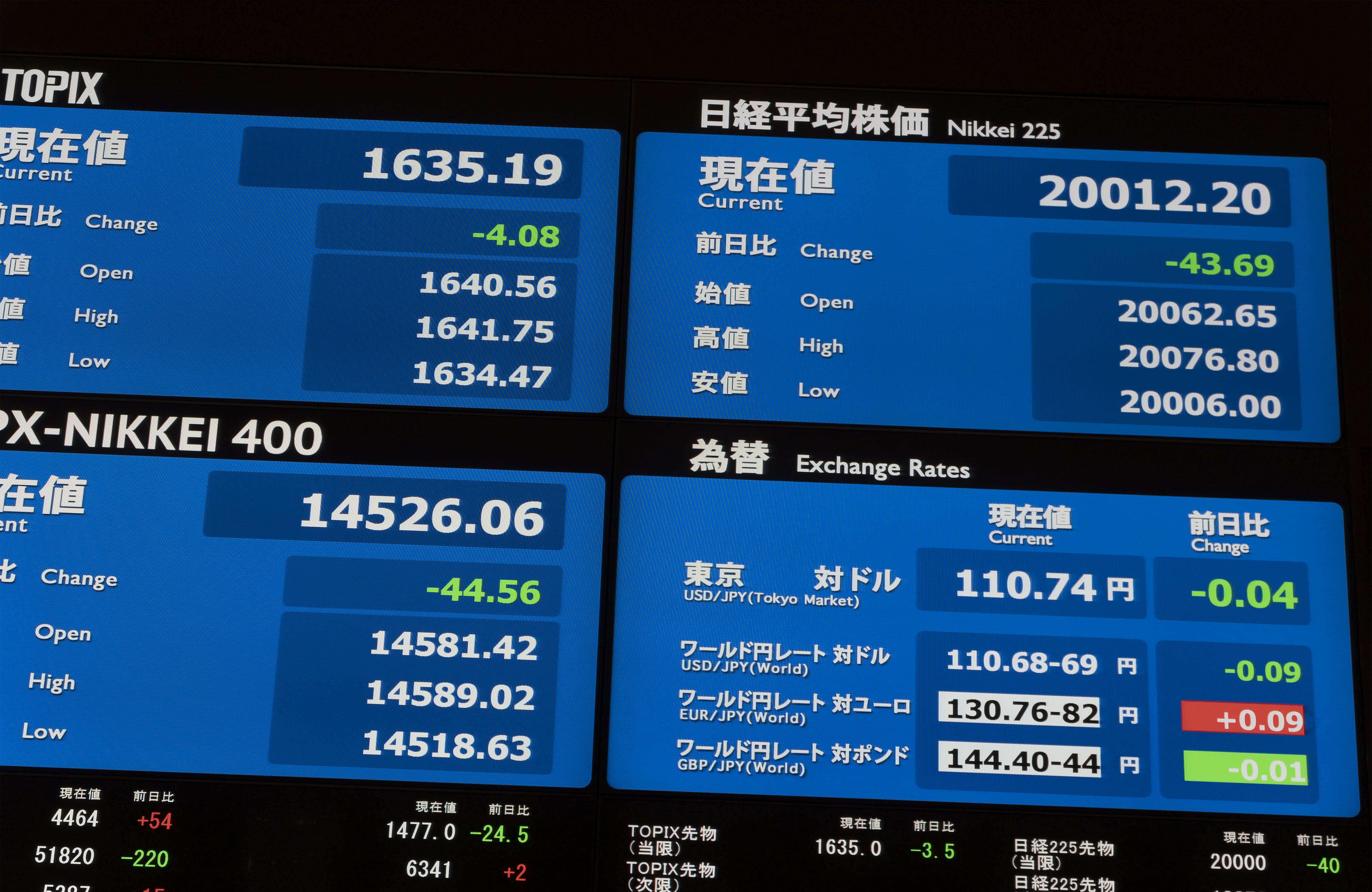
US stocks weakened on Monday (May 4) as the latest developments in the Middle East pushed up oil prices and heightened concerns about regional stability. The Dow Jones Industrial Average fell 1.13% to 48,941.90, the S&P 500 weakened 0.41% to 7,200.75, while the Nasdaq Composite fell 0.19% to 25,067.80.
Sentiment worsened after the United Arab Emirates announced it had intercepted several missiles fired from Iran. This marked the first activation of the UAE's missile warning system since the US-Iran ceasefire began last month. Energy prices rallied following the news: WTI jumped 4.39% to close at US$106.42 per barrel, while Brent rose 5.8% to end at US$114.44.
Oil had already rallied due to conflicting reports about the incident around the Strait of Hormuz. Iranian media reported a ship was turned back from the strait and said the Iranian navy blocked an “American-Zionist” warship from entering the zone. The Fars news agency also reported two missiles struck a US warship near Jask Island after it ignored warnings, but the report was not independently confirmed. The U.S. Central Command later stated that no US Navy ships were hit.
President Donald Trump on Sunday announced the “Project Freedom” initiative to help “free” cargo ships from non-conflicting countries stranded by the closure of the Strait of Hormuz, with the goal of starting Monday. Trump did not specify how the operation would be carried out. On the diplomatic front, Iran is said to have received a US response to its latest offer of peace talks, having previously sent an updated proposal through Pakistani mediators on Friday. However, Trump expressed dissatisfaction with Tehran’s offer, keeping the market headline-driven. In the short term, the combination of energy security risks and uncertainty about the direction of negotiations is likely to maintain the risk premium on oil and dampen risk appetite in equities. (Arl)*
Source: Newsmaker.id