Trump Rejects Iran's Hormuz Offer, Blockade Remains
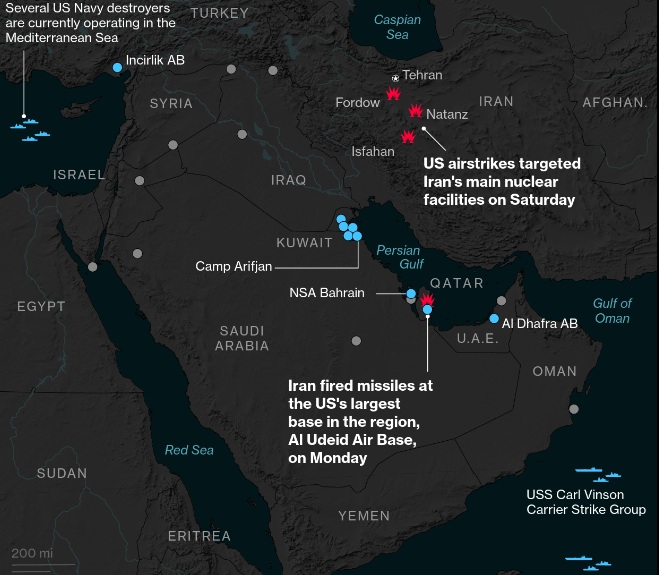
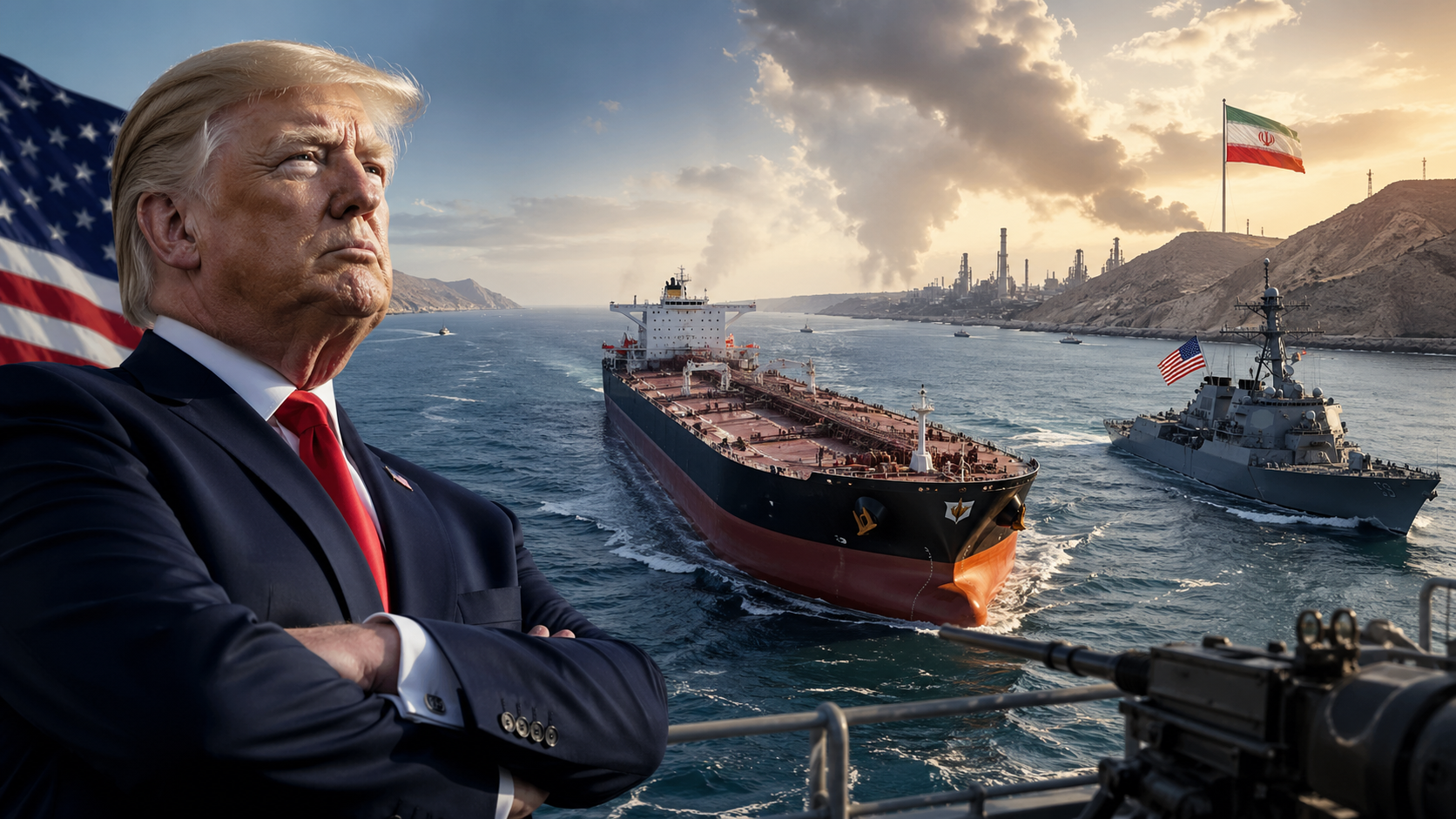
US President Donald Trump said he will not lift the naval blockade on Iranian ports until he reaches a deal with Tehran addressing the country's nuclear program, according to an Axios report. This stance widens the standoff over the Strait of Hormuz, which has triggered a global energy crisis, as the main oil and gas export route is effectively closed.
Trump said he rejected Iran's proposal to reopen Hormuz, but only on the condition that discussions be postponed to a later stage. He argued that the blockade is a more effective pressure tool than bombing, and he insisted that Iran should not acquire nuclear weapons.
The blockade is now at the heart of the standoff: Iran has stated it will not reopen the strait or resume negotiations as long as US maritime trade remains viable. Meanwhile, Trump has insisted the operation will continue until Iran agrees to a peace deal ending the war, even though it is currently in its ninth week of operation, with widespread regional repercussions and rising energy prices.
Axios also reported that US military commanders have prepared plans for a short but powerful wave of strikes to increase pressure on the Iranian regime, if necessary. On the ground, this also includes Iran's oil storage; Kpler assumes Iran has between 12 and 22 days left before potentially having to shut down the wells, which could risk permanent damage.
From the Iranian side, senior officials have shown no signs of backing down. Supreme Leader Mohsen Rezaee's military statement stated that Iran would respond if the blockade continues, while Parliament Speaker Mohammad Bagher Ghalibaf accused Trump of trying to force Iran to surrender through economic pressure and exploiting internal divisions. Trump also said talks are continuing "by phone" after an attempted meeting in Pakistan failed over the weekend.
The impact on the market is likely to reinforce the regime's risk premium: oil is likely to remain high and volatile as Hormuz remains effectively closed and Iran's storage space is dwindling, increasing the risk of further supply disruptions. The dollar typically draws support from safe-haven demand when energy and geopolitical tensions escalate. Meanwhile, gold tends to move in a tug-of-war—supported by hedging demand due to escalation, but its gains could be restrained if energy inflation drives interest rate expectations to remain tight and keeps the dollar/yield strong. (asd)*
Source: Newsmaker.id