Trump Prepares Long Blockade, Markets Recalculate Energy Risks
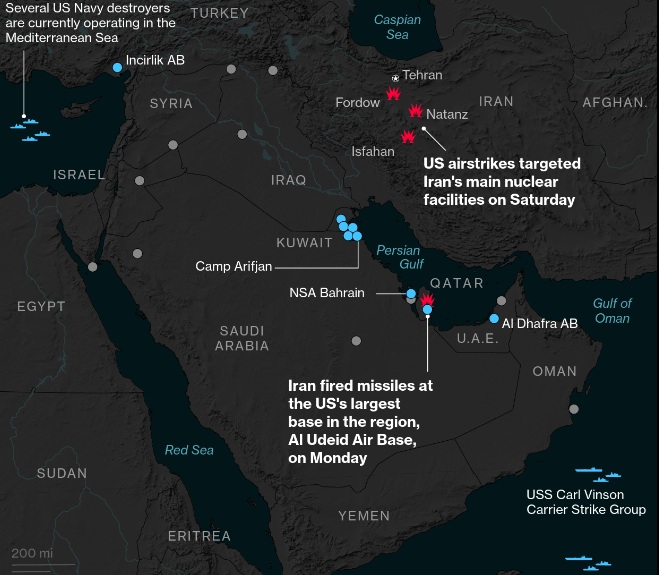
US President Donald Trump reportedly instructed his aides to prepare for a longer blockade of Iran, in an effort to squeeze the regime's revenue and force concessions related to its nuclear program, which Tehran has so far refused. In several meetings, including a discussion in the Situation Room on Monday, Trump opted to maintain his strategy of suppressing Iran's economy and oil exports by restricting shipping in and out of Iranian ports.
This decision was made after Trump assessed that the alternative options of continuing the bombing campaign or "walking away" from the conflict carried higher risks than maintaining the blockade. However, the blockade also prolongs the conflict, which has driven up energy prices, depressed US domestic sentiment, and kept flows in the Strait of Hormuz at a minimum. Since the April 7 ceasefire, Trump has repeatedly refrained from military escalation, but wants to maintain pressure until Iran meets its core demand: the dismantling of its nuclear works.
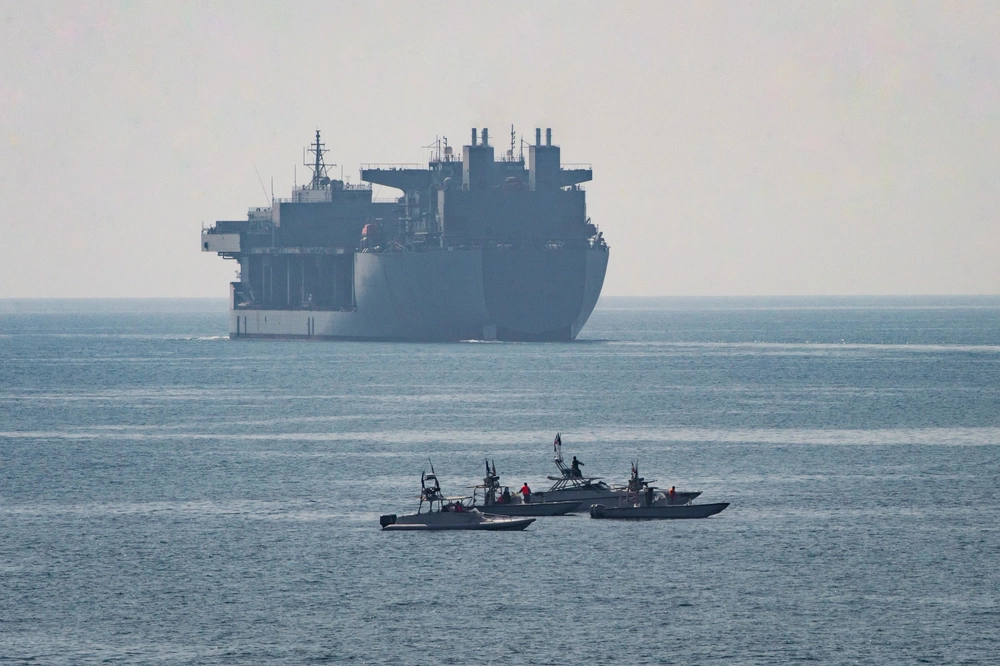
According to reports, Trump believes Iran's proposal to open the Strait of Hormuz while nuclear talks are at a late stage indicates Tehran is not negotiating in good faith. However, a blockade strategy is not a "quick fix": financial pressure may reduce Iran's maneuverability, but it does not guarantee Tehran's surrender, while the US must maintain military deployments for longer and still face the risk of retaliation against regional energy infrastructure or US assets.
Behind the impasse, internal Iranian factors are said to be hampering diplomacy. US officials believe factional tug-of-war within Tehran's power structure requires Iranian negotiators to "negotiate domestically" before making any commitments. Iran reportedly requested several days to consult with the Supreme Leader before presenting a revised proposal, while regional mediators doubt the new offer will immediately trigger a breakthrough.
5 key points impacting oil, the dollar, and gold going forward:
- OIL: Risk premiums are likely to persist as long as the blockade continues and the Strait of Hormuz remains unregulated. Even without bombing, "economic warfare" could keep physical markets tight and prices sensitive to headlines.
- OIL: The risk of a spike remains if Iran responds to pressure with additional disruptions to regional energy infrastructure or actions against maritime assets—the market would quickly increase the risk premium.
- USD: A supportive bias from risk-off could emerge as geopolitical and energy uncertainty persists, especially if the market perceives a longer-term risk of escalation or supply disruptions.
- GOLD: A tug-of-war between two forces—geopolitical tensions can support hedging demand, but energy inflation, which fuels expectations of higher interest rates for longer, typically puts pressure on gold (non-yielding). As a result, gold tends to be choppy and headline-driven.
- The combination of high oil prices and interest rate uncertainty can pressure risk assets and encourage a defensive rotation; if the market begins to price in an "adverse scenario" (rising inflation, weakening growth), volatility across assets, including the dollar and gold, could potentially increase. (asd)
Source: Newsmake.id