Diplomacy in Motion Again? Araqchi Lands in Pakistan
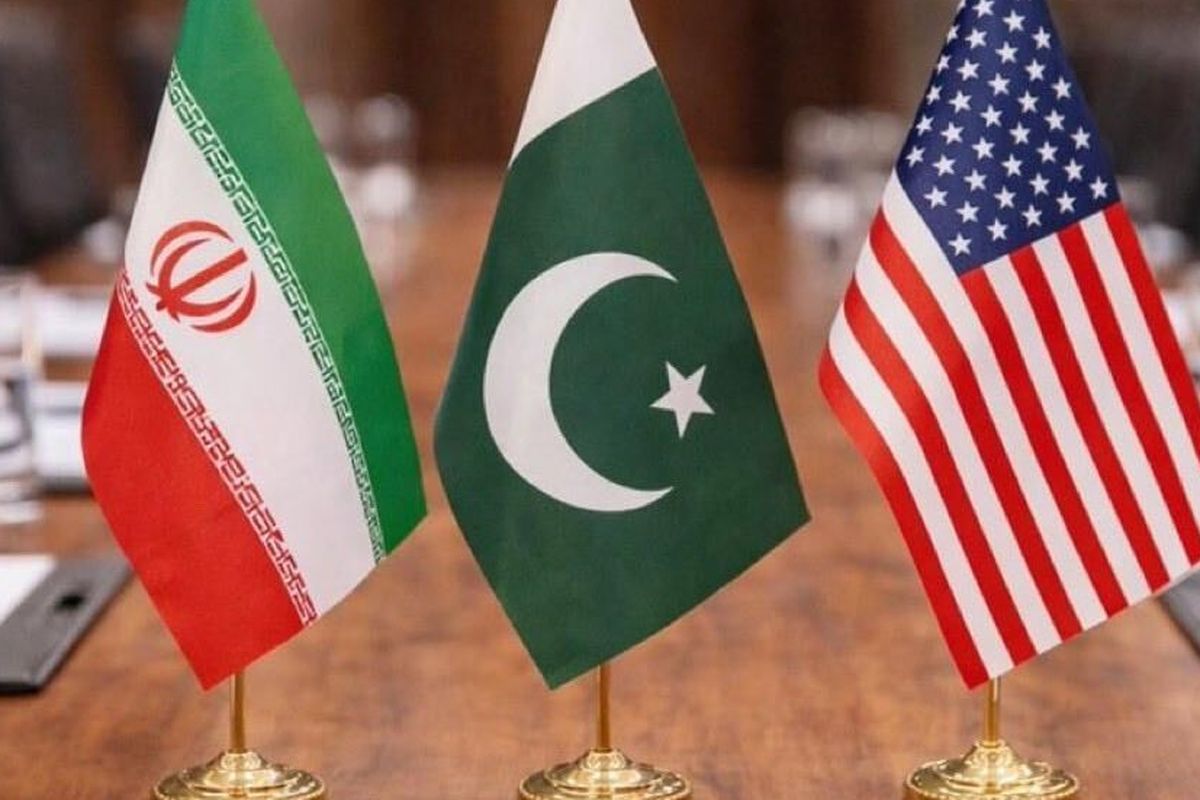
Iranian Foreign Minister Abbas Araqchi is scheduled to arrive in Islamabad on Friday (April 24), raising hopes that negotiations with the United States could resume after a planned round of talks earlier this week failed to materialize. Iranian state media reported that Araqchi was embarking on a trip that included Islamabad, Muscat, and Moscow, without specifying the agenda for the talks with the US. Two Pakistani government sources said the visit could signal the reopening of diplomatic channels, although there has been no confirmation and Washington's response is still awaited; US logistics and security teams are said to be on standby for a potential meeting.
Diplomatic uncertainty remains high. Talks scheduled for Tuesday were canceled because Iran said it was not ready to commit to attending, while the US delegation led by Vice President JD Vance did not leave Washington. President Donald Trump then unilaterally extended a two-week ceasefire at the last minute to allow time to reconvene negotiators. Meanwhile, Israel and Lebanon extended separate ceasefires for three weeks during meetings at the White House, a relevant move because Iran views maintaining a lull in the conflict in Lebanon as a prerequisite for talks with the US on a broader war.
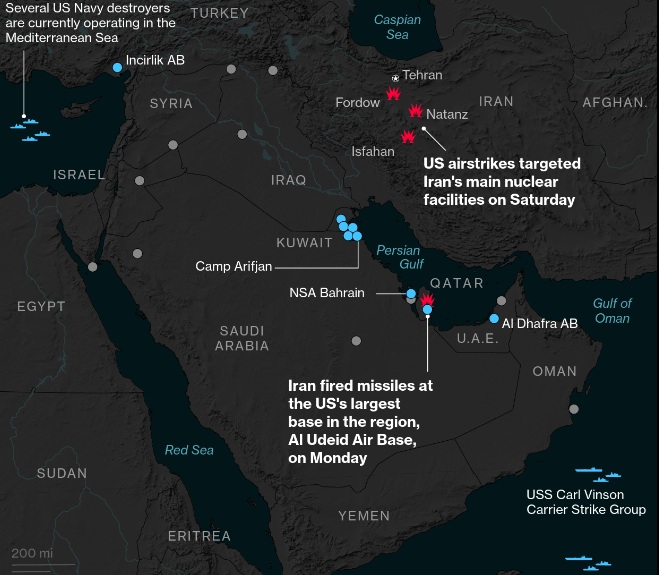
For energy markets, the main obstacle remains the Strait of Hormuz. Trump has said he wants an “everlasting” deal and claims the US has the upper hand in the Hormuz standoff, but the US has yet to find a way to open the strait. Iran has blocked nearly all shipping other than its own since the war began eight weeks ago, and this week demonstrated its control by seizing two large cargo ships. The US also imposed a separate blockade on Iranian shipping last week, including boarding several Iranian vessels in international waters. Iran has insisted it will not open the strait until the US blockade is lifted, keeping global supply lines fragile.
Shipping data underscores the impact: only five ships passed through Hormuz in the past 24 hours, well below the roughly 130 per day before the war. That flow included one Iranian oil product tanker, but no supertankers carrying crude that typically supply global energy markets. This tight physical flow is a key transmission channel to energy prices and inflation: the longer the recovery is stalled, the greater the risk of persistent energy cost pressures and dampening growth.
The market is now monitoring whether Araqchi's visit truly opens a new round of negotiations, whether there are any signs of an easing of the blockade, and whether Hormuz traffic is significantly recovering. The next key variables are confirmation of Islamabad's agenda, the status of the US blockade and Iran's response, the number of ships actually able to pass through, and the progress of the Lebanese ceasefire, which remains sensitive to diplomacy. (Arl)
Source: Newsmaker.id