Hormuz Deadlock, Supply Risks Drive Oil Premiums
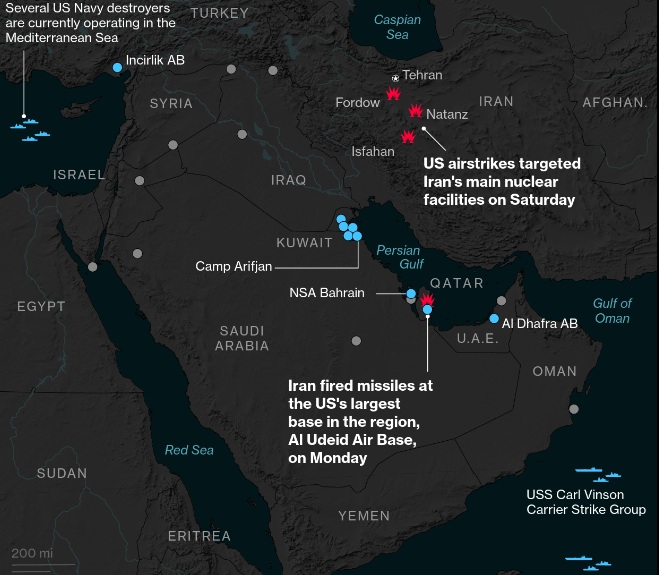
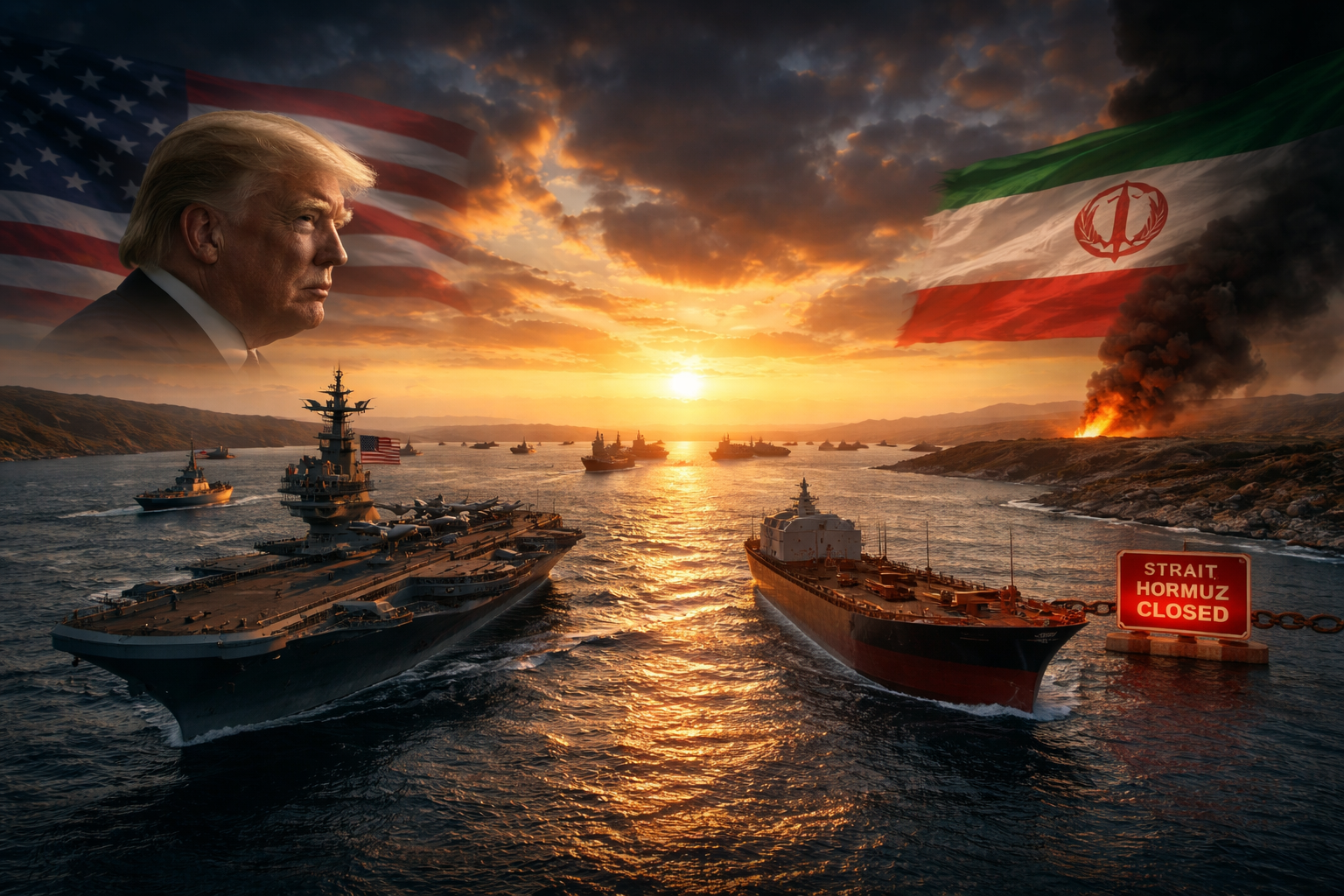
Tensions between the United States and Iran have escalated in the Strait of Hormuz, with both sides maintaining a blockade of the strategic waterway, while the prospect of peace talks remains elusive. The standoff maintains market uncertainty, as Hormuz is a vital route for oil and gas flows, and a prolonged disruption could potentially further strain global supplies.
US President Donald Trump on Thursday ordered the US Navy to fire on vessels laying mines in the strait. The US military also said it intercepted two oil supertankers attempting to circumvent traffic restrictions to and from Iranian ports. The Pentagon added that US forces boarded a "stateless, sanctioned" vessel transporting oil from Iran in the Indian Ocean.
On the Iranian side, Tasnim reported that an Iranian ship carrying rice successfully crossed the Sea of Oman and reached Iran after being escorted by the Islamic Revolutionary Guard Corps (IRGC). It also said the US Navy attempted to seize the vessel. Trump also stated that if Iran cannot export oil, the country's infrastructure "will explode," but added that Tehran still wants a deal and that contacts between US and Iranian officials are ongoing.
The situation on the ground remains tense after Iran reportedly attacked at least three ships on Wednesday, effectively shutting down the oil and gas transit route for the eighth consecutive week. This situation has kept shipping security risks high and heightened market sensitivity to any updates, whether military or diplomatic.
In terms of diplomatic demands, the White House has stated that Trump wants Iran to hand over its stockpile of highly enriched uranium, a demand Tehran has so far refused. The conflict reportedly began after the US and Israel bombed Iran in late February, arguing that Iran could increase enrichment and seek to build a nuclear weapon, making the nuclear issue one of the most difficult points to reach.
Going forward, as long as Hormuz remains disrupted and both sides maintain the blockade, oil prices are likely to remain biased by the supply risk premium and move largely headline-driven. A meaningful improvement in oil prices typically requires concrete signals that shipping flows are returning to normal and the risk of interception/attack is decreasing; without this, any minor escalation in the shipping route has the potential to quickly lift prices, while reassuring diplomatic news can trigger a short-term correction but may not necessarily eliminate the risk premium entirely. Looking ahead, oil prices are likely to remain bullish and volatile as long as the Hormuz current remains intact and the risk of interception/attack persists. Any credible signal of de-escalation could trigger a short-term correction, but without tangible improvements in shipping access, the supply risk premium is likely to persist, keeping oil prices sensitive to headlines.
For gold, the market is likely to be a tug-of-war. Geopolitical uncertainty typically supports hedging demand, but high oil prices contain inflation risks and could push interest rate expectations tighter, which is a drag on non-yielding gold. In a scenario of continued deadlock, gold is likely to remain volatile: support will come from risk-off, but gains could be restrained if the dollar and interest rate expectations continue to strengthen along with energy inflation. (asd)
Source: Newsmaker.id*