US-Iran Lockdown of Hormuz, Energy Risk Premiums Remain as Talks Stall
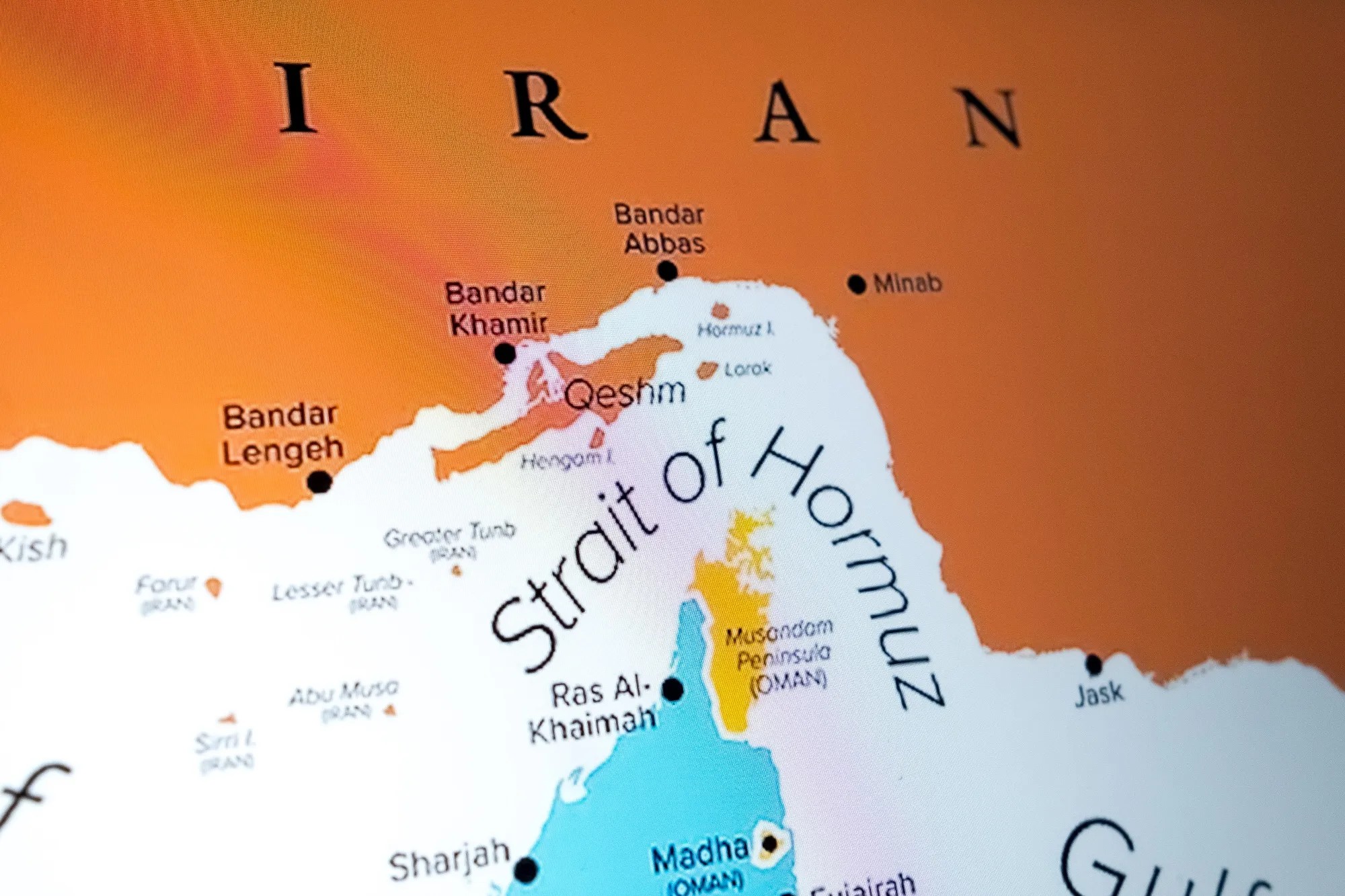
The United States and Iran are vying for control of the Strait of Hormuz after a new round of peace talks failed, with both sides restricting shipping lanes to increase their leverage amidst a ceasefire extension. US President Donald Trump said the April 7 ceasefire would be extended indefinitely pending Iran's submission of a new peace proposal, but Tehran has said it has no immediate plans to resume negotiations. The White House has emphasized that the president has not set a firm deadline for accepting Iran's proposal.
On the ground, maritime tensions have escalated as Iran seized two cargo ships in Hormuz and there have been reports of gunfire on commercial vessels in the strait. Iran blamed the seizures on the ships passing through without proper authorization, while a British maritime security watchdog reported incidents of attacks on ships in the area. Meanwhile, the US maintains a naval blockade on shipping entering and leaving Iranian ports, and the US military says it has diverted dozens of vessels since the blockade was imposed. These tensions have eroded confidence in a rapid restoration of energy flows through Hormuz.
The impact is reflected in energy prices. Brent has rallied again above US$101 per barrel, while the physical market continues to signal short-term supply tightness, with Dated Brent above US$107 per barrel. The energy rally has pushed US gasoline prices to a nearly four-year high, heightening political sensitivities and increasing inflation risks that could hinder room for interest rate easing.
The market is now waiting to see whether Iran will submit the proposals requested by Washington, whether the blockade parameters will change, and whether mediators will be able to reschedule the meeting in the coming days. The most crucial variables will be the security of shipping in Hormuz (including mines and shelling incidents), the volume of ships actually able to pass, and the response of physical oil prices, which serve as a barometer of short-term supply tightness. (Arl)
Source: Newsmaker.id