Geopolitics Heats Up, These Three Assets Are the Market's Compass: Gold, Oil, and the Dollar
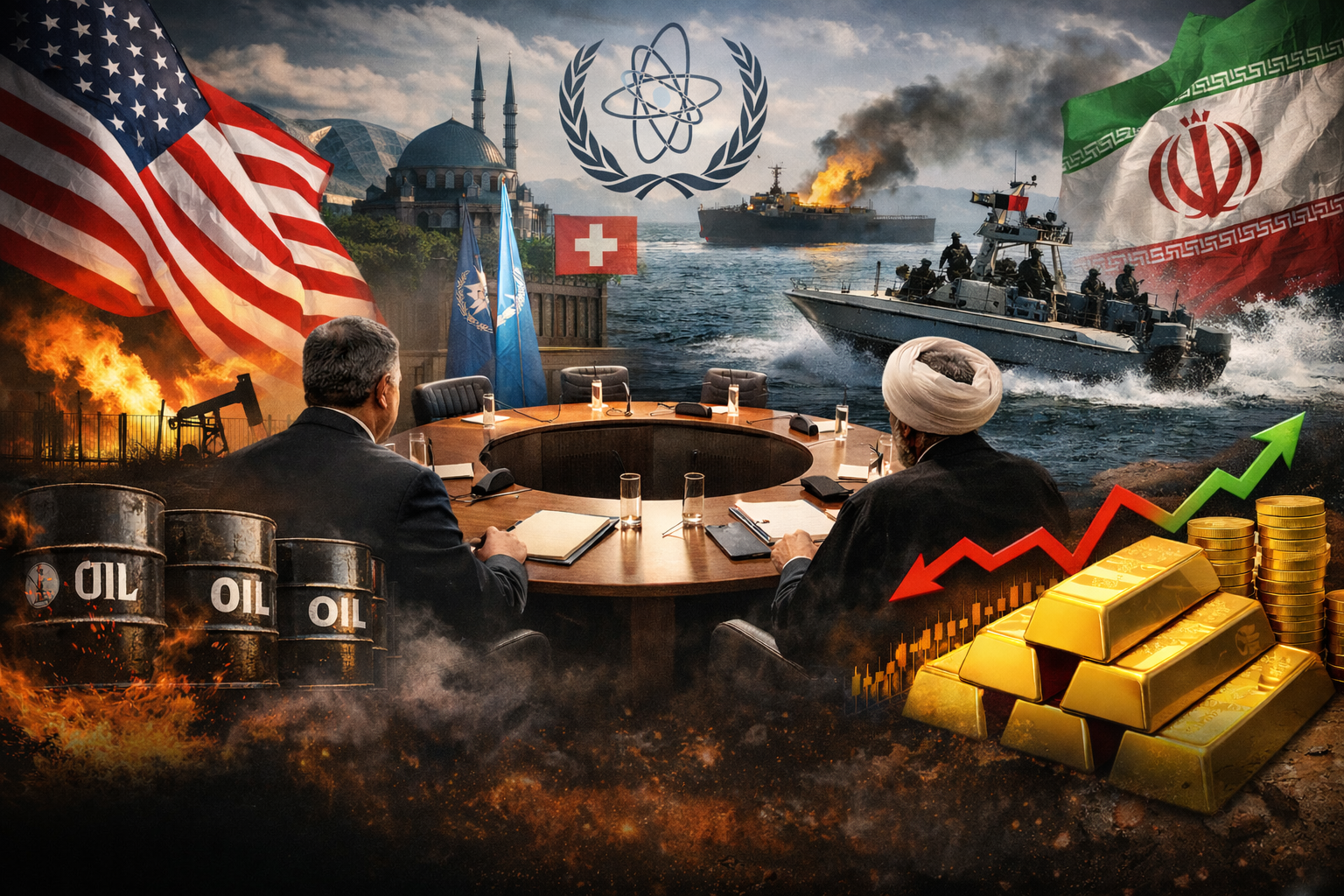
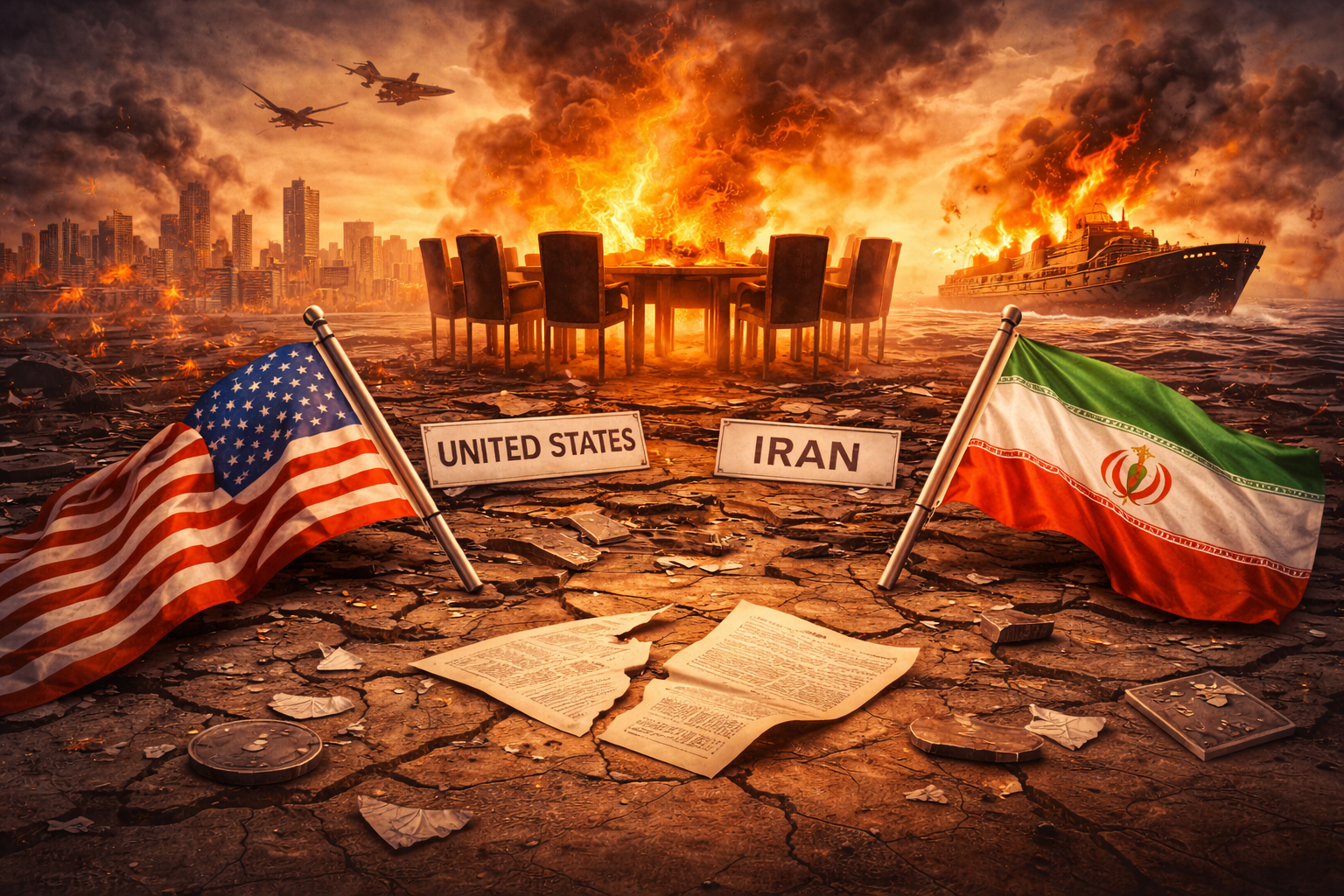
Global markets often appear to "overreact" when conflicts escalate, but the underlying pattern is quite consistent: when strategic energy routes are disrupted and political uncertainty increases, investors tend to restructure their portfolios toward assets perceived as safest or most sensitive to shocks. In the latest episode, the narrative revolves around the US-Iran war, efforts to revive diplomacy, and Washington's move to initiate a blockade of the Strait of Hormuz—while Trump also claims that other countries are ready to support the US mission, although details have not yet been disclosed.
The current geopolitical situation centers on two key issues: security risks at the energy chokepoint (Hormuz) and uncertainty about the negotiation path. When talks fail, markets tend to price in scenarios of longer supply disruptions; when signals emerge that the door to talks is still open, some of the risk premium can be corrected. This is why we see oil weakening on the rise of hopes for peace talks, while gold gains slightly after two days of decline as markets assess that energy inflation pressures might ease if de-escalation occurs.
Gold is typically sought after during times of heightened uncertainty due to its role as a store of value that doesn't depend on the performance of a single country or issuer. However, gold doesn't always rise whenever conflict escalates. There's one major "brake": interest rates and the dollar. If conflict drives up energy prices, inflation can also rise, and markets expect central banks to maintain high interest rates for longer. In such conditions, the opportunity cost of holding gold increases because it offers no yield. So, gold often finds itself in a dual position: a supportive "safe haven" versus a suppressive "rate channel."
Oil is much more sensitive to conflict because it's a commodity that must flow. Small disruptions to supply or shipping routes can trigger a surge in risk premiums, especially in areas like Hormuz that connect Gulf production to global markets. Even if disruptions only affect a specific port, the market is still calculating the possibility of escalation, shipping delays, increased insurance costs, and potential retaliation. That's why oil can surge sharply when the risk of supply disruption rises, then quickly correct when negotiations signal a change of heart—not because "oil has changed its mind," but because the market is constantly updating the probability of scenarios.
The US dollar often strengthens during risk-off periods due to two factors: safe haven and global liquidity. In periods of uncertainty, market participants tend to reduce risk and choose the most easily traded and most accepted assets as a short-term store of value. Furthermore, many global obligations (debt and trade) are still denominated in dollars, so when stress increases, the demand for dollars can increase. However, the dollar can also weaken if the market perceives a de-escalation as reducing the need for hedging, or if falling US yields reduce the attractiveness of their yields.
The relationship between these three forms an important macro triangle. Oil is a driver of inflation and growth risk: rising oil prices can raise inflation while depressing consumption. The dollar responds to changes in risk sentiment and the direction of interest rate policy. Gold sits at the intersection of the two: it benefits from uncertainty but can be pressured if energy inflation leads the market to expect prolonged high interest rates. Therefore, within the same set of headlines, we can see oil and the dollar moving in the same direction (risk-off), while gold moves more "mixedly" depending on whether the market is more focused on geopolitical fears or on the consequences of interest rates.
Ultimately, markets don't move based on a single factor. Prices are the result of a combination of sentiment, policy, and global risks—and the weight of each factor can change from hour to hour. When diplomacy appears vibrant, markets tend to reduce risk premiums. When energy lines are threatened, markets refocus on inflation, capital costs, and supply stability. Reading gold, oil, and the dollar together helps us understand the market's "language": whether the world is more afraid of war, inflation, or a slowdown—and how these three forces are intertwined in one big story. (asd)
Source: Newsmaker.id