Energy Crisis Mode On: Oil Soars, Other Commodities Follow
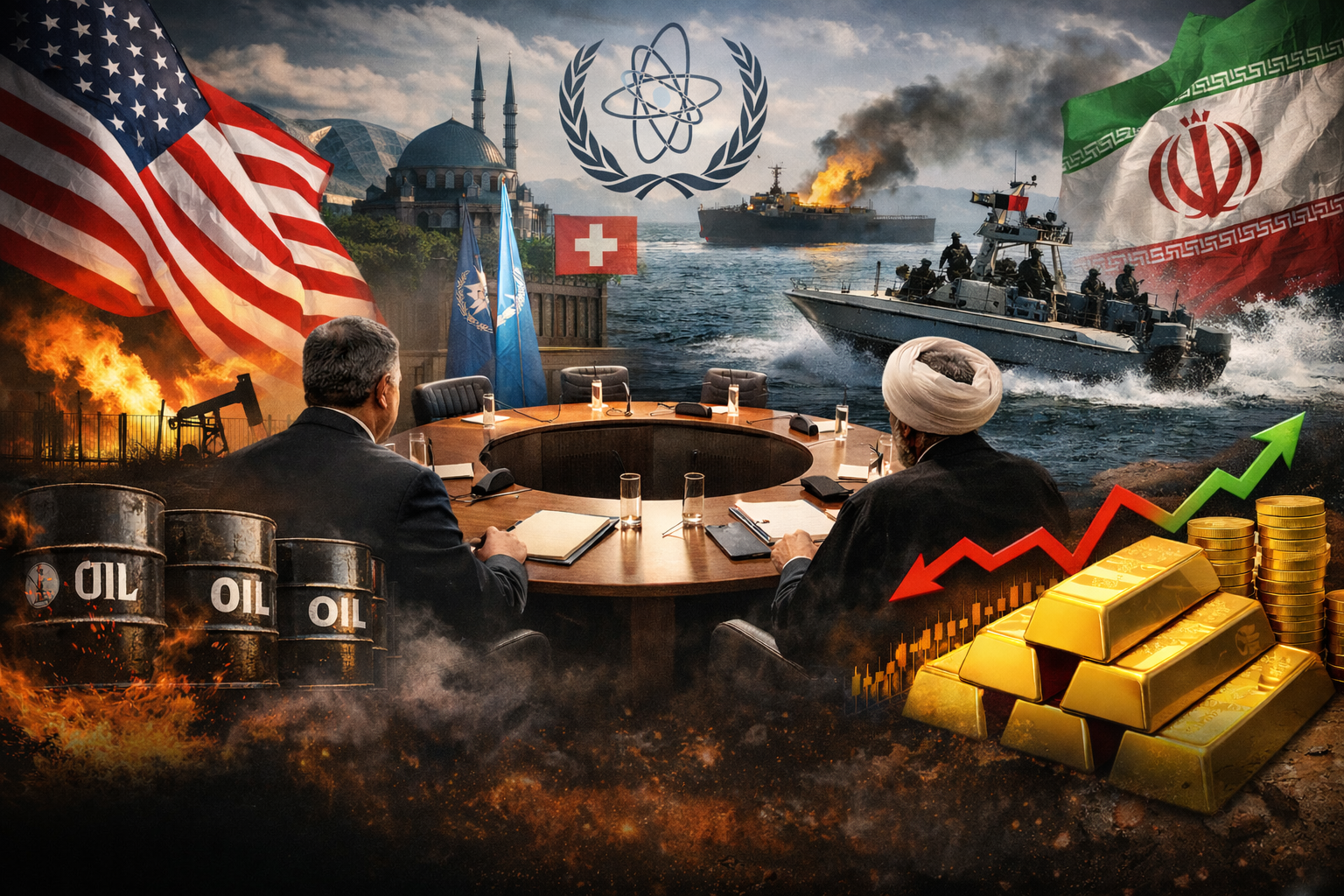
Oil is trading in full-blown supply-shock mode, not just a typical “risk premium” rally. The key trigger is the situation around the Strait of Hormuz, where commercial traffic has been described as near-halted, meaning Gulf barrels are not merely “at risk” — they are physically struggling to move. When that chokepoint locks up, exports stall, inventories back up quickly, and producers are forced to curb output, which is why price moves turn explosive and volatility becomes extreme.
From a fundamental perspective, markets are pricing the Iran war as a shock that hits both logistics and production at the same time. If shipping is disrupted, supply tightness doesn’t take months to show up — it can surface in days as refiners and buyers scramble for prompt barrels. At the policy level, major economies have floated emergency steps such as a coordinated release of strategic stockpiles to slow the surge, but those measures are widely seen as temporary relief rather than a structural fix as long as Hormuz flows don’t normalize.
Technically, oil’s break above the psychological $100 level signaled a shift into “price discovery,” often characterized by sharp impulses, rapid pullbacks, and violent intraday swings. Prices even pushed toward the $120 area before easing, highlighting how quickly the market is repricing equilibrium levels under constrained supply and heightened geopolitical uncertainty.
One of the loudest technical signals is coming from the futures curve. Brent’s prompt spread (the gap between the two nearest contracts) widened dramatically — a classic sign that the market is paying a premium for oil right now, not later. Deep backwardation like this typically accelerates front-end tightness: physical buyers rush coverage, traders chase nearby contracts, and volatility spills across the energy complex.
So why can oil’s surge create chaos across other global commodities? Because oil is a foundational cost input for the real economy. The first transmission channel is transport and freight: higher crude tightens distillates like diesel and jet fuel, pushing up shipping and trucking costs. That raises the delivered cost of everything from industrial metals to agricultural products and LNG, even if those commodities’ own supply-demand balance hasn’t changed. The second channel is macro repricing: oil-driven inflation fears push markets to expect tighter policy (or fewer cuts), lifting yields and often strengthening the dollar — which can compress demand in some commodities while others continue climbing on scarcity, creating messy, unsynchronized price action.
A third channel is deleveraging and margin mechanics. When oil becomes extremely volatile, margin requirements rise and portfolio risk balloons. Funds and trading desks often reduce exposure broadly and raise cash by selling positions in unrelated markets — meaning commodities that “shouldn’t” move on oil headlines can still swing hard due to liquidity needs rather than their own fundamentals. A fourth channel is petrochemical and industrial input costs: oil is a key feedstock; when petrochemical costs rise, manufacturing costs rise, which can either lift certain inputs (cost-push) or depress demand (growth scare), amplifying cross-commodity turbulence.
For the near-term read, the market has a simple compass: unless there is clear evidence that Hormuz traffic is returning toward normal, oil is likely to remain bullish but chaotic — surging on escalation headlines and snapping back on relief narratives like stockpile releases or policy measures, yet staying elevated because physical tightness persists. In this environment, $100 acts as a key pivot: holding above it keeps the upside bias intact, while dips can be violent but often find buyers quickly until shipping conditions visibly improve.
Source : Newsmaker.id