Middle East Heats Up, Markets Enter "Headline Mode"
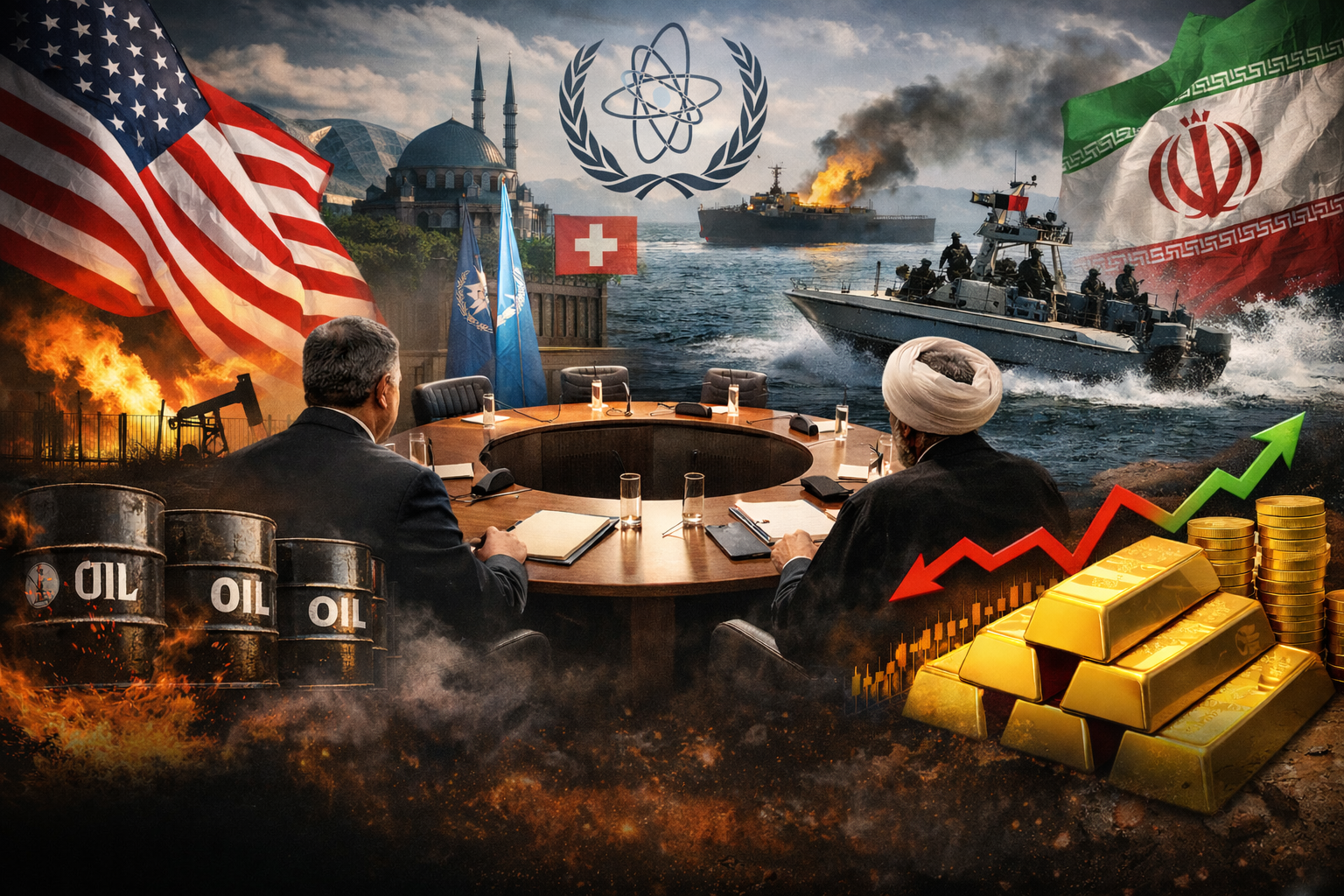
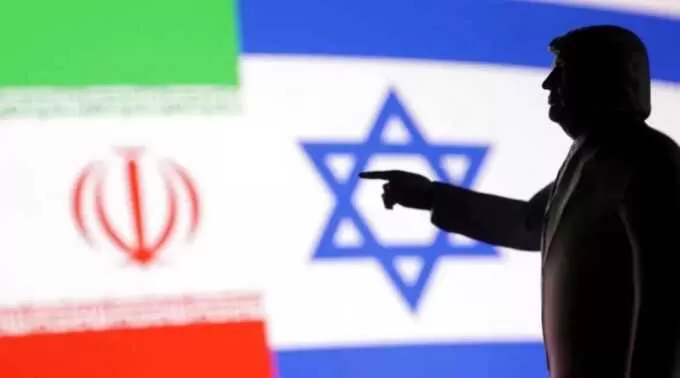
Geopolitical tensions in the Middle East have returned to the spotlight after a series of US-Israeli attacks on Iran triggered military escalation and uncertainty that quickly spread to global markets. The escalating conflict has led market participants to prioritize risk protection, leading to asset movements becoming highly reactive to headline-driven news.
The most crucial situation currently is the disruption to maritime security in the Gulf, including reports of tanker damage, crew casualties, and the buildup of hundreds of vessels choosing to anchor or wait around the Strait of Hormuz. Several operators are also considering rerouting, while shipping security warnings and potential increases in war insurance premiums are tightening energy logistics activities.
For the oil market, the combination of military escalation and shipping lane risks is a classic recipe for a rising risk premium. Reuters noted a sharp spike in oil prices as the conflict escalated, with the market assessing supply disruption scenarios and limited short-term responses if the strategic waterway remained at risk. In this context, oil volatility tends to remain high, even during correction sessions due to profit-taking.
Gold has again emerged as a hedge against heightened uncertainty. The safe-haven impulse typically strengthens when market participants assess the risk of further escalation, particularly when tensions depress risk appetite in equities and increase the need for hedging. Conversely, if an energy surge fuels inflation concerns and yields rise, gold's rise could be more choppy, influenced by the trade-off between demand for safe havens and opportunity costs.
Silver tends to follow the safe-haven trend, but its behavior is typically more aggressive due to a mix of precious metals and industrial commodities. In recent market records, silver has rallied alongside gold as demand for safe assets increased following the escalation in Iran. This makes silver often more volatile than gold—strengthening rapidly during risk-off periods, but also more susceptible to corrections when sentiment subsides.
The US dollar faces a more complex dynamic. During risk-off periods, the USD often finds support as a global liquidity currency, but its ultimate direction depends heavily on the bond market's response: if capital flows into Treasuries (yields fall), the USD may not always be the "sole winner"; conversely, if energy inflation pushes yields up, the USD has the potential to strengthen again through the interest rate channel. Therefore, USD volatility could remain high as long as the market hasn't agreed on a "dominant narrative": geopolitical risk or inflation risk.
Currently, the market assesses that the "hot spots" remain shipping security and the potential for conflict to escalate. Reports of detained vessels and disruptions to port operations reinforce the perception that risks are no longer simply geopolitical, but have also entered the realm of logistics and energy distribution costs. This is what makes the risk premium more sticky and unlikely to dissipate simply due to a few hours' news break.
Looking ahead, market scenarios are generally divided into two. If de-escalation occurs (or a diplomatic path reduces shipping risks), oil could correct from its high levels, and gold could potentially consolidate—but still be supported by defensive demand until uncertainty fully subsides. Conversely, if disruptions in the Strait of Hormuz continue or the conflict escalates, Reuters cites expectations of persistently high oil volatility with a "wider" trading range, while precious metals are likely to remain in demand, and the dollar/yield will continue to depend on how the market assesses inflation risk versus growth risk.
5 key points:
- Oil: risk premium rises due to supply risk + shipping disruptions, volatility has the potential to persist.
- Gold: remains a primary hedge, but is sensitive to yield and dollar trends.
- Silver: is also a safe haven but is more volatile due to industrial factors.
- Dollar & yields: A tug-of-war between risk-off flows and the impact of energy inflation.
- Key outlook: developments in the Strait of Hormuz/maritime security + signals of de-escalation or further escalation. (asd)
Source: Newsmaker.id