
Trending
Nikkei
Source: Newsmaker.id
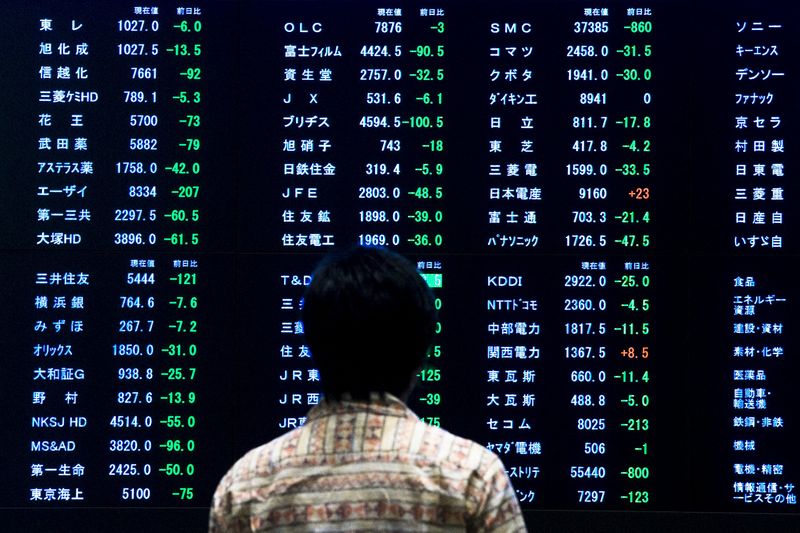
Japan’s Nikkei 225 index strengthened again during Thursday’s trading session (November 26, 2026), rising 0.86% to close at 57,489. This gain helped recover some of the losses from the previous session, buoyed by an improvement in global market sentiment following a late-session rebound on Wall Street. "Bargain hunting"—the act of purchasing stocks at prices deemed attractive—was a primary driver behind the index's rise. Technology stocks led the advance, even as concerns regarding the sustainability of investments in artificial intelligence (AI) continued to loom over the market outlook. This suggests that investor interest in Japan’s technology sector is returning, following a period of volatility in recent sessions.
From a fundamental perspective, the Nikkei’s recovery was driven largely by sharp gains in several technology stocks and companies linked to the semiconductor industry. Kioxia surged 12.6%, while Advantest rose 4.6% and SoftBank Group climbed 7.3%. Lasertec shares also gained 4.2%, followed by a 4.4% increase in Taiyo Yuden. These gains reflect growing investor appetite for companies with exposure to the technology and AI sectors. However, the rally also bears the hallmarks of a rebound following prior selling pressure; therefore, its sustainability will depend on favorable earnings prospects and robust industry demand. Concerns regarding high valuations for AI-related stocks, combined with the potential for a slowdown in technology investments, remain risks that could cap further upside.
Market sentiment in Japan has also been influenced by developments in U.S. trade policy, following Washington’s announcement of plans to impose additional import tariffs on China, the European Union, Japan, and several other major economies. Such policies could increase the costs of international trade and exert pressure on Japanese companies that rely heavily on export markets. The automotive, electronics, and manufacturing sectors need to closely monitor these developments, as changes in tariffs could impact production costs and the global competitiveness of their products. Nevertheless, the latest tariff proposals are considered less severe than initially feared, as it is expected that no new duties will be added on top of the tariffs already implemented in July. Furthermore, since implementation is not anticipated until February or March, businesses have time to adjust their trade strategies and supply chains.
On the other hand, high borrowing costs and uncertainty regarding the outlook for the AI industry continue to temper investor optimism. Technology companies with substantial investment requirements could face pressure if funding costs remain elevated for an extended period. These concerns are particularly pertinent as investors evaluate whether increased spending on AI infrastructure will yield commensurate revenue growth. Even so, a recovery on Wall Street in the previous trading session has bolstered global risk sentiment and helped stimulate buying interest in Japanese stocks. Such market movements indicate that the sector remains in a phase of adjustment, where the growth potential of the technology industry must be weighed against risks related to trade policy, funding costs, and shifting expectations regarding corporate earnings.