
Trending
US Dollar
Source: Newsmaker.id
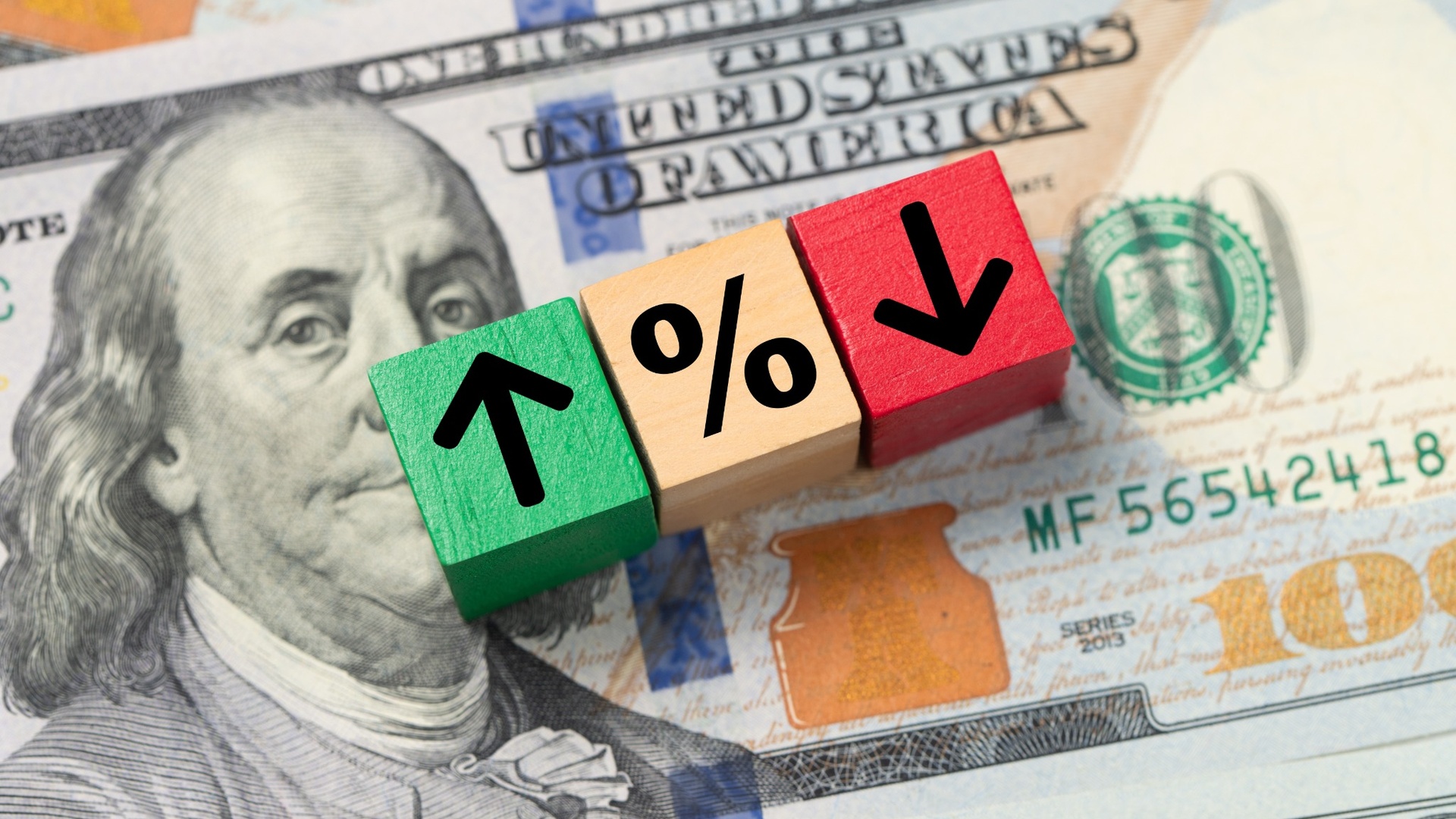
The US Dollar Index held relatively steady around 103.8 during Wednesday’s trading session (November 25, 2026), following an earlier gain. Investors weighed the demand for safe-haven assets amid a global sell-off in technology stocks, while stronger-than-expected US economic data reinforced expectations that the Federal Reserve’s monetary policy will remain tight for a longer period.
Pressure on risk assets intensified as the sell-off in artificial intelligence (AI)-related stocks continued. Investors are once again questioning the sustainability of the investment surge in this sector and the ability of companies to generate commensurate profits. Market sentiment was further weighed down by the Donald Trump administration’s announcement of planned new tariffs targeting 14 of the US’s trading partners.
On the economic front, the latest data indicate that inflationary pressures remain quite robust. The US Core Personal Consumption Expenditures (PCE) price index rose by 3.3% year-on-year, while US economic growth for the third quarter was revised upward to 4.3%. This combination of persistent inflation and solid economic growth bolsters the view that the Federal Reserve has the latitude to maintain high interest rates.
The dollar’s performance varied against major currencies. The EUR/USD pair hovered around 1.096, GBP/USD near 1.31, USD/CHF around 0.839, USD/CAD in the 1.43 range, and AUD/USD near 0.663. The dollar also traded around 159.3 against the Japanese yen. These movements suggest that the greenback remains strong overall, even as "risk-off" sentiment has bolstered the yen—a traditional safe-haven asset.
Expectations of sustained high interest rates remain a primary factor supporting the dollar. The market now assesses that solid inflation and economic growth data may provide the Federal Reserve with the room to keep its restrictive policy in place for longer. These conditions tend to support the dollar, while simultaneously exerting pressure on lower-yielding currencies and risk assets.
Meanwhile, investors remain focused on developments regarding U.S. tariffs on China, the European Union, and various other trading partners. Such policies have the potential to increase inflationary pressure while also disrupting global economic growth. The combination of high inflation, a outlook for tighter interest rates, a sell-off in technology stocks, and trade-related uncertainty serves as the primary set of factors that will determine the direction of the dollar and the foreign exchange market in the coming sessions. (arl)
Source: Newsmaker.id