
Trending
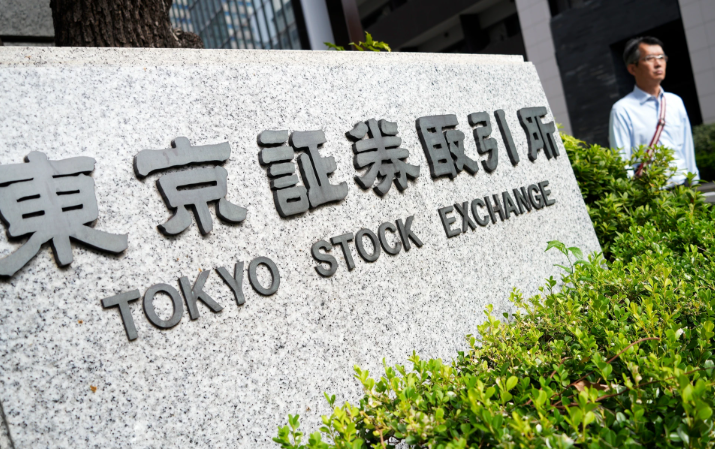
Nikkei
Source: Newasmaker.id
Japan’s Nikkei 225 stock index is projected to strengthen throughout 2027, yet it is expected to struggle to reach an all-time high. Based on a survey of 22 stock market analysts conducted between November 16 and 24, the Nikkei is forecast to reach 65,000 points by June 2027, climbing further to 67,500 points by the end of that year. These projections remain below the record high of 72,831.73 points set in June 2026, as investors begin to re-evaluate the profit potential of massive investments in the artificial intelligence (AI) sector.
The Japanese stock market previously faced sharp pressure amid concerns over potential AI-related regulatory tightening in the United States following the midterm elections. The Nikkei even touched its lowest closing level since mid-April before surging nearly 4% during Tuesday’s trading session (November 24), following the return of Jensen Huang as CEO of Nvidia. This rally in technology stocks helped the Nikkei close at 58,644.63 points, though the index remains approximately 20% below its June peak.
Amid this recovery, investors are beginning to question whether the substantial spending on AI infrastructure will yield commensurate profit growth. Yugo Tsuboi, Chief Strategist at Daiwa Securities, noted that while the medium- to long-term growth prospects for AI remain promising, the market has now entered a phase where investment returns must be proven. Meanwhile, some analysts suggest that the correction in technology stocks reflects a valuation adjustment following an overly rapid ascent, rather than a fundamental shift in the companies' business outlooks. In the long term, the Nikkei is projected to continue its ascent, reaching 69,000 points by mid-2028. However, this potential for further gains remains contingent upon developments in AI regulation in the United States, the earnings performance of technology companies, and the ability of AI investments to generate tangible returns. Market participants are expected to become increasingly selective when allocating capital to tech stocks; consequently, the rally in the Japanese index may unfold more gradually compared to the sharp surge seen earlier this year.