
Trending
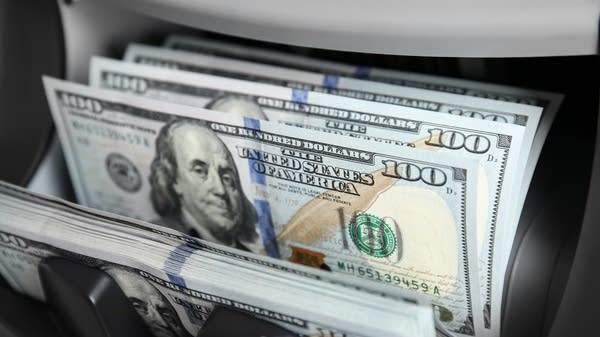
US Dollar
Source: Newasmaker.id
The US Dollar Index (DXY) remained relatively stable near the 103.80 level during Wednesday’s (November 25, 2026) trading session, following a decline in the previous session. This movement reflects investor caution ahead of the release of the Personal Consumption Expenditures (PCE) price index—a key inflation gauge used by the Federal Reserve (the Fed) to inform its monetary policy. While the dollar continues to draw support from expectations of interest rate hikes, market participants are largely holding off on new positions until there is greater clarity regarding US inflation trends. Consequently, the dollar index has seen limited movement, with investor attention focused on critical economic data that could shape the direction of monetary policy in the coming months.
From a fundamental perspective, hawkish remarks from several Fed officials have reinforced the view that the US central bank will likely continue its monetary tightening. Market-implied probabilities suggest a roughly 96% chance of a 25-basis-point interest rate hike at the December meeting, with investors also anticipating the possibility of further tightening in January 2027. Such expectations bolster the dollar, as higher interest rates generally enhance the appeal of USD-denominated assets. At the same time, persistent inflationary pressures—which remain not yet fully under control—raise concerns regarding their impact on consumer purchasing power, business activity, and overall economic growth. As a result, the market will be closely watching the latest PCE report to see whether it strengthens the case for further rate hikes or potentially opens the door for a shift in the Fed’s approach.
Beyond the PCE inflation data, investors are also awaiting the second estimate of US third-quarter Gross Domestic Product (GDP) growth, as well as the weekly jobless claims report, ahead of the Thanksgiving holiday on Thursday. Both indicators will provide insight into the state of economic activity and the resilience of the US labor market. If GDP growth proves stronger than anticipated and jobless claims remain low, the dollar could gain support, as the economy would be seen as resilient enough to withstand high interest rates. Conversely, a slowdown in economic growth, coupled with a rise in jobless claims, could heighten concerns regarding weakening domestic activity. These data points will be key factors for investors as they gauge the Federal Reserve’s next policy moves.
Uncertainty surrounding U.S. trade policy is also influencing global market sentiment. The Donald Trump administration is reportedly seeking to reinstate certain import tariff policies that had previously been struck down by the U.S. Supreme Court. This plan has sparked concerns over potential increases in import costs and inflationary pressures, as well as the broader impact on economic growth and corporate performance. If new tariffs are implemented on a broad scale, the cost of imported goods could rise, complicating the Federal Reserve’s efforts to rein in inflation. At the same time, however, trade-related uncertainty could dampen business activity and investment; consequently, the impact on the dollar is not necessarily unidirectional. Investors are currently weighing the prospect of higher inflation against the risk of an economic slowdown resulting from shifts in trade policy.