
Trending
US Dollar
Source: Newsmaker.id
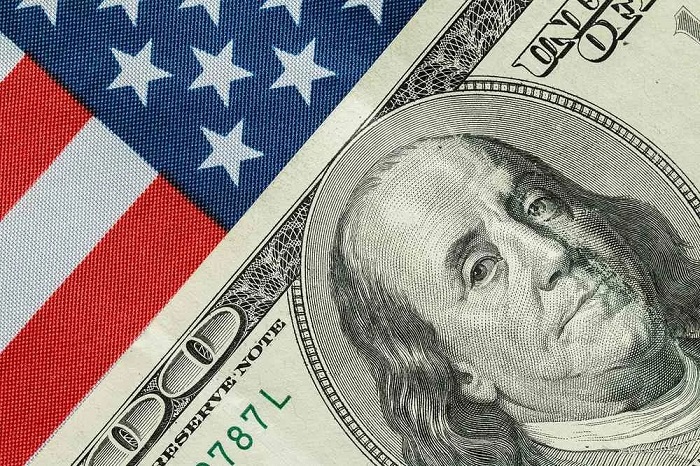
The U.S. Dollar Index (DXY) strengthened again in trading on Tuesday (November 24, 2026), moving above the 104 level following gains in the previous session. This position brings the dollar close to its highest level since March 2025—a peak not seen in approximately 20 months. The strengthening reflects growing investor confidence in the resilience of the U.S. economy, alongside expectations that the Federal Reserve (the Fed) will maintain a tight monetary policy. Renewed optimism regarding the artificial intelligence (AI) sector has further bolstered market sentiment, even as investors await critical inflation data that could shape the interest rate outlook for the coming months.
Positive developments in the technology sector have supported market sentiment, following reports that Nvidia’s board of directors unanimously decided to reinstate Jensen Huang as Chief Executive Officer (CEO). This decision was reached after consultations with U.S. government officials, who concluded that Huang’s return posed no threat to national security. The news helped alleviate investor concerns regarding the outlook for technology firms and restored optimism for growth within the AI industry. This positive sentiment reinforces the view that U.S. economic activity remains resilient—a factor that could provide the Fed with the latitude to keep interest rates high.
Regarding monetary policy, the market anticipates that the Federal Reserve will raise interest rates by 25 basis points at its December meeting. Reports indicate a roughly 95% probability for such an increase, with the remaining possibility pointing toward a more aggressive 50-basis-point hike. Investors are also beginning to factor in further rate increases for January 2027, though the outlook for tightening beyond that period remains uncertain. These expectations serve as a primary pillar of support for the dollar, as higher interest rates generally enhance the appeal of dollar-denominated financial assets. However, the future direction of policy will remain contingent upon developments in U.S. inflation, economic growth, and labor market conditions.
Investor attention is currently focused on the release of U.S. inflation data scheduled for this week. This report will serve as a key indicator in determining whether price pressures remain strong enough to warrant further interest rate hikes. Should inflation figures exceed expectations, the outlook for monetary tightening could intensify, providing further support for the U.S. dollar. Conversely, if inflation slows, the market may begin to consider the possibility that the Federal Reserve will not need to raise interest rates as aggressively as previously anticipated. Such a shift in expectations could also impact bond markets, major global currencies, and gold prices—the latter being particularly sensitive to movements in the dollar and Treasury yields.
The strengthening of the dollar index (DXY) above the 104 level indicates that a bullish sentiment continues to dominate the foreign exchange market, driven primarily by expectations of Fed monetary tightening and optimism regarding the resilience of the U.S. economy. From a fundamental perspective, the prospect of interest rate hikes in December and January remains a primary factor sustaining the dollar's appeal, with upcoming U.S. inflation data set to act as a crucial catalyst for its future trajectory. Technically, the 104 level serves as a psychological support that needs to hold, while the 104.50–105 range acts as an indicative resistance level should the upward momentum persist. If the DXY manages to remain above 104 and inflation prints higher than expected, the potential for a move toward 104.50 increases. Conversely, if inflation data comes in weaker and expectations for interest rate hikes diminish, the dollar could undergo a correction toward 103.50. In summary, the short-term outlook for the U.S. dollar remains broadly bullish, with inflation data and shifts in expectations regarding Fed policy serving as the primary determinants for any continued appreciation.